

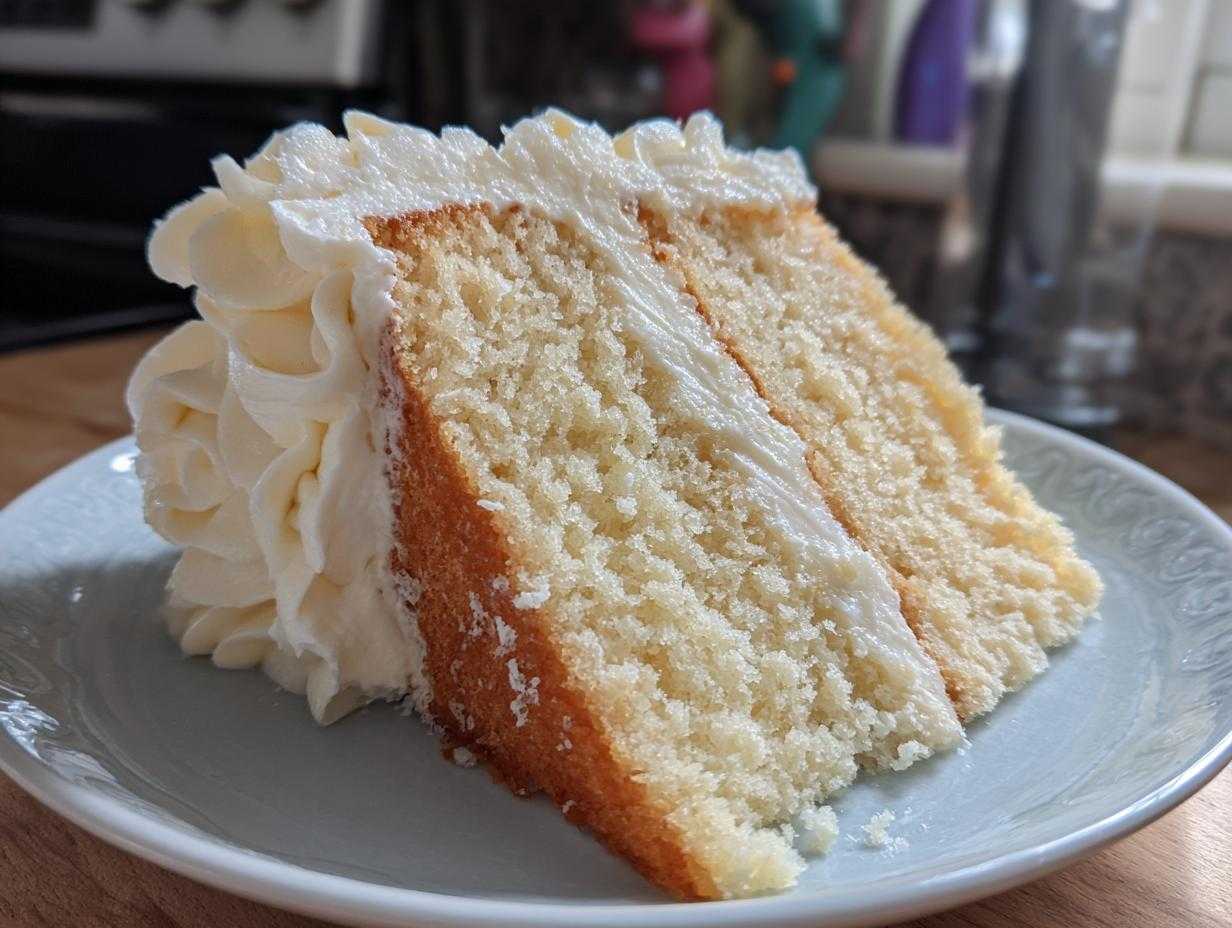
Oh, the quest for the *perfect* vanilla cake! You know, the kind that’s so soft and fluffy it practically melts before you even chew? I spent years chasing that airy, moist crumb texture, especially when it needed to stand up to chunky layers of frosting for birthdays. I’ll tell you, I almost gave up after that one time my supposed ‘fluffy’ cake turned out denser than a brick! But honestly, after testing nearly every trick out there, I finally landed on this one. This is truly my ultimate, foolproof **vanilla cake recipe**.
It’s not fussy, it’s just right, and the first time I served a slice from this version, my sister actually asked where I bought it from. That was the moment I knew I’d cracked the code! Trust me, once you nail this simple technique, you won’t look back at any other recipe for your special occasions.
Why This is the Best Vanilla Cake Recipe for Layer Cakes
If you’re trying to build a towering birthday masterpiece, you need a sturdy but tender cake. This is hands-down the **Best Vanilla Cake Recipe** for layering because it holds its shape beautifully. The secret weapon that gives it that glorious structure *and* keeps it moist? Sour cream!
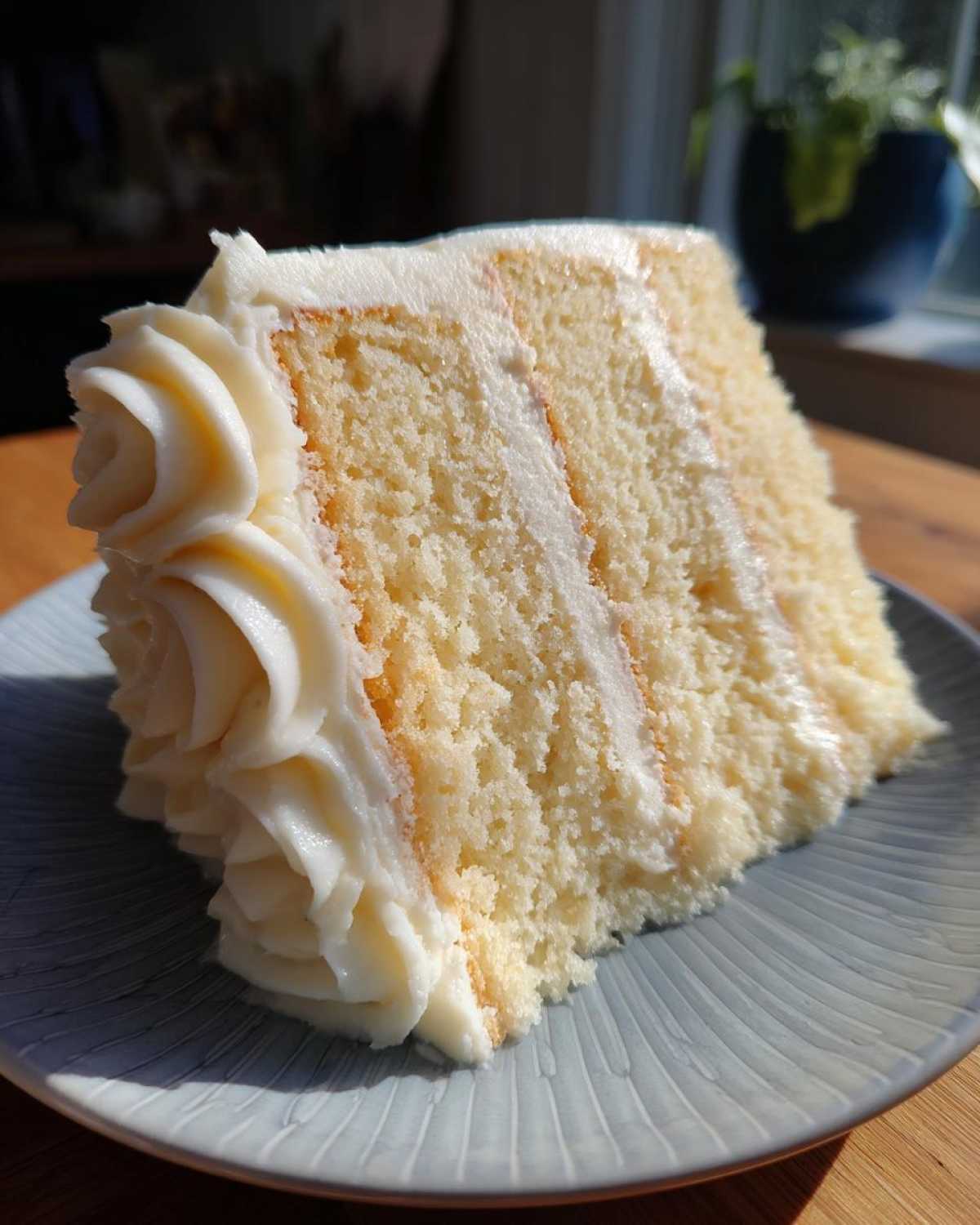
Don’t skip that! The slight acidity in the sour cream reacts with the baking powder to create unbeatable lift, giving you that super soft crumb that competitors just can’t match. It’s the main reason this cake doesn’t dry out after 24 hours. You can even check out my favorite pairing for it here: creamy vanilla buttercream frosting.
Achieving a Fluffy Vanilla Cake From Scratch Texture
Fluffiness comes down to air, plain and simple. Before you add anything else, you have to cream the soft butter and sugar until it’s genuinely light and pale—think whipped sunshine! This step beats tiny air pockets right into the fat. Those pockets are what the baking powder grabs onto later.
My biggest pro tip for an authentically fluffy result is this: once the flour goes in, stop your mixer every few seconds. You want to mix until *just* combined. Overmixing is the enemy of fluff; it develops gluten and turns your soft sponge into shortbread!
Ingredients for the Perfect Moist Vanilla Layer Cake
Getting the ingredients ready is half the battle, and I always lay everything out first. This makes the whole mixing process faster and way less stressful! For this **vanilla cake recipe**, we need two separate ingredient piles: one for the actual cake batter and one for the dreamy buttercream we’re going to slather all over it.
Don’t cheat on the temperature here, folks! I cannot stress this enough: your butter, eggs, and milk absolutely *must* be room temperature. If they’re cold, they won’t emulsify properly with the creamed butter, and you end up with curdled batter. Curdled batter makes a denser cake, and we are aiming for cloud-like fluffiness here!
- For the Cake Layers: 1 3/4 cups all-purpose flour, 1 1/2 cups granulated sugar, 1 tablespoon baking powder, 1/2 teaspoon salt, 1/2 cup unsalted butter (softened, please!), 2 large eggs (room temperature!), 1 teaspoon vanilla extract, 1 cup whole milk, and 1/2 cup sour cream.
- For the Buttercream Frosting: 1 cup powdered sugar, 1/2 cup unsalted butter (softened), 1 teaspoon vanilla extract, and 1–2 tablespoons milk for thinning.
Ingredient Notes and Substitutions for Your Vanilla Cake Recipe
Every ingredient plays a specific part in making this cake the best. Stick to all-purpose flour; it gives us that perfect balance of structure and tenderness that we need for a layer cake.
Since vanilla is the star, use the best extract you can afford. If you want a bright white cake—maybe for a pure white **Classic Birthday Cake Recipe**—swap your standard brown vanilla extract for clear vanilla. It tastes basically the same, but keeps that beautiful pale color intact! You cannot substitute the sour cream in the cake batter; it’s vital for the incredible moisture it contributes. It works slightly differently than buttermilk, lending a richer mouthfeel.
For the fat, we stick strictly to unsalted butter. It lets you control the salt level yourself, which is important for frosting consistency!
How to Prepare Your Easy Vanilla Cake Recipe Step-by-Step
Okay, this is where the magic happens! Even though this turns out to be the most delicious cake you’ve ever made, I promise this is an **Easy Vanilla Cake Recipe** to follow. We start by getting organized. Preheat your oven to 350°F (175°C) right away, and don’t forget to grease and flour those two 8-inch round pans. If you need a serious shortcut for prepping pans for future recipes, you can check out how I make my foolproof baking grease here: easy homemade classic lasagna recipe (don’t worry, it’s for pans, not dinner!).
First, mix all your dry ingredients—the flour, sugar, baking powder, and salt—in a big mixing bowl. Then, drop in the softened butter, the room-temperature eggs, and that pure vanilla extract. Mix that on low speed just until it all comes together. It’ll look shaggy, and that’s fine! In a separate little bowl, whisk your milk and sour cream until they’re happy together. Now, here comes the key part for making sure this cake turns out soft!
Baking and Cooling the Soft Vanilla Sponge Cake Layers
We are going to alternate adding the wet mixture (milk/sour cream) and the remaining batter. Start by adding about half the wet mixture to your main bowl, mix just until barely incorporated, scrape down the sides, and then add the rest of the wet, mixing until you almost see no streaks. You can check for doneness around the 30 to 35-minute mark. Stick a thin wooden toothpick right into the center; if it comes out clean or with just a few moist crumbs clinging to it, you’re done! Pull them out immediately.
Don’t rush the cooling! Let those lovely cake layers relax in the pans for exactly 10 minutes. After that, gently invert them onto a wire cooling rack. They need to be completely, totally cool before frosting, or you’ll end up with a sad, melty puddle, and we just went through too much work for that!
Making the Homemade Vanilla Buttercream Frosting
While the cake cools down, let’s whip up that gorgeous frosting! Grab your softened butter and beat it until it looks creamy and pale all by itself—don’t rush this initial creaming stage. Once it’s fluffy, start adding your powdered sugar bit by bit. If you dump it all in at once, you’ll be wearing your frosting, trust me. Add in the vanilla extract next.
Now, for the consistency. We want it spreadable, not stiff! Add the milk one tablespoon at a time, beating well after each addition, until you reach that perfect, smooth frosting texture that’s ready to hug those vanilla layers tight.
Assembling Your Classic Birthday Cake Recipe
This is the fun part—turning those beautiful baked rounds into the show-stopping **Classic Birthday Cake Recipe** you imagined! Before you even think about touching that creamy buttercream, you must make sure those vanilla layers are stone cold. If you frost a slightly warm cake, even if you can’t feel the heat, the butter in your frosting will soften just enough, and you’ll end up scraping frosting off the counter later. Been there!
My favorite trick for making this look bakery-worthy, even though we’re making it at home, is called the crumb coat. It sounds fancy, but it’s just a super thin layer of frosting spread all over the outside of the stacked cake. This layer traps all those tiny, annoying vanilla cake crumbs. Chill the cake for about 15 minutes after you apply this thin coat.
Once that thin layer is firm, you can go in with your generous second layer of frosting. It will go on perfectly smooth—seriously, it’s like cheating! You can use a bench scraper or offset spatula to get those clean sides everyone admires. If you want to check out how I make my quick-setting cookie icing for fun decorative swirls on top, I use this trick here: cookie icing recipe dries firm. It looks amazing piped around the base!
Tips for Success with This Perfect Vanilla Cake Recipe
I want everyone who tries this to have the exact same amazing results I do, so let’s talk about making this **Perfect Vanilla Cake Recipe** absolutely foolproof. The single biggest thing you can do is pay attention to ingredient temperature—I mentioned it before, but seriously, room temperature eggs, milk, and butter are non-negotiable.
If you forget to pull your ingredients out early, just place the eggs in a bowl of warm (not hot!) water for about 10 minutes. That quick warm-up does wonders for that crucial creaming step!
Also, don’t underestimate the power of good vanilla. Since this is a pure vanilla cake, the extract shines through. If you can, add those scraped seeds from half a vanilla bean right into the wet ingredients—it gives it an incredible complexity that you just can’t buy in a bottle.
Do you need to make this ahead? Yes, you totally can! You can bake the cake layers a full day in advance. Just let them cool completely, wrap them *tightly* in plastic wrap, and leave them right on the counter. They stay wonderfully moist overnight, ready for frosting the next day!
Variations on the Classic Moist Vanilla Layer Cake
Part of the joy of having a solid, reliable base recipe like this **vanilla cake recipe** is being able to spice it up a little bit for different holidays or just because you’re bored with plain vanilla! I love making little tweaks that change the whole mood of the cake without risking the texture.
My absolute favorite easy variation is adding citrus zest. Did you know that zesting a fresh lemon or an orange right into the dry ingredients—before you add the butter—releases intense oils that completely transform the cake? The sour cream already gives it a slight tang, but the zest just brightens everything up beautifully. It’s amazing for spring parties!
If you want a deeper, almost wedding-cake kind of flavor, try swapping out about a teaspoon of that beautiful vanilla extract for pure almond extract. You don’t need much, as almond is powerful, but that little nutty undertone pairs incredibly well with the creamy frosting.
Need a sheet cake instead of rounds? No problem! If you’re pouring this batter into a standard 9×13 inch pan, you’ll need to reduce your baking time slightly—maybe start checking around 25 minutes. Because the batter is spread thinner, it cooks faster, so keep a close eye on it! If you need inspiration for citrus baking inspiration, check out how delightful these flavor profiles are in my cranberry orange muffins with streusel.
You can even play around with the flour mixture; though I recommend staying with all-purpose, adding just two tablespoons of cake flour to the mix can make your crumb feel even silkier for a truly decadent texture.
Serving Suggestions for Your Vanilla Cake Recipe
While my rich, homemade vanilla buttercream is truly the king of toppings for this **vanilla cake recipe**, sometimes you need something a little lighter, especially if you’re serving this after a huge meal. Don’t feel like you always have to smother it in frosting! This soft vanilla sponge cake is elegant enough to shine on its own.
For a beautiful summer dessert, try skipping the heavy buttercream entirely and just dust the completely cooled layers with a blanket of powdered sugar. It lets the pure, soft vanilla flavor really come through. If you slice the still-warm cake (I know, it’s tempting!), serve it with a scoop of good quality vanilla bean ice cream. You can’t go wrong with perfection layered!
If you’re looking to pair this with something fruity, fresh berries are unbeatable. Think sliced strawberries macerated with just a tiny splash of sugar, or maybe some tart raspberries. They cut through the sweetness of the cake just right. If you’re feeling wild and want a smoothie alongside your slice for breakfast the next day (hey, no judging!), you have to try my homemade mango lassi yogurt smoothie; the tartness matches up surprisingly well!
Honestly, any accompaniment just highlights how good this base cake is. It’s the perfect canvas for whatever flavor adventure you’re on!
Storage and Make Ahead Vanilla Cake Instructions
One of the best parts about having a reliable **vanilla cake recipe** in your back pocket is the ability to actually **make ahead vanilla cake** layers! I really don’t like baking on the morning of a big party, so knowing I can get the hard work done ahead of time is a lifesaver.
If you’ve baked your layers but haven’t frosted them yet, let them cool completely—and I mean *completely*—on the rack first. Once cool, wrap each layer tightly first in plastic wrap, and then maybe a layer of aluminum foil around that. The double wrap keeps any fridge odors out and locks in all that beautiful moisture we worked so hard to create! These wrapped layers can hang out on your counter at room temperature for up to two days, or you can stash them in the fridge for about a week.
If the cake is already frosted and assembled, you have a couple of options. For short-term storage (1–2 days), just cover it loosely with a cake dome or an overturned large bowl. If you need to keep it longer than that, you’ll want to chill it in the fridge—but make sure it’s sealed enough so the frosting doesn’t dry out. A cake carrier works perfectly here!
Now, about reheating: honestly, this cake is best served at room temperature, especially when it has buttercream. Cold cake tightens up the crumb, and the butter in the frosting gets too hard. If you’ve stored it in the fridge, just remember to pull your frosted creation out onto the counter at least two hours before you plan to serve it. That gives the cake time to relax and bloom back into its soft, fluffy self!
Frequently Asked Questions About This Vanilla Cake Recipe
I get so many questions about baking this cake, especially when people are trying to master a **vanilla cake recipe** for the first time. It’s totally normal to have a few hiccups, but knowing the solutions ahead of time makes all the difference toward getting that **Perfect Vanilla Cake Recipe** result! Here are the things I get asked about most often.
Troubleshooting Common Vanilla Cake Issues
The biggest fears people have are dryness or a sunken middle, right? If your cake somehow turned out dry, you probably either overbaked it (always trust the toothpick test!) or you didn’t use room temperature or above ingredients, which prevents proper emulsification. Fix it next time by double-checking your temperatures!
If your **Fluffy Vanilla Cake From Scratch** sinks in the center, that’s nearly always caused by opening the oven door too early before the cake structure has fully set. The rush of cold air causes a collapse. Wait at least 25 minutes before even peeking, and make sure your baking powder isn’t expired—old leavening agents just can’t hold up the structure!
Can I use oil instead of butter in this recipe?
Oh, I wouldn’t recommend it for this one, sweetie! Butter is essential here. We rely on creaming the softened butter with the sugar to create thousands of tiny air pockets that make the cake light. Oil might make it somewhat moist, but you lose all that fluffy structure, and it won’t taste nearly as rich. We want that classic flavor!
How long does this cake last at room temperature?
Because we used sour cream, this cake stays surprisingly fresh! If it’s fully frosted, it should be fine covered on the counter for about 3 days. If it’s unfrosted, you can probably stretch that to 4 days, but the texture is always best on day one or two. If you need to keep it longer (like for a **Make Ahead Vanilla Cake** plan), stick it in the fridge, but remember to bring it back to room temp before serving!
Is this recipe easy to double for a bigger crowd?
Absolutely! This **Easy Vanilla Cake Recipe** scales up perfectly. Just double all the ingredients and plan on getting a slightly larger oven time or using three 8-inch pans instead of two. If you use three pans, watch them closely—they might only need 25–30 minutes to bake through!
If you’re looking for other creamy desserts instead of cake for a smaller gathering, you might enjoy my recipe for easy creamy homemade chocolate pudding!
Print
Classic Moist Vanilla Layer Cake with Buttercream Frosting
- Total Time: 55 min
- Yield: 12 servings 1x
- Diet: Vegetarian
Description
This recipe yields a soft, fluffy, and moist vanilla layer cake perfect for birthdays and special occasions, paired with a simple vanilla buttercream.
Ingredients
- 1 3/4 cups all-purpose flour
- 1 1/2 cups granulated sugar
- 1 tablespoon baking powder
- 1/2 teaspoon salt
- 1/2 cup unsalted butter, softened
- 2 large eggs, room temperature
- 1 teaspoon vanilla extract
- 1 cup whole milk
- 1/2 cup sour cream
- 1 cup powdered sugar, for frosting
- 1/2 cup unsalted butter, softened, for frosting
- 1 teaspoon vanilla extract, for frosting
- 1–2 tablespoons milk, for frosting
Instructions
- Preheat your oven to 350°F (175°C). Grease and flour two 8-inch round cake pans.
- In a large bowl, whisk together the flour, sugar, baking powder, and salt.
- Add the softened butter, eggs, and vanilla extract to the dry ingredients. Beat with an electric mixer on low speed until just combined.
- In a separate bowl, whisk together the whole milk and sour cream.
- Gradually add the wet mixture to the dry mixture, alternating with the milk/sour cream mixture, beginning and ending with the wet. Mix until just smooth. Do not overmix.
- Divide the batter evenly between the prepared pans.
- Bake for 30 to 35 minutes, or until a toothpick inserted into the center comes out clean.
- Let the cakes cool in the pans for 10 minutes before inverting them onto a wire rack to cool completely.
- To make the frosting, beat the softened butter until creamy. Gradually add the powdered sugar and vanilla extract. Add milk one tablespoon at a time until you reach a smooth, spreadable consistency.
- Once cakes are completely cool, frost and stack the layers.
Notes
- Use room temperature eggs and milk for the best cake texture.
- For extra vanilla flavor, use clear vanilla extract or add a vanilla bean scraping to the batter.
- You can make the cake layers one day ahead and wrap them tightly before storing at room temperature.
- Prep Time: 20 min
- Cook Time: 35 min
- Category: Dessert
- Method: Baking
- Cuisine: American
Nutrition
- Serving Size: 1 slice
- Calories: 380
- Sugar: 45g
- Sodium: 250mg
- Fat: 19g
- Saturated Fat: 11g
- Unsaturated Fat: 8g
- Trans Fat: 0.5g
- Carbohydrates: 50g
- Fiber: 1g
- Protein: 5g
- Cholesterol: 75mg