
You know that moment? You’ve steamed your wontons perfectly, or maybe you just pulled the crispiest potstickers out of the pan—and then you realize your dipping sauce is just… sad. A little bit of plain soy sauce staring back at you. No thank you! That’s where we used to be before I became Liam’s muse to sprinkle some actual flavor joy into our food.
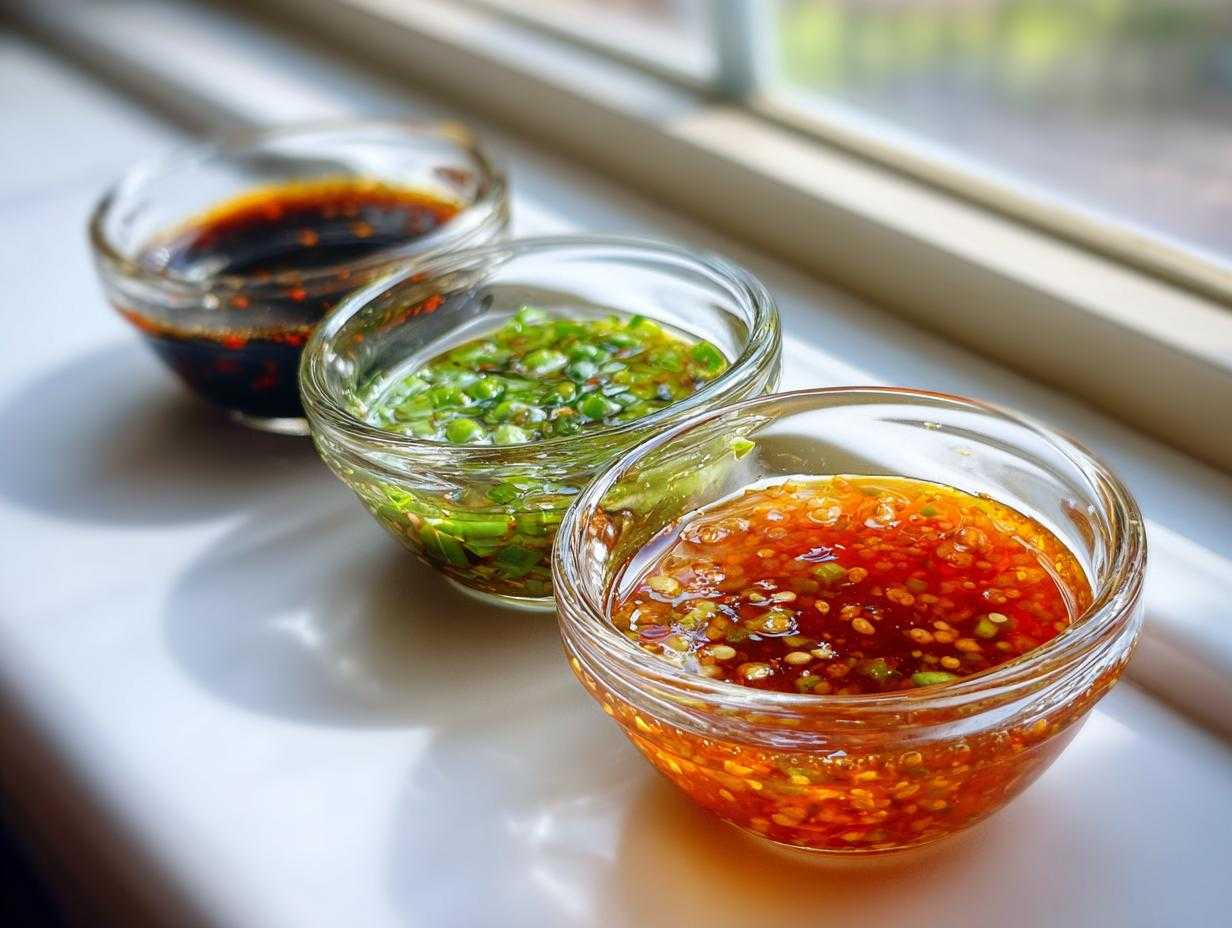
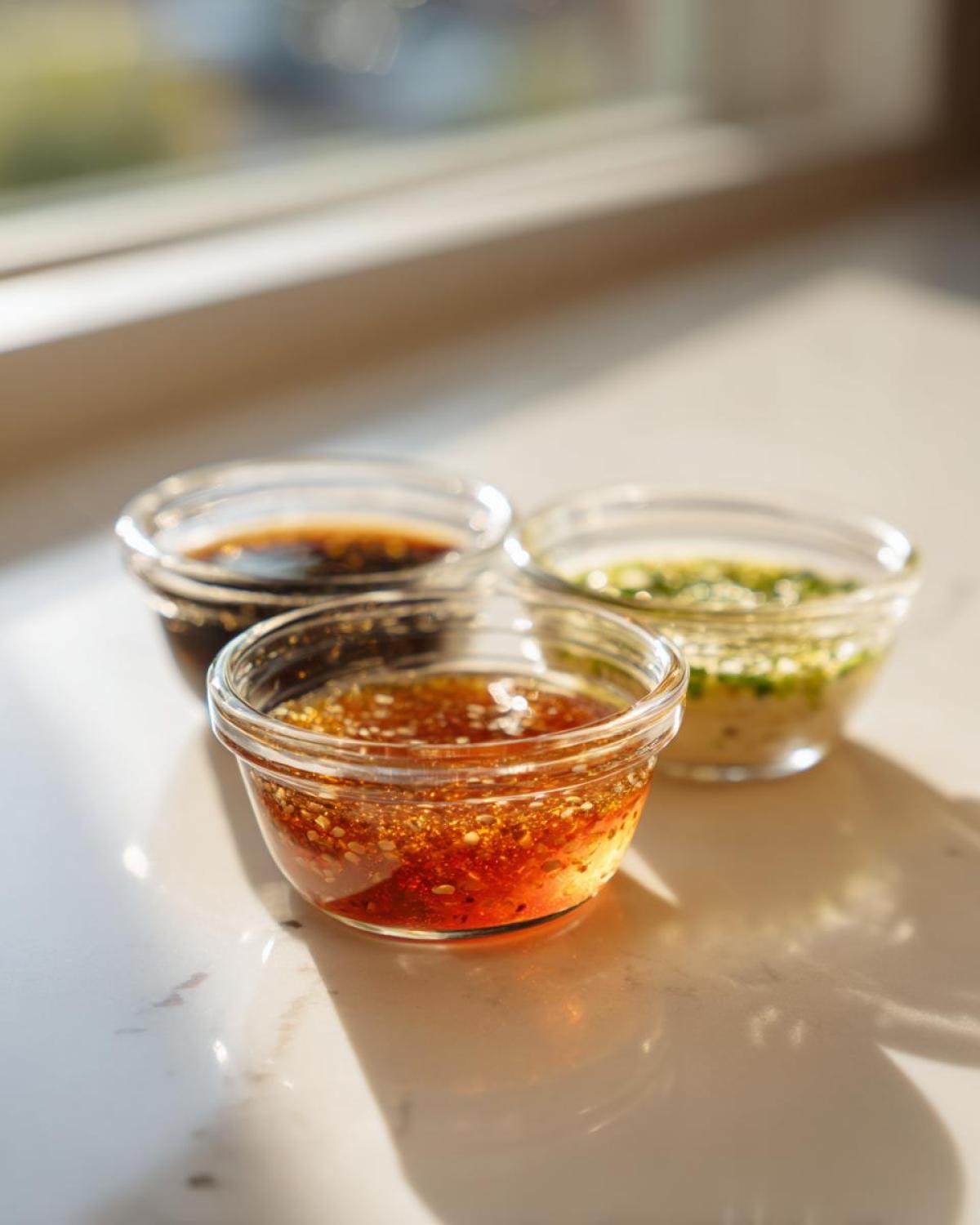
Liam used to be so focused on the technical side of making things, but I convinced him our appetizers deserved some soul too! Mastering the perfect Dumpling Sauce isn’t about complicated cooking; it’s about balance. That’s Liam’s specialty now—creating flavor bombs that hit all the right spots. Forget searching for one single recipe; today we’re making the ultimate trio: a classic savory dip, a bright, punchy Ginger Scallion Sauce for Dumplings, and a snappy sweet and sour option. Trust me, your dumplings will thank you.
Why This Trio of Dumpling Sauce Recipes Works
I know what you’re thinking: why do I need three different sauces for something you eat in two bites? That’s the joy of it! This trio is designed to prove that quick dipping sauces can actually be exciting. Liam says these recipes are all about giving you options for every mood.
- Instant Gratification: Seriously, we’re talking less than ten minutes total. Popping them together means no waiting around!
- Flavor Variety: You get savory, punchy aromatherapy, and then that bright sweet/tangy hit. It covers all the bases for any flavorful dumpling condiments you could want.
- Total Customization: Every single one of these sauces is built on a balance point, meaning you can easily adjust the heat or sourness right before serving.
Essential Potsticker Sauce Ingredients Checklist
Before we jump into the actual mixing, let’s talk ingredients. Great potsticker sauce ingredients don’t need to be complicated, but the *type* of ingredient matters hugely! Liam insists that to get that deep, savory hit in our classic dip, you absolutely have to use Chinese black vinegar, like Chinkiang. It’s not as sharp as plain distilled vinegar; it brings this incredible malty, almost balsamic depth. Don’t skip it if you’re going for authentic flavor!
When you see sesame oil on my list, make sure it’s TOASTED sesame oil. Raw oil has hardly any flavor. If you’re using store-bought, make sure the soy sauce is low sodium so we can control the saltiness ourselves. These small details are our little Chinese Dumpling Sauce secrets that make the difference between good and truly addictive.
Ingredient Notes and Gluten Free Dumpling Sauce Alternatives
We always aim to include everyone at the table! If you or a guest needs a Gluten Free Dumpling Sauce Alternative, just swap out the regular soy sauce for tamari or coconut aminos. They bring the necessary umami without the wheat, and honestly, the flavor is fantastic.
How to Make Dumpling Sauce: Three Distinct Methods
Okay, this is the fun part! Making a great Dumpling Sauce is mostly just assembly, which means it satisfies my need for speed and Liam’s need for flavor precision. These three recipes are our go-to trio for any dumpling night, whether we’re digging into simple potstickers or delicate wontons. You’ll be amazed how quickly you whip these up!
Recipe 1: The Best Dumpling Dipping Sauce (Classic Savory)
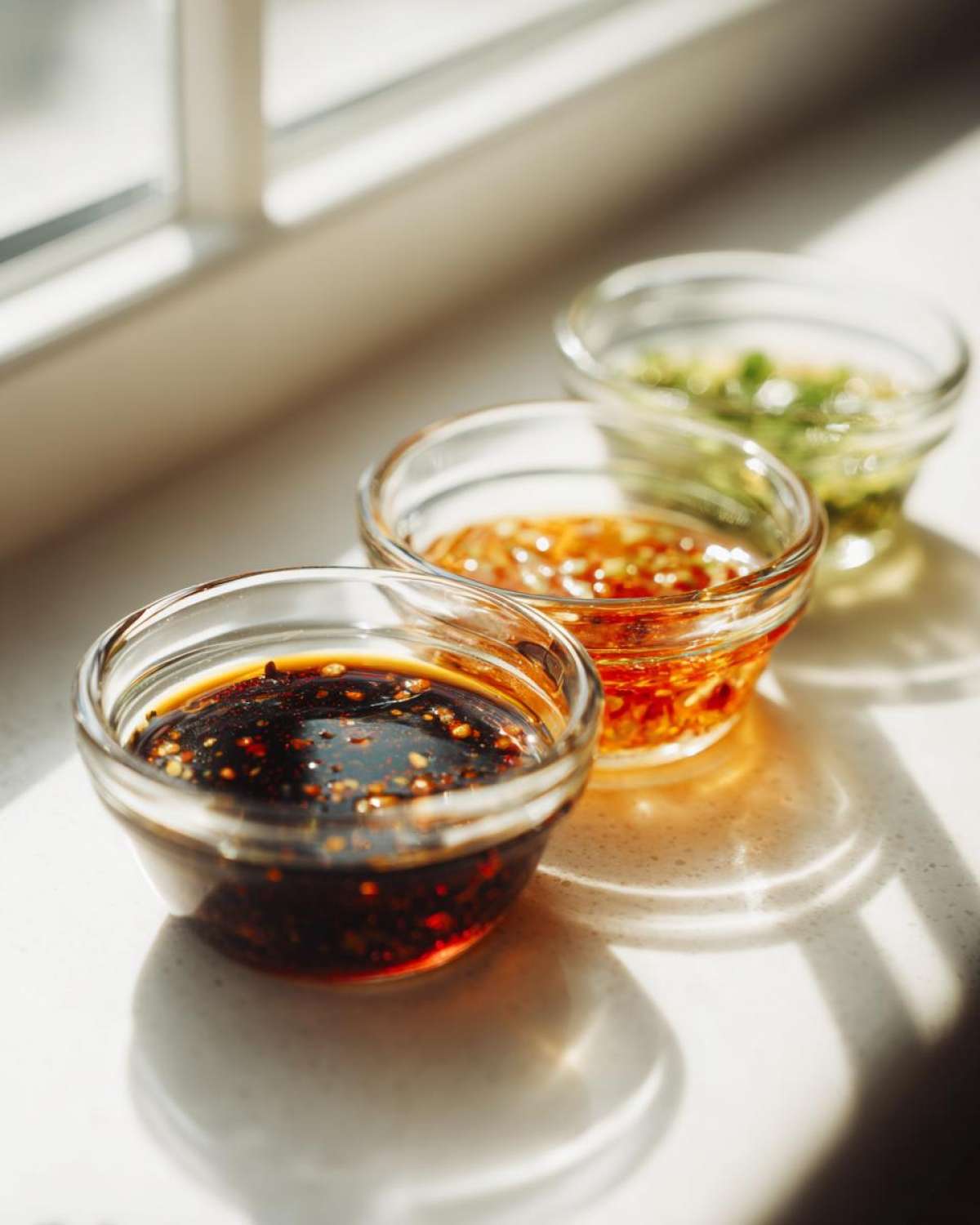
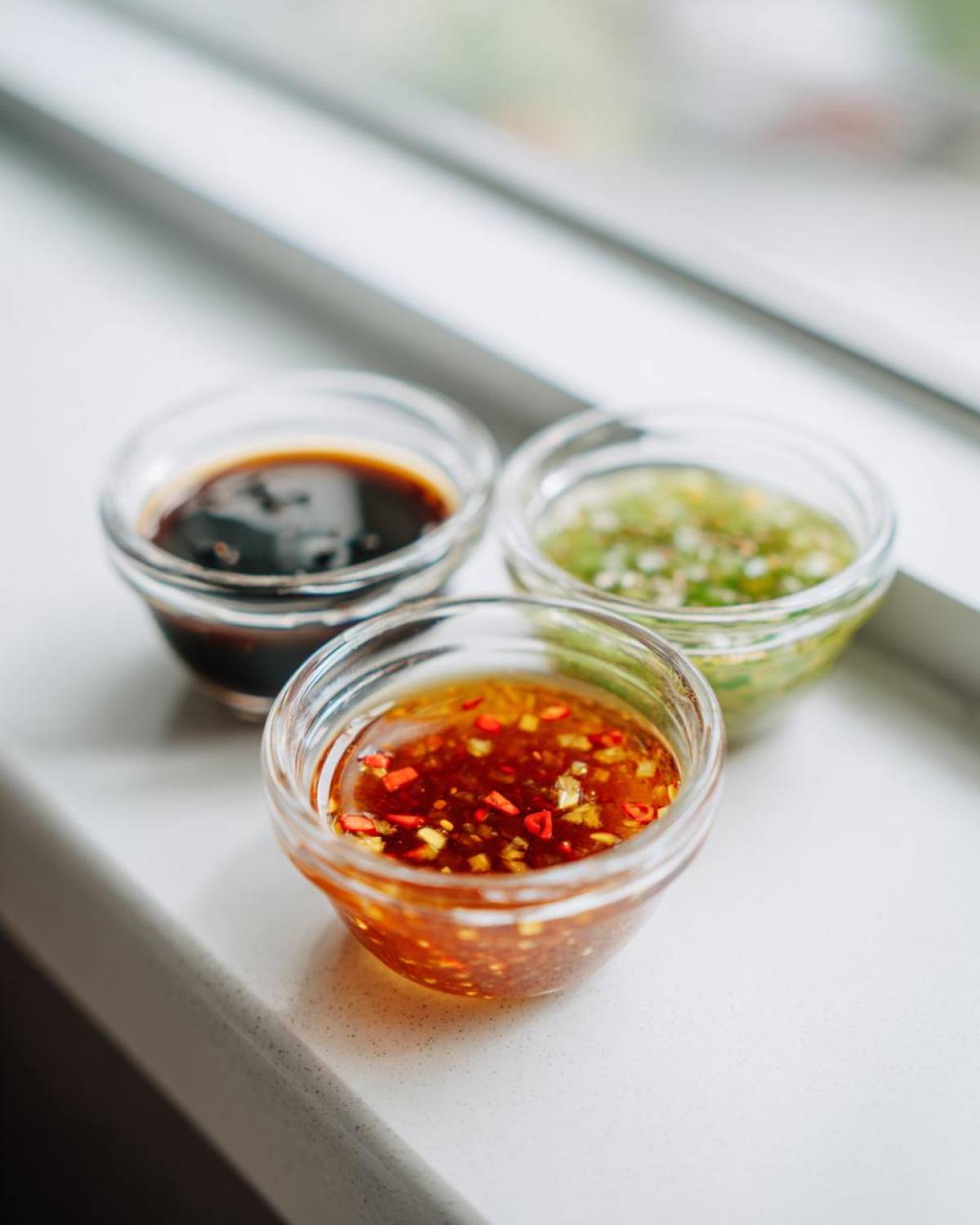
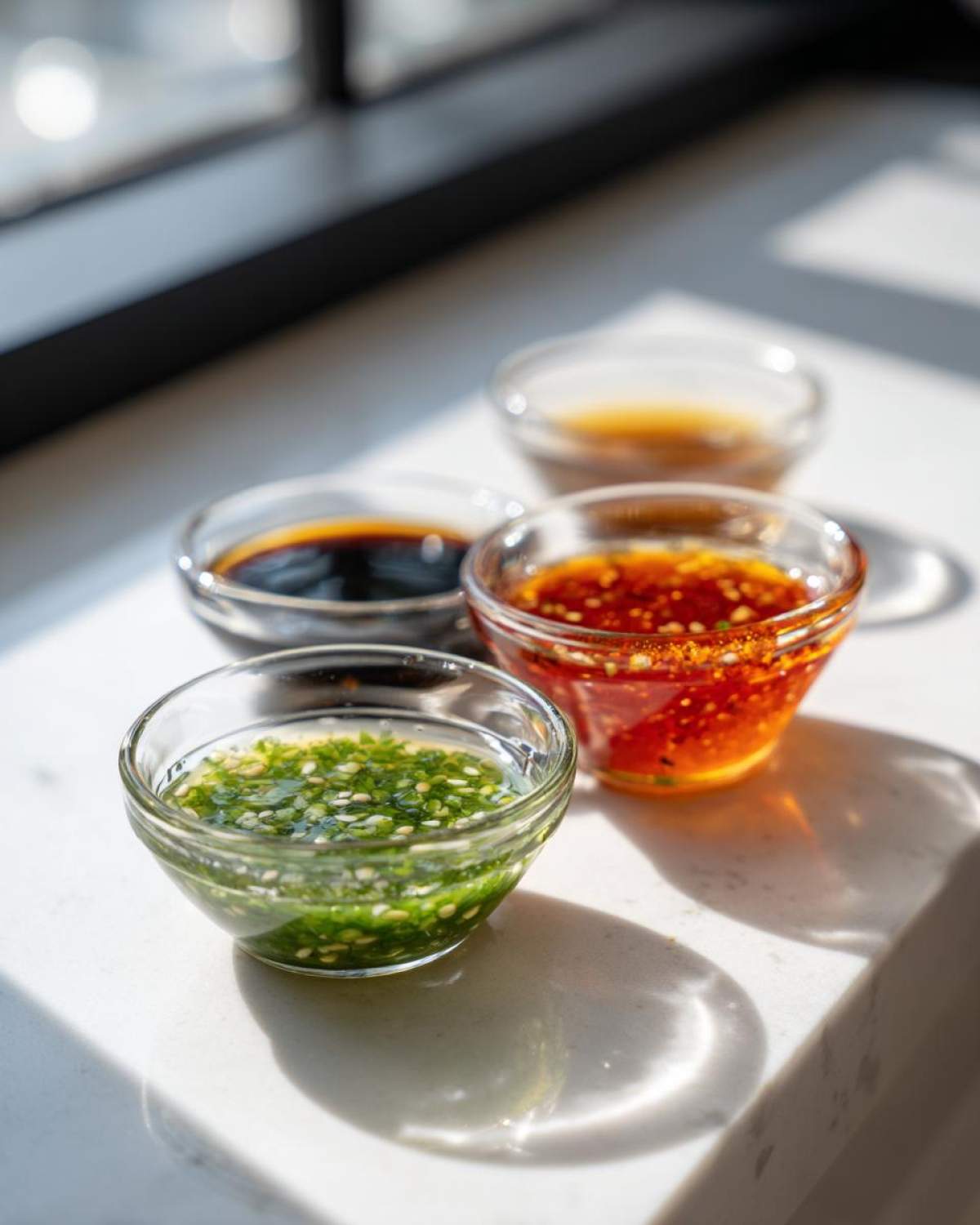
This is your bedrock—the stuff you need when you want that pure, savory hit from your potstickers. Just grab a little bowl. We put the soy sauce, the Chinkiang vinegar we talked about, the sesame oil, the sugar, and the chili garlic sauce right in there. Whisk it until you physically can’t see any sugar granules anymore. Liam always tells me to taste it right here. If it feels too salty, add a couple of drops of water. If it needs more punch, a splash more vinegar—that’s how you own the flavor profile of your Dumpling Sauce!
Recipe 2: Ginger Scallion Sauce for Dumplings (Umami Bomb Dipping Sauce)
Oh, this one is pure aromatherapy! You are aiming for that loud, glorious sizzle. In a little bowl, just mix your finely minced fresh ginger and those chopped scallions. Now, this is the crucial safety step: heat up your neutral oil until it is genuinely shimmering hot—you don’t want it smoking, but it needs to be ready to pop! Carefully, and I mean *carefully*, pour that sizzling oil directly over the ginger and scallions. It will crackle like firecrackers, and that sound means you’ve just created an incredible Umami Bomb Dipping Sauce. Stir it up, and watch the flavors bloom.
Recipe 3: Sweet and Sour Dumpling Dip Preparation
This is the only one that actually requires heat, but it’s so fast, I barely count it as cooking! For this Sweet and Sour Dumpling Dip, first make your slurry: whisk the rice vinegar, water, and cornstarch together until it’s perfectly smooth—no lumps allowed! Pour that into a tiny saucepan over medium heat. Stir constantly, almost like you are making pudding. The moment it thickens just a bit and loses that chalky look—about 60 seconds—rip it off the heat! It will thicken more as it cools.
Final Flavor Adjustment for Your Dumpling Sauce
This is where you play conductor! Once you have all three sauces made, give each one a quick final taste check. If your savory dip is calling for complexity, maybe add a tiny drop more vinegar. If the sweet and sour dip is too sharp, stir in just a whisper more sugar or water. Remember, the best flavor means adjusting the acid, heat, and sweetness until *you* say it’s done. Go wild!
Tips for Success When Crafting the Perfect Dumpling Sauce
Honestly, once you have the basic formulas down, the real magic happens in the small tweaks. Liam always laughs because I treat the ingredients like paint colors, always adding a little more of one shade or another. These aren’t secrets written in stone, but they are the little habits that make our dips taste professional.
First, please use fresh ginger, not the dried powder! For the Ginger Scallion sauce, the fresh stuff absolutely must be finely minced so it can release its gorgeous, sharp aroma when you pour that hot oil over it. Also, don’t be shy with garnishes. A few extra chopped scallions sprinkled over the top just before serving turns a simple mix into a presentation. These are core Chinese Dumpling Sauce secrets that lift everything.
My third quick tip is about consistency. If you’re making the savory dip and you’re using a rich, thick black vinegar, the sauce might end up too heavy. If that happens, just add a tiny splash of warm water. It thins it out just enough so it coats the dumpling wrapper without immediately running off the plate. Easy peasy!
Serving Suggestions for Your Flavorful Dumpling Sauce
Don’t let these amazing sauces live a one-hit-wonder life just for your potstickers! They are truly versatile, and I always have extra whipping around for what’s next on the table. If you’ve got leftovers, use them!
That Classic Savory Dip? It’s fantastic drizzled over steamed asparagus or tossed lightly with some quick ramen noodles. And that Ginger Scallion Sauce is just sinful spooned over scrambled eggs—Liam actually begs me to make it sometimes when we have breakfast! These are some of our favorite go-to dipping sauces for Asian appetizers, so feel free to break them out for spring rolls, crispy tofu, or even those leftover chicken nuggets you’re feeling guilty about eating!
Storage and Reheating Instructions for Homemade Dumpling Sauce
So you’ve made too much! Don’t panic about leftovers; that’s just good planning in our book. Since we made three different types of Dumpling Sauce today, they need slightly different homes. The Classic Savory Dip is pretty hardy. Pop it in an airtight container; it’s good in the fridge for about a week—maybe longer, but we’ve never managed to keep it that long!
The Ginger Scallion Sauce, which is mostly oil and aromatics, lasts the longest, usually a week and a half totally fine sealed up tight. Just give it a stir before serving because the oil might solidify a bit in the cold.
Now, the Sweet and Sour one? Since that one cooks down with cornstarch, it’s best eaten within three or four days. If you notice it’s gotten super thick upon reheating, just whisk in a tiny splash of warm water to loosen it up. See? Practical advice that keeps your leftovers tasting fresh!
Frequently Asked Questions About Dumpling Sauce
It’s funny, even when the recipe seems simple, we always have questions bubbling up about flavor! Liam and I get so excited about achieving that perfect mix, so here are some of the things people ask us most often about customizing their dips. We want you to feel totally confident tinkering with these recipes!
Can I make a Spicy Dumpling Sauce using only the classic recipe?
Absolutely! That Classic Savory Dip is the perfect canvas for heat. You already have some chili garlic sauce in there, but if you want to turn up the fire alarm, just add an extra teaspoon of that chili garlic sauce, or better yet, use your favorite chili oil! If you’re feeling extra ambitious and have some fresh red chilies, mince just a tiny bit and stir it right in. That fresh heat wakes everything up!
What is the best vinegar for a Vinegar and Soy Sauce Dip for Dumplings?
This is where we get specific, because that’s Liam’s influence showing! For your main, savory Vinegar and Soy Sauce Dip for Dumplings, you really need that complex flavor from Chinese black vinegar—that’s Chinkiang. It’s deep and mellow. However, for the Sweet and Sour variation (Recipe 3), we use plain rice vinegar because it’s much cleaner and lighter, which works better with the starch and sugar to create that glossy texture.
How do I make a Sesame Oil Dipping Sauce that isn’t overpowering?
Oh, the toasted sesame oil! It’s powerful stuff, isn’t it? It’s flavorful, but too much can taste soapy. The key is remembering that toasted sesame oil is an *accent*, not a base. In the Classic Savory Dip, we only call for one teaspoon, and that’s usually plenty for four servings. If you want a sauce that leans heavily on that nutty flavor, start with half a teaspoon and then mix your base with a little extra water or a drop of neutral oil to dilute it slightly. You still get that gorgeous, warm scent without overwhelming the dumpling!
Nutritional Estimates for Your Dumpling Sauce Trio
I know some of you food artists out there keep a close eye on the numbers, even when we are just making quick dipping sauces! While I’m usually focused on making things taste amazing—which is Liam’s job to perfect analytically—I always want to be transparent about what we’re putting on the table. So, here is a quick look at the estimated breakdown for one serving of this trio.
Remember, this is just a ballpark estimate, based on the ingredient list we used today. If you swap out your soy sauce for tamari or use extra-spicy chili oil, those numbers are definitely going to dance around a little bit. We use this as a guide, not gospel!
For example, the sodium count is higher because that’s where the umami lives in the soy sauce, so if you’re watching that, maybe use low-sodium soy, or just use a little less for your serving. These approximations are for one standard serving, which is about two tablespoons of any one sauce.
- Serving Size: 2 tablespoons (approx. 1/3 of one individual sauce batch)
- Calories: 25
- Sugar: 2g
- Sodium: 450mg (This is the big one to watch!)
- Fat: 1g
- Carbohydrates: 3g
- Protein: 1g
See? For how much flavor we packed into these little bowls—especially that beautiful, aromatic Ginger Scallion Sauce—I think 25 calories is a steal! Feel free to make these your own, but I hope seeing the estimates helps you balance out your plate. If you want to see the nutrition breakdown for our Cranberry Glazed Meatballs served with these, let Liam and me know in the comments!
Share Your Favorite Dumpling Sauce Creations
Alright, our little culinary show is coming to an end for today! But the performance isn’t over until the audience applauds, right? Liam and I pour so much heart into these recipes, but what truly brings them to life is seeing how *you* take them and run with them. That’s the whole spirit of Child Recipe—inspiration, not imitation!
Did you try the Ginger Scallion Sauce and feel like you needed even more heat? Did you discover that using lime juice instead of rice vinegar in the sweet and sour version gave it a brighter kick? Seriously, tell us! We want the full scoop in the comments below.
Did you experiment with mixing all three sauces together for some wild, multi-layered dip? I’m dying to know! Feel free to rate this trio and share any photos you snap of your final plating. We love seeing our edible art land on your tables. Don’t forget to check out our recipe for Champagne Jello Shots with Sprinkles next if you need something unbelievably fun for your next gathering!
Print
The Ultimate Trio: Three Flavorful Dumpling Dipping Sauces
- Total Time: 7 min
- Yield: 4 servings 1x
- Diet: Vegetarian
Description
Learn how to make three essential, easy-to-mix dumpling sauces: a classic savory dip, a bright ginger-scallion sauce, and a sweet and sour option for your potstickers and wontons.
Ingredients
- 1/4 cup low sodium soy sauce
- 2 tablespoons Chinese black vinegar (Chinkiang)
- 1 teaspoon toasted sesame oil
- 1 teaspoon sugar
- 1/2 teaspoon chili garlic sauce (or to taste)
- 1 tablespoon finely minced fresh ginger (for Ginger Scallion Sauce)
- 2 tablespoons finely chopped scallions (green parts only, for Ginger Scallion Sauce)
- 1 tablespoon rice vinegar (for Sweet and Sour Sauce)
- 2 tablespoons water (for Sweet and Sour Sauce)
- 1 teaspoon cornstarch (for Sweet and Sour Sauce)
Instructions
- Prepare the Classic Savory Dip: In a small bowl, combine the soy sauce, Chinese black vinegar, toasted sesame oil, sugar, and chili garlic sauce. Whisk until the sugar dissolves. This is your Best Dumpling Dipping Sauce.
- Prepare the Ginger Scallion Sauce for Dumplings: In a separate small bowl, mix the minced fresh ginger and chopped scallions. Heat 2 tablespoons of neutral oil (like canola) in a very small pan until shimmering hot. Carefully pour the hot oil over the ginger and scallions; it will sizzle loudly. Stir well. This creates an Umami Bomb Dipping Sauce.
- Prepare the Sweet and Sour Dumpling Dip: In a third small bowl, whisk together the rice vinegar, water, and cornstarch until smooth. In a tiny saucepan, heat the mixture over medium heat, stirring constantly until it thickens slightly, about 1 minute. Remove from heat immediately.
- Taste and adjust each sauce to your preference. For example, add more vinegar for tang or more chili garlic sauce for heat.
- Serve immediately alongside your homemade dumplings or potstickers.
Notes
- For a Gluten Free Dumpling Sauce Alternative, substitute the soy sauce with tamari or coconut aminos.
- To balance the flavor profile, remember the ratio: aim for more acid (vinegar) and umami (soy sauce) than sweetness.
- If you prefer a thinner sauce, add a teaspoon of warm water to the Classic Savory Dip.
- Prep Time: 5 min
- Cook Time: 2 min
- Category: Condiment
- Method: Mixing
- Cuisine: Asian
Nutrition
- Serving Size: 2 tablespoons
- Calories: 25
- Sugar: 2
- Sodium: 450
- Fat: 1
- Saturated Fat: 0
- Unsaturated Fat: 1
- Trans Fat: 0
- Carbohydrates: 3
- Fiber: 0
- Protein: 1
- Cholesterol: 0