
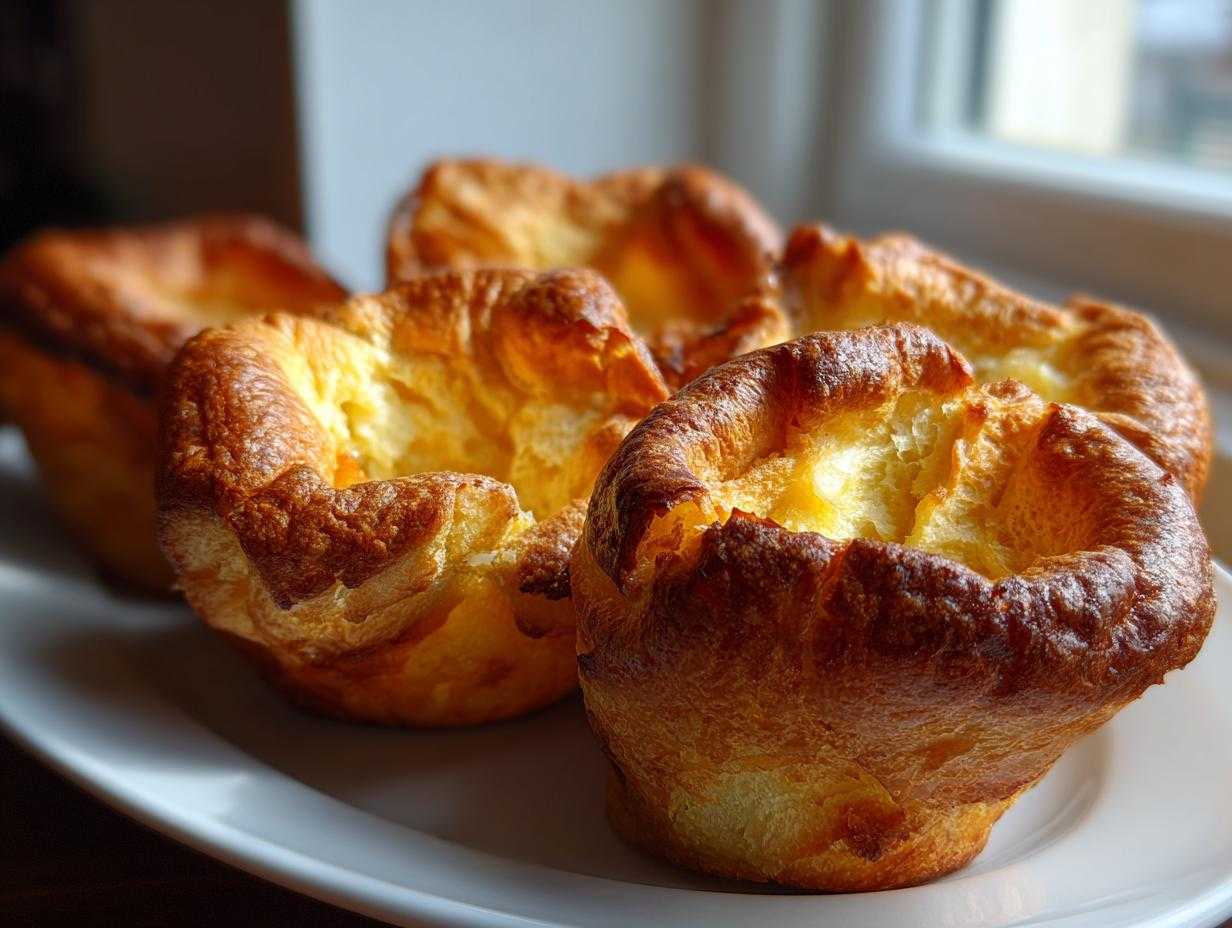
There is nothing quite like hearing about a big Sunday Roast that’s missing the star—the magnificent, towering Yorkshire pudding! If you’ve ever had them sink into sad, greasy puddles after emerging from the oven, trust me, I’ve been there. I spent years battling flat yolks and soggy bottoms, convinced it was some sort of ancient, impossible British magic.
But I cracked it, folks! This isn’t just any recipe; this is the foolproof method I use now, every single time, to get yorkshire pudding that puffs up sky-high, stays gloriously crispy on the outside, and stays airy and light inside. It’s all about patience with the batter and treating that hot fat like it owes you money!
Why This is the Best Yorkshire Pudding Recipe (Crispy Outside, Fluffy Inside)
If you’re tired of near-misses, you’ve found your forever recipe. This method guarantees those tall, golden beauties that look impressive on any plate. Seriously, these are easily the Best Yorkshire Pudding results I’ve ever achieved, and they’re based on simple science, not luck!
Here’s what you get when you follow my exact process for these Foolproof Yorkshire Puddings:
- The Ultimate Rise: We focus on thermal shock—that moment the cold batter hits the screaming hot fat—giving you those massive, puffy centres every time.
- Crispy Exterior: Forget soft, pale edges. We use the right fat and high heat to create a shell that stays crisp until the last bite.
- Traditional Flavor: It’s all the flavour you want in a Traditional British Side Dish, made simply from just flour, eggs, and milk.
- Easy Batter: The mixing is quick, and once you let the batter rest, the hard work is done. It’s surprisingly straightforward!
I’m so confident in this one, I even wrote a whole post on making the best Katsu Curry, but even that amazing dish NEEDS these puddings on the side! Check out my Katsu Curry recipe while your batter is resting!
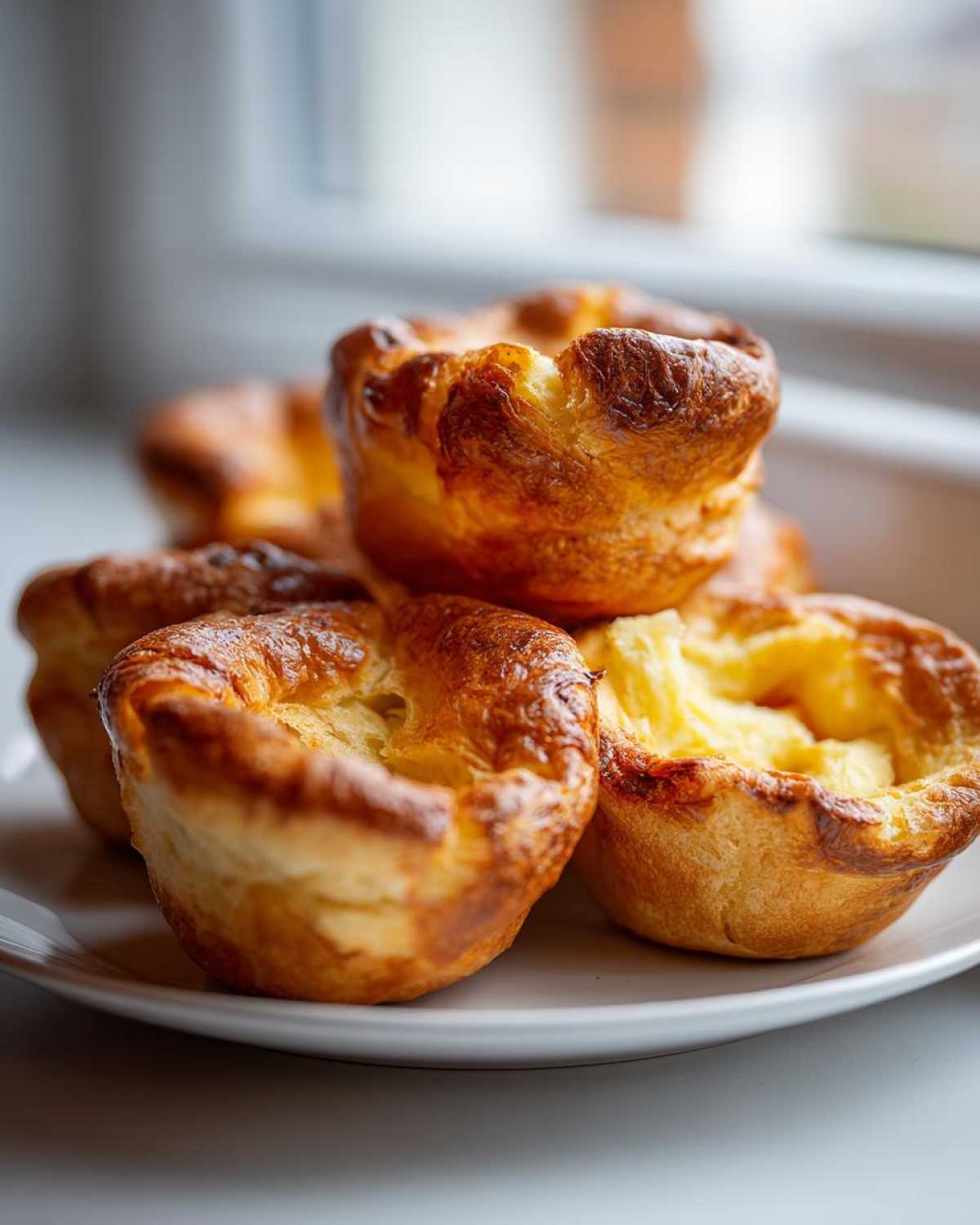
Essential Ingredients for Perfect Yorkshire Pudding
Honestly, the ingredient list for a true Yorkshire pudding recipe is beautifully simple. That’s why when people use poor quality or straight-from-the-fridge items, things go wrong fast. My secret here isn’t adding a fancy ingredient; it’s treating the essentials right before they even hit the bowl.
You just need four main players, plus enough fat to get things sizzling:
We need 140g of plain flour—sift it, please! Sifting is non-negotiable; it helps break up those lumps right at the start. Then there are the four large eggs and 200ml of milk. Now, listen closely: these MUST be at room temperature! Cold eggs and cold milk shock the gluten when you mix them in, and that spells disaster for a good rise. I usually take mine out about an hour before I start mixing.
For cooking, you absolutely can use vegetable oil, but if you want that rich, authentic taste that sings alongside your roast beef, you need beef dripping. It smokes at a higher temperature, which is exactly what we need to shock that batter into puffing up. Just a pinch of salt goes in, and we are ready to make the magic batter!
How to Make Yorkshire Puddings: Step-by-Step Instructions
Okay, we have our room-temperature ingredients ready, and soon we’ll have the smoothest batter you’ve ever seen. Learning exactly How to make Yorkshire Puddings isn’t hard, but it does require you to follow a few non-negotiable rules regarding temperature. Follow these steps, and you’ll never look back!
Mixing the Easy Yorkshire Pudding Batter
Start by sifting your flour and salt—trust me, don’t skip the sieve! Make a well in the middle and crack in those beautiful room-temperature eggs. Now, grab a whisk and start incorporating the flour slowly from the sides. Once you have a thick paste, start adding the milk, piece by piece, while whisking constantly. You must keep whisking until you hit that perfect consistency—it should be thin, smooth, and look just like single cream. If you have lumps, you don’t have an Easy Yorkshire Pudding Batter yet! Keep smoothing it out.
The Critical Resting Period for Fluffy Yorkshire Puddings
This step is where most home cooks fail, and it’s what separates a mediocre result from truly Fluffy Yorkshire Puddings. Once the batter is smooth, cover the bowl! You need to let that batter rest for a minimum of 30 minutes, though I prefer leaving mine in the fridge for a couple of hours if I have time. This resting period allows the starch in the flour to fully hydrate and the gluten strands to relax. This relaxation is what lets the pudding expand freely and dramatically in the heat.
Heating the Fat: The Secret to Crispy Yorkshire Puddings
While the batter is snoozing, crank your oven up to 220°C (that’s quite hot!). Place your muffin tin (or roasting tin) inside while it preheats. Add about a teaspoon of your fat—beef dripping is my go-to for true crispness—into each hole. We need that fat to get absolutely screaming hot—think smoking hot! Heat the fat in the oven for a full 10 minutes.
When you’re ready to pour, work fast! Pull the tin out, pour the batter quickly into the smoking fat (it should sizzle immediately!), and get it straight back into the oven. And here is the final big rule: Do NOT open that oven door for the first 20 minutes. That rush of cold air will collapse your gorgeous Crispy Yorkshire Puddings before they set. You want these served straight onto your plate so they can soak up all your amazing homemade gravy. If you need a recipe for that, I think my gravy recipe goes perfectly with them!
Yorkshire Pudding Tips and Tricks for a Guaranteed Rise
Even with my perfect batter resting on the counter, a single mistake at the final stage can lead to disappointment. You asked for Yorkshire Pudding Tips and Tricks to guarantee that spectacular rise, and I’ve collected the most crucial lessons learned from years of trial and error. It all boils down to temperature, temperature, temperature!
First off, ditch the cold ingredients. I sound like a broken record, but room-temperature eggs and milk are non-negotiable. Cold ingredients drop the temperature of the batter, and that robs you of that crucial initial explosive puff when it hits the oven.
Secondly, that fat in the tin? It needs to be smoking. If you put your batter in fat that is only warm, the pudding soaks it up like a sponge before it can set, resulting in a heavy, greasy bottom. If you’re using a larger roasting tin for a big pudding, make sure the fat covers the entire base for even cooking.
And please, for the love of Sunday dinner, resist leaning down to peek through the glass! Ovens are temperamental. Opening the door, even for a second, lets out the super-hot steam that is doing the lifting work on your rising puddings. Leave them alone for those first 20 minutes, and they will reward you with a perfect, towering structure.
Serving Suggestions for Your Traditional British Side Dish
If you’ve managed to summon up these perfect, golden clouds of batter, you’re probably planning the rest of the meal, right? Because frankly, a perfect Yorkshire pudding deserves a proper showcase.
Obviously, these are the quintessential Traditional British Side Dish for a Sunday Roast. Forget everything else; you need good, rich gravy to pour right into the crater of your pudding. My favorite pairing? A slow-cooked roast beef, but honestly, they work just as well with lamb or chicken.
If you’re feeling fancy, you can call them Puffy Popovers and serve them with butter and jam for a brunch treat, but they truly shine when placed next to something hearty. If you want a show-stopping main to go with these beauties, I highly recommend trying my recipe for Red Wine Braised Short Ribs. The rich sauce drips perfectly into the bottom of the pudding!
Variations on the Classic Yorkshire Pudding Recipe
While I swear by this classic recipe for the ultimate roast dinner side, I know everyone’s kitchen is built a little differently. Sometimes you need a big ol’ tray of pudding, and sometimes you need individual servings—and that’s totally fine!
Making Individual Yorkshire Puddings is as simple as swapping out your vessel. Use a standard 12-hole muffin tin instead of one large roasting pan. They cook a tad faster, so watch them closely!
Now, flavor is fun, too. I usually keep mine plain, but if you’re feeling adventurous, whisking in a teaspoon of finely chopped fresh rosemary or thyme into the batter before resting adds a lovely earthy background note. If you’re navigating dietary restrictions, yes, you can adapt this! While I haven’t perfected a dedicated version, I have my methods for Gluten Free Apple Cinnamon Muffins that might give you some ideas if you’re working on a Gluten Free Yorkshire Pudding iteration—it’s all about finding the right substitute flour!
Storage and Reheating Instructions for Yorkshire Puddings
I’m gonna be honest, leftover Yorkshire puddings rarely see the light of day in my house because we eat them all piping hot straight from the oven! But sometimes, you just make too much, especially when serving a big crowd.
If you have any left, don’t even think about the microwave—that’s a fast track to a soggy disaster. Store them in an airtight container for up to two days. When you’re ready for round two, the trick is to bring the crispness back using high heat.
Pop them directly onto a metal rack (not a baking sheet!) in an oven set to about 200°C. Give them about 5 to 8 minutes. That blast of dry heat re-crisps the outside beautifully while warming the fluffy interior. They’ll be almost as good as the first batch!
Frequently Asked Questions About Making Yorkshire Pudding
I get so many questions about these beauties! It makes sense; getting that perfect rise can feel like walking a tightrope. Here are the answers to the most common things readers ask me when they are trying to achieve those perfect, Fluffy Yorkshire Puddings.
Can I use cold milk and eggs for the batter?
Please don’t! This is probably the number one reason people struggle. Cold ingredients dramatically lower the temperature of the batter, which stops that critical thermal shock when it hits the hot oil. Always, always use room-temperature eggs and milk. It’s a small step that makes a massive difference in achieving that high, proud pudding structure.
What do I do if my Yorkshire Puddings didn’t rise and they are flat?
If they’ve gone flat, the culprits are usually one of two things: either your fat wasn’t hot enough, or you opened the oven door too soon. The fat must be smoking hot—seriously, don’t pour your batter in unless you see wisps of smoke when you add it! Secondly, once the batter is in, you absolutely cannot open that door until they’ve been baking for at least 20 minutes. Be patient!
Can I use butter instead of beef dripping or vegetable oil?
You can, but I wouldn’t recommend it for achieving maximum crispiness. Butter contains milk solids, which burn much faster than pure oil or dripping at the high temperatures we need. Butter will certainly flavour the pudding, but it can also lead to very dark, slightly bitter bottoms and less puff. If you want that classic, dry, shatteringly crisp edge, stick to beef dripping for the most traditional result.
Do I have to rest the batter, or can I bake it right away?
You can technically bake it right away, but I wouldn’t suggest it! Resting is crucial for getting truly light and airy puddings. When you rest the batter, the flour absorbs the liquid fully, and the gluten relaxes. If you skip resting, you often end up with a slightly chewy texture instead of a delicate, Fluffy Yorkshire Pudding. If you’re in a massive rush, let it sit on the counter for 15 minutes while the tin heats up, but longer is always better!
If you’re looking for other fluffy baked goods, you must check out my Naan Bread recipe; the same principles of letting the dough rest apply there, too!
Nutritional Estimates for This Yorkshire Pudding Recipe
Alright, let’s talk numbers! Making traditional, homemade side dishes like this means we aren’t exactly aiming for health food status, but it’s nice to know what we’re dealing with, right? Since this recipe relies heavily on flour, eggs, and fat, it gives you that gorgeous, satisfying richness perfect for a big Sunday dinner.
Keep in mind, these figures are just estimates based on the standard ingredients listed (plain flour, whole milk, vegetable oil) and assume you get 12 puddings out of the batch. If you use beef dripping, the saturated fat content will be slightly higher, but oh my gosh, the flavour is worth it!
Here is a quick breakdown per individual Yorkshire pudding:
- Serving Size: 1 pudding
- Calories: 120
- Fat: 6g (With about 2g being Saturated Fat)
- Carbohydrates: 13g
- Protein: 5g
- Sugar: 2g
- Sodium: 80mg
Remember, these are estimates! Part of the charm of making your Classic English Recipes from scratch is that you control every single thing that goes into them. If you want to make them lighter, you can play around with low-fat milk, but I have to warn you—it never rises quite as beautifully. Enjoy them guilt-free alongside your beautiful roast!
Print
The Perfect Foolproof Yorkshire Pudding
- Total Time: 35 min
- Yield: 12 small puddings 1x
- Diet: Vegetarian
Description
Make classic British Yorkshire puddings that are crispy outside and light inside using this simple, reliable recipe.
Ingredients
- 140g plain flour
- 4 large eggs
- 200ml milk (whole milk works best)
- Pinch of salt
- Vegetable oil or beef dripping, for cooking
Instructions
- Sift the flour and salt into a large bowl. Make a well in the center.
- Crack the eggs into the well. Begin whisking the eggs, gradually incorporating the flour from the sides.
- Slowly pour in the milk while continuously whisking until you have a smooth, thin batter, similar in consistency to single cream.
- Cover the bowl and let the batter rest at room temperature for at least 30 minutes, or up to several hours in the refrigerator. Resting improves the rise.
- Preheat your oven to 220°C (425°F / Gas Mark 7). Place a 12-hole muffin tin or a roasting tin into the oven.
- Add about 1 teaspoon of oil or beef dripping to each hole of the hot tin. Heat the oil in the oven for 10 minutes until it is smoking hot.
- Carefully remove the hot tin from the oven. Quickly and evenly pour the batter into the hot fat, filling each hole about halfway.
- Immediately return the tin to the oven. Do not open the oven door for the first 20 minutes.
- Bake for 20 to 25 minutes, or until the puddings are well-risen, deep golden brown, and crisp. Serve immediately.
Notes
- Use beef dripping instead of oil for the most traditional flavor and best crispness.
- The fat must be smoking hot before you add the batter; this shock helps the pudding rise quickly.
- Do not use cold ingredients; ensure the milk and eggs are at room temperature before mixing.
- For individual puddings, use a standard muffin tin. For a large pudding, use a small roasting tin.
- Prep Time: 10 min
- Cook Time: 25 min
- Category: Side Dish
- Method: Baking
- Cuisine: British
Nutrition
- Serving Size: 1 pudding
- Calories: 120
- Sugar: 2
- Sodium: 80
- Fat: 6
- Saturated Fat: 2
- Unsaturated Fat: 4
- Trans Fat: 0
- Carbohydrates: 13
- Fiber: 0
- Protein: 5
- Cholesterol: 65