

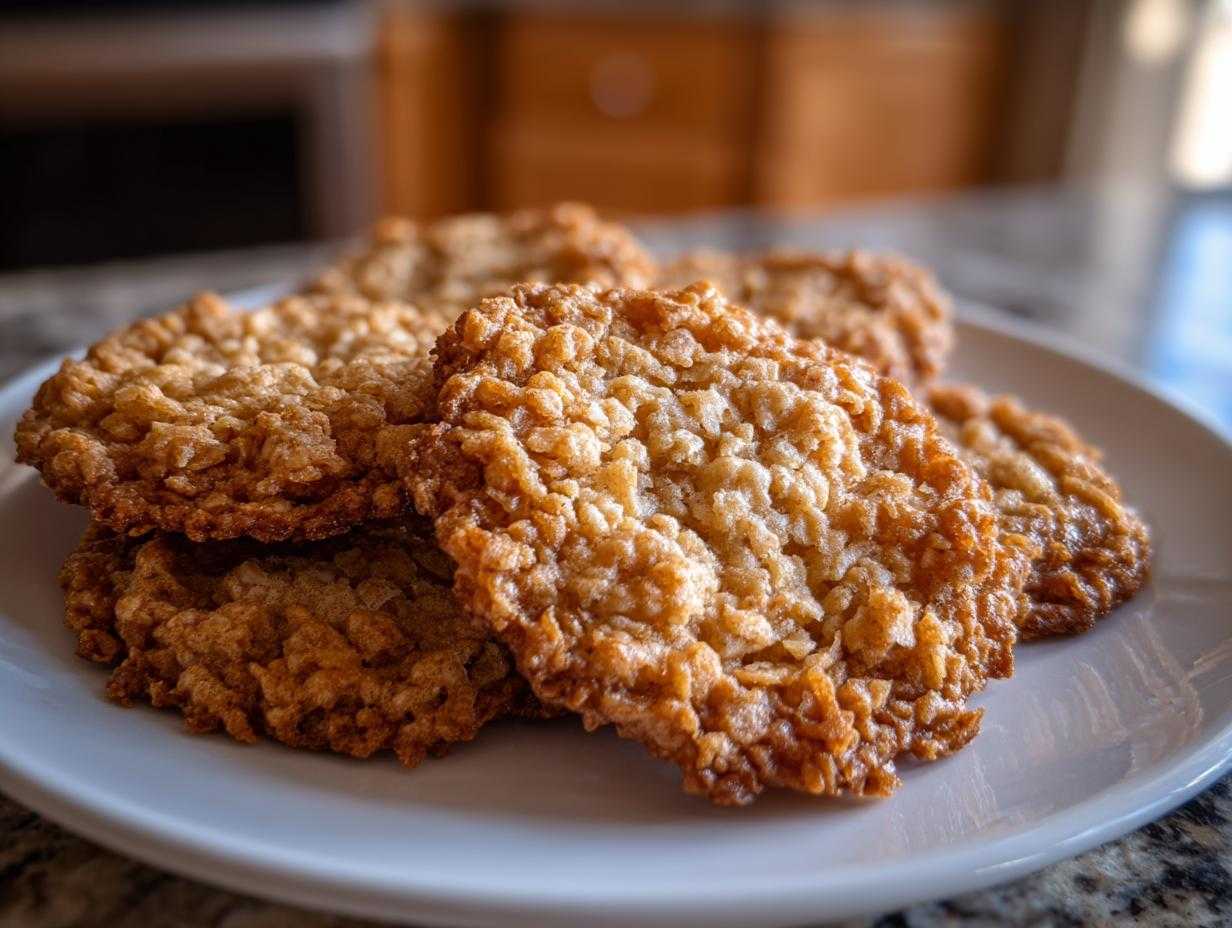
Oh, friends, let’s talk about cookies that demand attention! We all love the thick, hearty kind, but sometimes you just need something truly delicate—something that whispers sophistication when you serve it. I’m talking about oatmeal lace cookies. For years, I struggled to get that perfect marriage: impossibly crisp edges that shatter when you bite them, cradling a beautifully chewy, slightly buttery center. It felt like a tightrope walk between cookie and caramel puddle!
But trust me, I finally cracked the code. This recipe isn’t fussy; it just respects the ingredients. We get that gorgeous, thin, lacy spread without the dough vanishing into one giant sheet on the pan. Once you master the spacing, these treats look like they took hours, but they come together faster than you can decide which tea to brew!
Why These Chewy Oatmeal Lace Cookies Are the Best Oatmeal Cookie Recipe
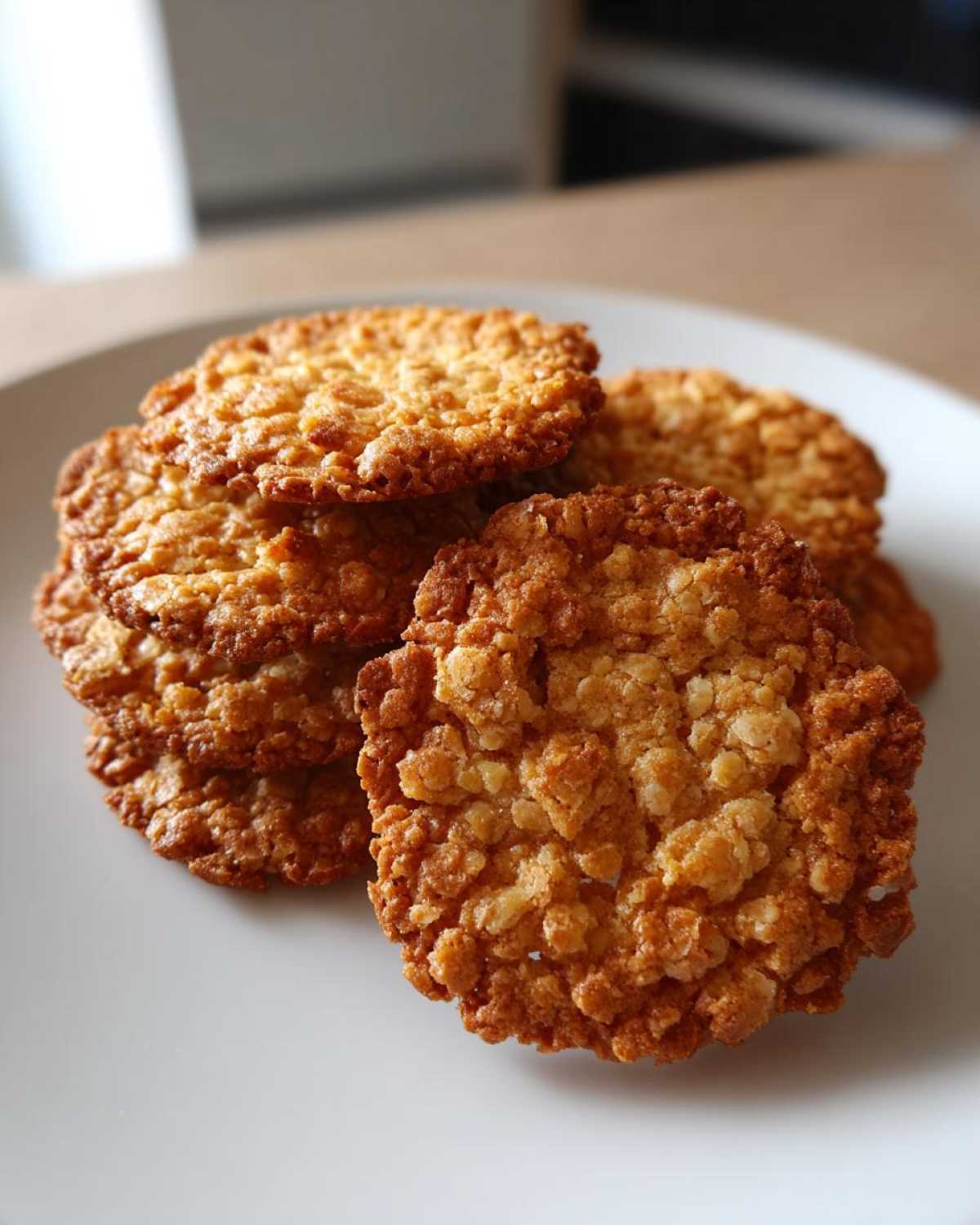
Listen, there are a million ways to make a chewy oatmeal cookie, but very few nail the delicate nature of a true lace cookie. This recipe stands out because we nail that texture dichotomy. You get the stunning, almost spun-sugar look around the edges—that beautiful shatter—but the center stays wonderfully soft! That’s how you know you’ve found the best oatmeal cookie recipe.
The secret to keeping them structured, not brittle, is the precise creaming of the butter and sugars. If your butter is too warm, they spread too fast and burn; too cold, and they won’t spread enough to become those wonderful delicate oat cookies. It’s a quick lesson in temperature control that pays off massively in crispness and chew!
Achieving Perfect Caramelized Oat Cookies
When we talk about lace, we are really talking about caramelization, aren’t we? That deep, golden flavor comes directly from the combination of softened butter, granulated sugar, and, most importantly, packed light brown sugar. The molasses in the brown sugar not only adds depth but acts as a vehicle for that lacey texture as the cookie bakes off.
We cream them until they are pale and fluffy because we want to incorporate air before the oats go in. This air pocket helps the cookie rise slightly before it collapses into that beautiful, thin sheet. This critical step ensures they are truly caramelized oat cookies—flavorful and glassy, but still sturdy enough to sit on a plate!
Ingredients for Perfect Oatmeal Lace Cookies
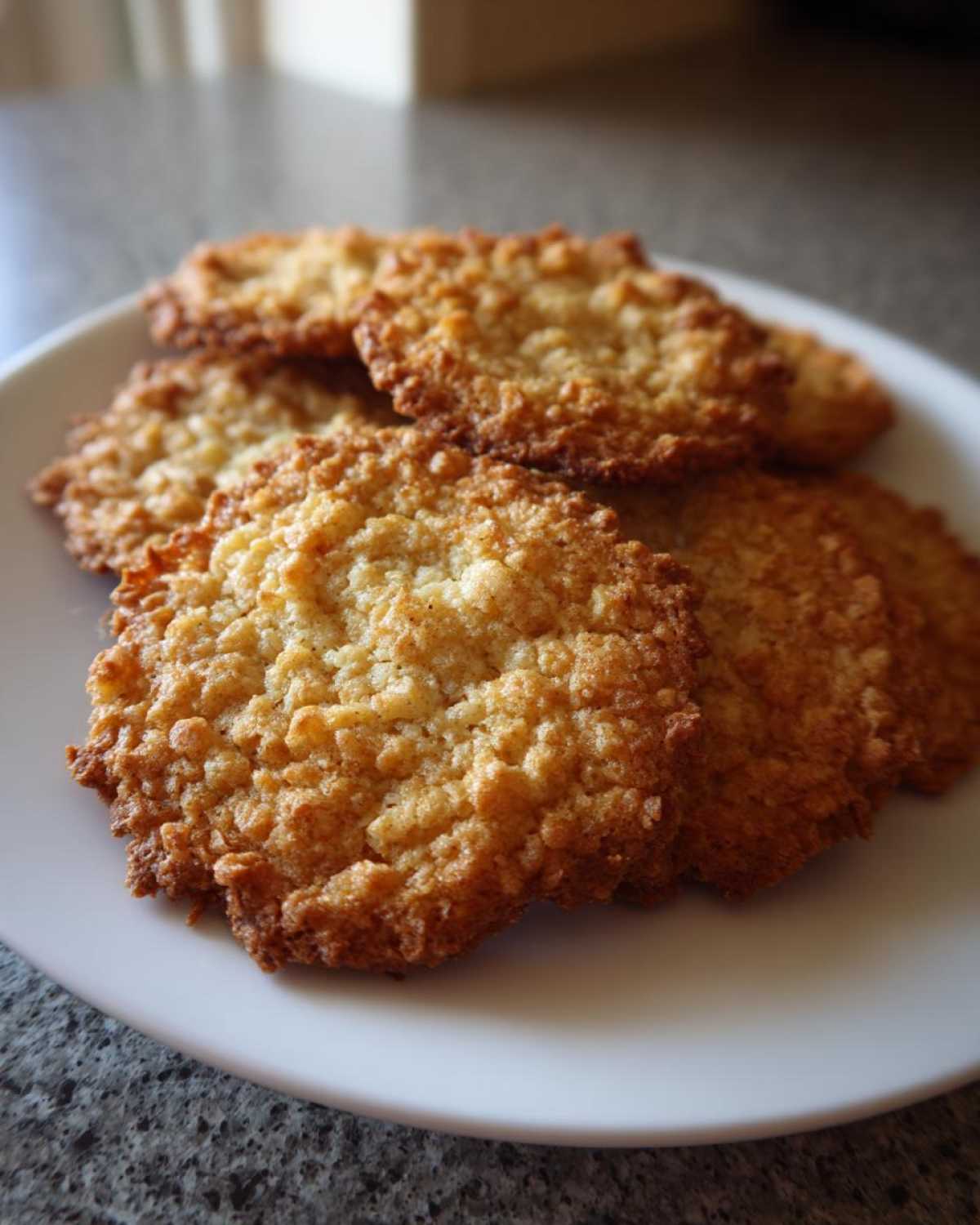
When you see how these lace cookies bake up, you’ll be shocked by how simple the ingredient list is! Everything you need is probably already in your pantry, but getting the preparation right—the softening, the packing—is what guarantees success. We’re using basic pantry staples here, but we treat them with a little extra respect so they can achieve that delicate final form.
You’ll need butter that’s softened just right, two different kinds of sugar for that rich flavor, eggs, flour, that essential baking soda, salt, and our star: the oats! Don’t forget the vanilla extract to round out the sweetness.
Ingredient Notes and Substitutions
Now, let’s talk about the oats—this is key! You absolutely must use standard old-fashioned rolled oats here. Do not grab the instant oats! The instant ones cook down too quickly and they won’t give you those beautiful structural pieces needed for the lace pattern. They just dissolve, and you lose your texture.
Also, that shredded coconut? It’s optional, but I highly recommend it! It adds a little extra chewiness right in the center, balancing out the crispier edges perfectly. If you are out of cream of tartar, don’t fret; the baking soda handles the lift needed here.
The Easy Lace Cookie Recipe Step-by-Step Instructions
This is where the magic happens, and honestly, it’s so fast you might blink and miss it! We need to treat the oven right from the start, especially because these oatmeal lace cookies are going to spread out dramatically. Preheat your oven to 350 degrees F, and I need you to listen closely: line those baking sheets with parchment paper. Not wax paper, not silicone mats—parchment! This is essential for the spread.
Once you’ve creamed your butter and sugars (from the previous section, remember?), beat in those eggs one by one until everything is happy and smooth. Then, we mix our dry stuff—flour, soda, salt—separately. You want to add the dry ingredients to the wet mixture little by little, mixing until it *just* comes together. Overmixing this batter is the enemy of delicate texture; we don’t want to wake up the gluten!
Next, stir in your rolled oats and that optional coconut. The dough will look thick right now, but don’t worry! Grab a rounded teaspoon—and I mean rounded—and drop them onto your parchment. You absolutely must space these apart at least three inches. If you crowd them, you’ll end up with one giant, messy lace cookie recipe sheet instead of individual treats!
Baking Tips for Crispy Lace Cookies
Bake these beauties for about 8 to 10 minutes. The visual cue here is everything—you are looking for the edges to be a deep, beautiful golden brown. That’s your signal that the lace is set! If the center still looks a tiny bit soft, that’s perfect; it means you’ll get that chewy center we’re aiming for. Don’t be tempted to leave them in longer, or you’ll lose the chew!
When you pull the sheets out, do *not* try to move them immediately. Let them sit right there on the hot pan for a full two minutes. These crispy lace cookies are incredibly fragile when hot, and that little bit of cooling time lets them set up structurally. Then, carefully slide that parchment paper onto a wire rack to cool completely. They firm up beautifully as they chill!
Tips for Success When Making Oatmeal Lace Cookies
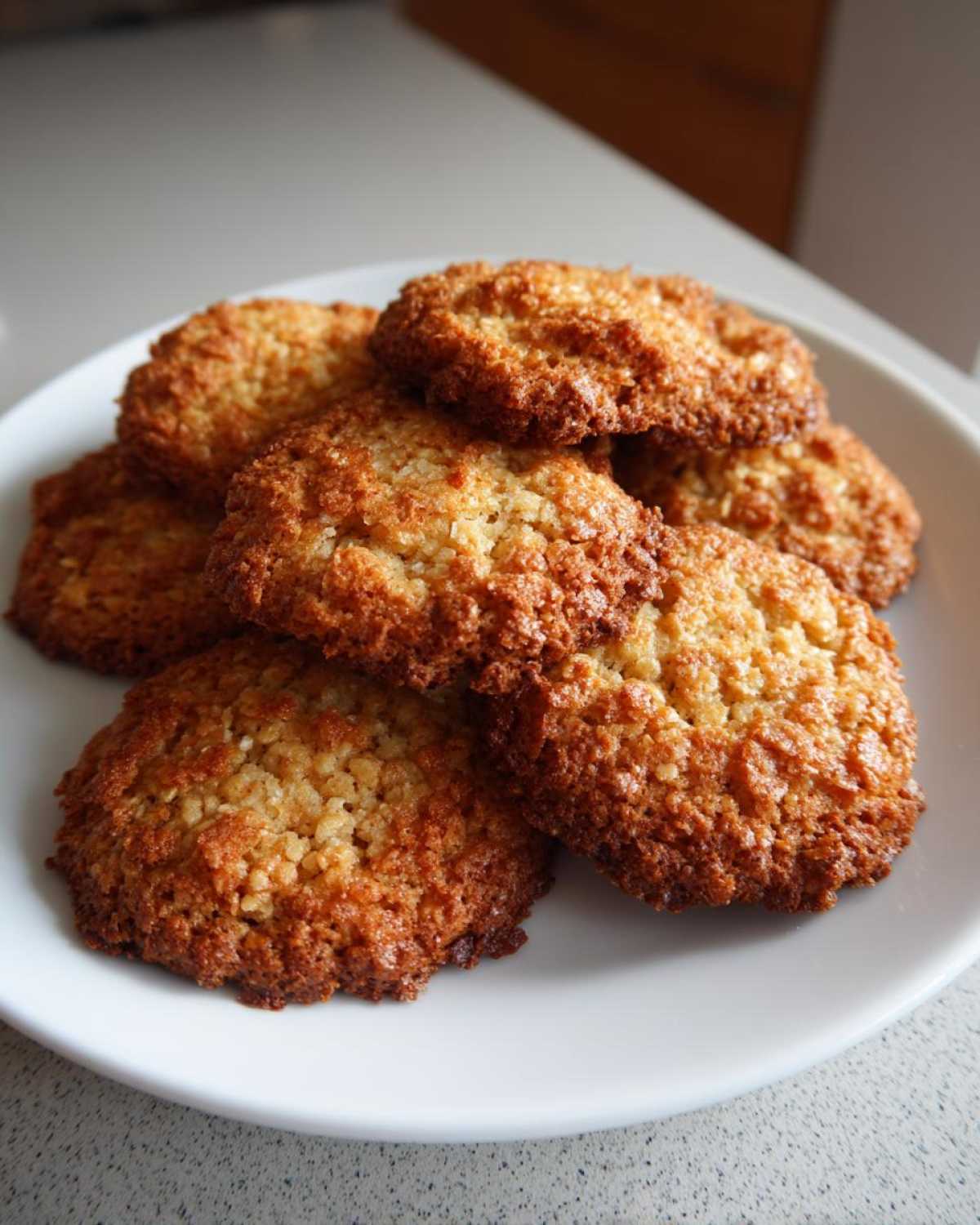
I made so many mistakes trying to get these right—so you don’t have to! Let’s talk about making sure they spread beautifully without sticking everywhere. Remember how I insisted on parchment paper for the baking step? That’s non-negotiable. The dough needs to slide and stretch freely to get those thin, airy edges we love. Silicone mats are too grippy, and they make the cookie dense rather than lacy.
Also, never, ever overbake these! That two-minute rest on the sheet is crucial for structure, but only because you pulled them when the center was still soft. Baking them until they look totally done means you end up with hard, brittle wafers, not that perfect chewy interior we aimed for.
On the flip side of spreading, you have to watch the weather! If it’s a super humid day, these butter crisp cookies might spread a little too eagerly, almost into each other. If they look like they are going to touch, pull them out early. If you really want them flatter but the dough seems stubborn, you can gently flatten the scoops with the bottom of a drinking glass just before they go into the oven. It’s a little extra step, but it guarantees the perfect thinness we’re looking for.
Storage and Make-Ahead for Your Oatmeal Lace Cookies
Storing oatmeal lace cookies is a delicate operation because they are so thin! You absolutely must let them cool completely, and I mean completely, before you even think about stacking them. If there is any residual warmth, you’ll end up with one big, sticky cookie clump, and that would be a tragedy.
Once cooled, you need an airtight container. I usually layer them between sheets of parchment paper. If I’m making a huge batch for the holidays—and let’s be real, I often do for my holiday lace cookies gathering—I sometimes toss in one of those little food-safe silica gel packets that come in vitamins to wick away any lingering moisture. They keep beautifully on the counter for about a week, maintaining that perfect snap!
As for freezing? It’s doable, but I prefer them fresh. If you do freeze them, make sure they are in a single layer inside a very sturdy, airtight bag before you stack them. Thaw them on the counter, still sealed, which helps prevent condensation from making them soggy.
Variations on Delicate Oat Cookies
While this recipe yields perfection for classic thin oatmeal cookies, I absolutely love seeing what creative tweaks people make! Don’t feel like you have to stick to just the oats and coconut. These delicate oat cookies are wonderful canvases for extra flavor because the spreading process incorporates whatever you fold in.
My favorite addition, especially around fall, is a tiny bit of orange zest mixed in with the wet ingredients. It brightens up the deep, caramelized sugar flavor so nicely! You could also stir in a half cup of finely chopped pecans or walnuts if you want a bit more crunch woven into the lace.
Another trick I’ve played with is swapping out about a quarter cup of the granulated sugar for something richer, like a dark brown sugar or even some maple sugar if you have it. It deepens that buttery flavor complexity and gives you an even more profound caramel note in the final product!
Serving Suggestions for Elegant Dessert Cookies
Because these oatmeal lace cookies have such a beautiful, buttery crunch, they shine when paired with something smooth or warm. They aren’t overly sweet on their own, which means they make the most perfect little accompaniment to your after-dinner coffee or a strong cup of tea. Seriously, dunking the edge lightly into a latte is heavenly!
If you are serving these as part of a larger dessert spread, they look absolutely stunning nestled next to a scoop of vanilla bean ice cream or, even better, a tart lemon sorbet. The bright citrus cuts right through the richness of the caramelized brown sugar so beautifully. These are truly those elegant dessert cookies that make any plate look fancy without any extra effort on your part!
Frequently Asked Questions About Oatmeal Lace Cookies
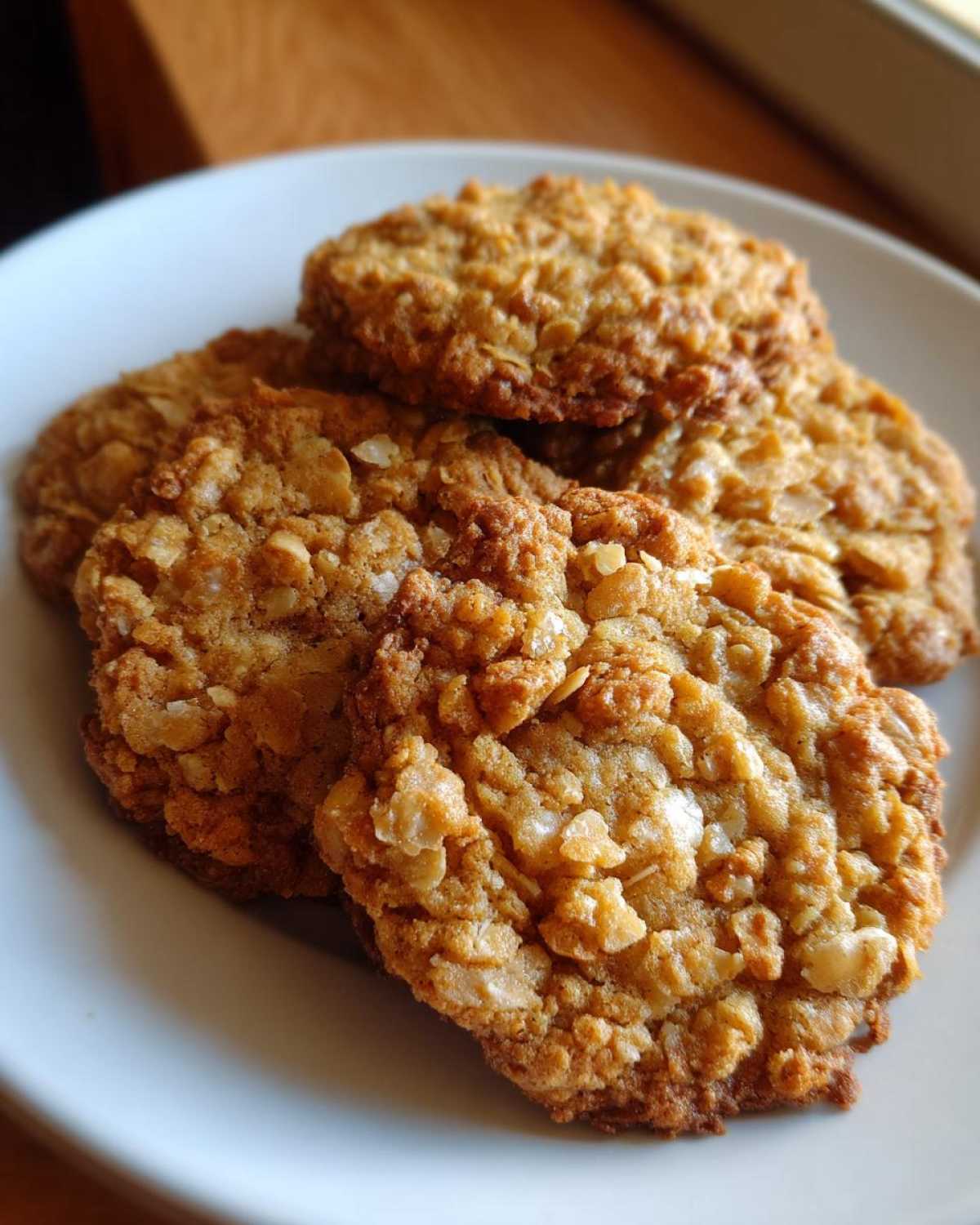
I get so many questions about these delicate treats! It’s normal to have a few hiccups when you’re mastering something that spreads as much as these do. Here are the big ones that always come up when people try to make their first batch of low carb lace cookies recipe variations or standard ones.
Why aren’t my cookies spreading enough to look lacy?
If your cookies are staying too puffy, it usually comes down to two things: your butter was too cold when you creamed it, or you didn’t use parchment paper! If the dough can’t melt and flow freely on that non-stick surface, it holds its shape and bakes up like a small, soft mound instead of a beautiful, thin sheet. Make sure that butter is truly softened!
Can I make these cookies gluten-free?
This recipe relies on the structure of wheat flour for a lot of its stability while spreading. While I haven’t tested a perfect substitution yet, if you’re determined, you’d need a quality 1-to-1 gluten-free blend that already contains xanthan gum. Because they are already such easy lace cookie recipe, swapping the flour can drastically change the texture, so proceed with caution!
How do I stop them from sticking when I move them?
The crucial moment is that initial two-minute rest period on the hot baking sheet right out of the oven. Do not try to move them while they are still gooey! After two minutes, use a very thin metal spatula—one of the thin offset ones is perfect—and slide it gently under the cookie before transferring it to the cooling rack. They stick badly if you wait too long, but they break if you move them too soon!
Nutritional Estimates for These Quick Lacy Treats
When you’re whipping up batches of these quick lacy treats, it’s good to have a ballpark idea of what you’re dealing with. Since these cookies are primarily made of butter and sugar, they are definitely a decadent indulgence!
For one cookie, you’re looking at about 120 calories. We have roughly 7 grams of fat and about 14 grams of carbohydrates, with 10 of those being sugar. They’re not high in protein, just around 2 grams per cookie.
I have to add that little disclaimer: these numbers are just estimates based on standard ingredient measurements. If you use a different brand of butter or forget the coconut, the totals shift just a bit. But hey, we’re making these because they taste amazing, not because they’re diet food!
Print
Chewy Oatmeal Lace Cookies with Crispy Edges
- Total Time: 25 min
- Yield: About 3 dozen 1x
- Diet: Vegetarian
Description
A straightforward recipe for delicate oatmeal lace cookies that achieve crispy, golden edges and a satisfyingly chewy center.
Ingredients
- 1 cup unsalted butter, softened
- 1 cup packed light brown sugar
- 1/2 cup granulated sugar
- 2 large eggs
- 1 teaspoon vanilla extract
- 1 cup all-purpose flour
- 1/2 teaspoon baking soda
- 1/4 teaspoon salt
- 2 cups rolled oats (not instant)
- 1 cup shredded sweetened coconut (optional)
Instructions
- Preheat your oven to 350 degrees F. Line baking sheets with parchment paper. Do not use silicone mats or grease the sheets.
- In a large bowl, cream together the softened butter, brown sugar, and granulated sugar until light and fluffy.
- Beat in the eggs one at a time, then mix in the vanilla extract.
- In a separate bowl, whisk together the flour, baking soda, and salt.
- Gradually add the dry ingredients to the wet ingredients, mixing until just combined.
- Stir in the rolled oats and shredded coconut, if using. The dough will be thick.
- Drop rounded teaspoons of dough onto the prepared baking sheets, spacing them at least 3 inches apart because they spread significantly.
- Bake for 8 to 10 minutes, or until the edges are deep golden brown and the centers are set.
- Remove the sheets from the oven. Let the cookies cool on the baking sheet for 2 minutes before carefully transferring them to a wire rack to cool completely.
Notes
- For the best lace effect, use parchment paper; the dough needs to spread freely.
- Do not overbake; slightly underbaking keeps the center chewy.
- If you prefer a flatter cookie, slightly flatten the dough balls with the bottom of a glass before baking.
- Prep Time: 15 min
- Cook Time: 10 min
- Category: Dessert
- Method: Baking
- Cuisine: American
Nutrition
- Serving Size: 1 cookie
- Calories: 120
- Sugar: 10
- Sodium: 45
- Fat: 7
- Saturated Fat: 4
- Unsaturated Fat: 3
- Trans Fat: 0
- Carbohydrates: 14
- Fiber: 1
- Protein: 2
- Cholesterol: 25