
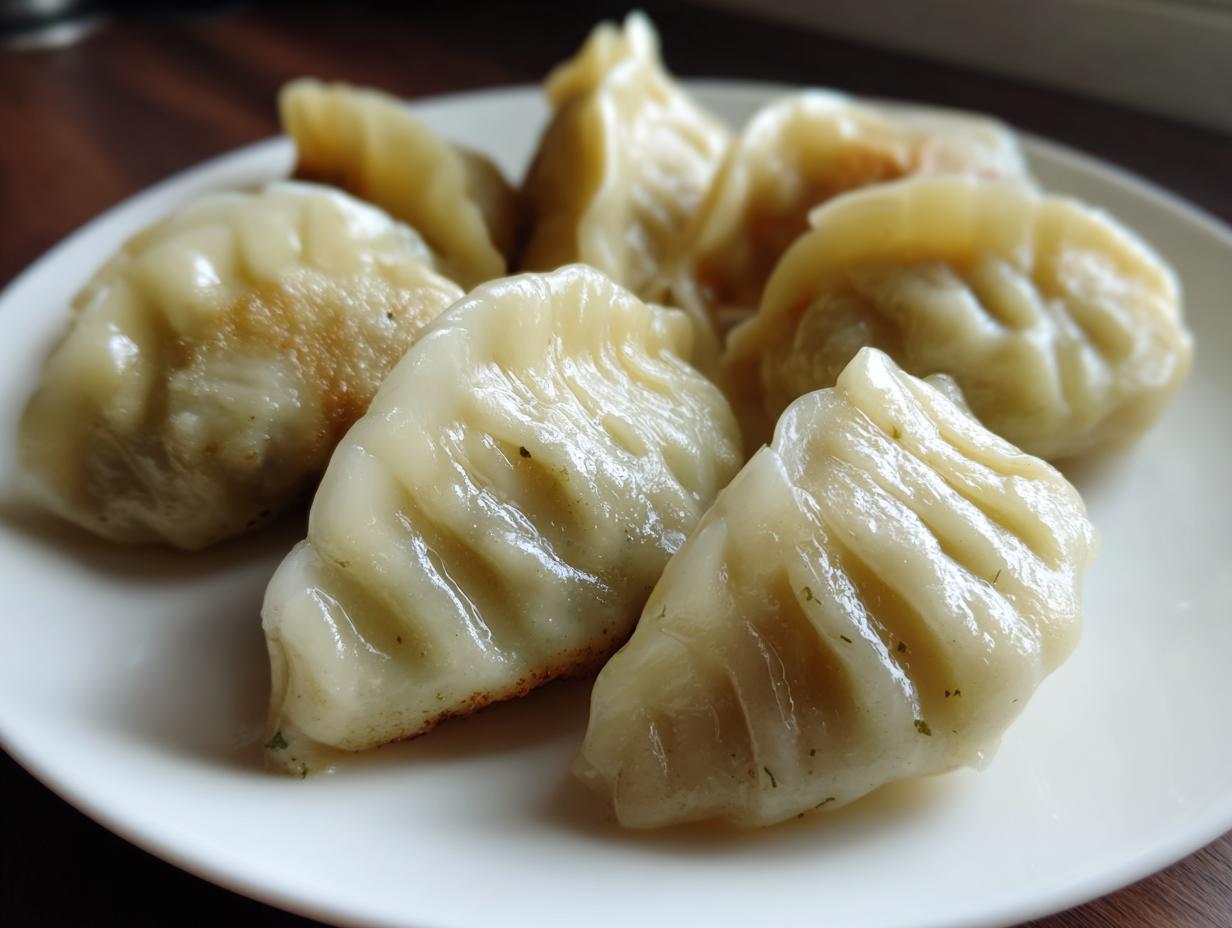
Oh my gosh, there’s nothing in the world that hits quite like a bowl of steaming, homemade comfort food, right? And for me, that comfort screams Traditional Chinese Dumplings! Forget those sad, bland frozen ones you grab in a pinch. We are diving deep today to make truly authentic jiaozi, and yes, we’re talking about rolling those homemade dumpling wrappers from scratch!
I remember sitting at my auntie’s tiny kitchen table years ago, my hands freezing from trying to work the dough, completely messing up the pleats. She just laughed, wiped my mess away, and showed me the trick—just dip your finger in water, and the dough *wants* to stick. Seriously, making your own wrappers is surprisingly therapeutic. Once you master the filling and the fold, you’ve unlocked the key to the best weeknight dinner or Lunar New Year dumplings imaginable. Trust me, you’re going to love this!
Why You Will Love This Traditional Chinese Dumplings Recipe
You’re seriously going to want to bookmark this one. Honestly, the flavor is just *next level* compared to anything store-bought. Here’s the quick scoop on why this recipe is my absolute go-to:
- The filling delivers that perfectly savory, balanced pork and cabbage flavor you crave in authentic jiaozi.
- We walk through making those gorgeous wrappers from scratch, but if you’re in a rush, I show you how to use store-bought, too!
- They are incredibly freezer friendly dumplings—batch cook once, eat for weeks!
- This recipe is basically the official starter kit for amazing Lunar New Year dumplings.
- The simple boiling technique guarantees tender, perfectly cooked boiled Chinese dumplings every time.
Essential Ingredients for Authentic Traditional Chinese Dumplings
Okay, let’s talk about what goes into these flavor bombs. If you skip the good ingredients, you won’t get the right taste, so pay attention here! Even if you choose the quicker route and buy the pre-made rounds, the filling is where all the magic happens. This is what makes them taste truly authentic jiaozi. I always try to get pork that isn’t too lean—a little fat equals more flavor, that’s just a fact of life!
For the Pork Cabbage Dumplings Filling
You need one pound of good ground pork, about one pound of Napa cabbage that you’ve chopped super fine, two tablespoons of soy sauce, a tablespoon of sesame oil, and then pinches of salt and white pepper. Don’t forget the fresh pop from a quarter cup of chopped green onions!
If Making Homemade Dumpling Wrappers
If you’re feeling brave and want the best texture, you just need two cups of all-purpose flour and about three-quarters of a cup of hot water. Make sure you let that dough rest for a good 30 minutes before using it, or it just won’t roll nicely!
Step-by-Step Instructions for Perfect Traditional Chinese Dumplings
Alright, here is the game plan! Making great pork cabbage dumplings isn’t just about measuring; it’s about technique. Once you get the filling mixed right, the assembly makes sense, I promise. Remember, we are aiming for something tender and flavorful, not mushy!
Preparing the Savory Pork Cabbage Dumplings Filling
You combine all those filling components in a big bowl, and now—this is key—you mix everything in one direction, like you’re churning butter, until it’s almost gummy. I usually stir clockwise for about three solid minutes. This step develops the proteins and makes sure your filling holds together when you boil them! Stop mixing as soon as everything is incorporated; overworking it makes the pork tough, and we definitely don’t want that.
Assembling and Pleating Your Traditional Chinese Dumplings
This is the fun part where you get creative! Lay out your wrapper—whether store-bought or homemade. Spoon just a tiny bit of filling right in the center, maybe a teaspoon. Dip your finger in a little bowl of water and wet the entire edge of one side. Fold the wrapper over into a half-moon and just pinch the very center seam closed. If you want the fancy look, make tiny pleats along one side of the seal, pressing them firmly into the flat back edge.
For beginners though, just pressing that half-moon shut makes a fantastic seal. Use water sparingly, though! Too much water makes the wrapper gummy and ruins the seal. Once sealed, lay the finished dumpling on a lightly floured tray so they don’t get sticky. If you need help with pleating, I have a quick video guide over here!
Cooking Methods: Boiling Chinese Dumplings to Perfection
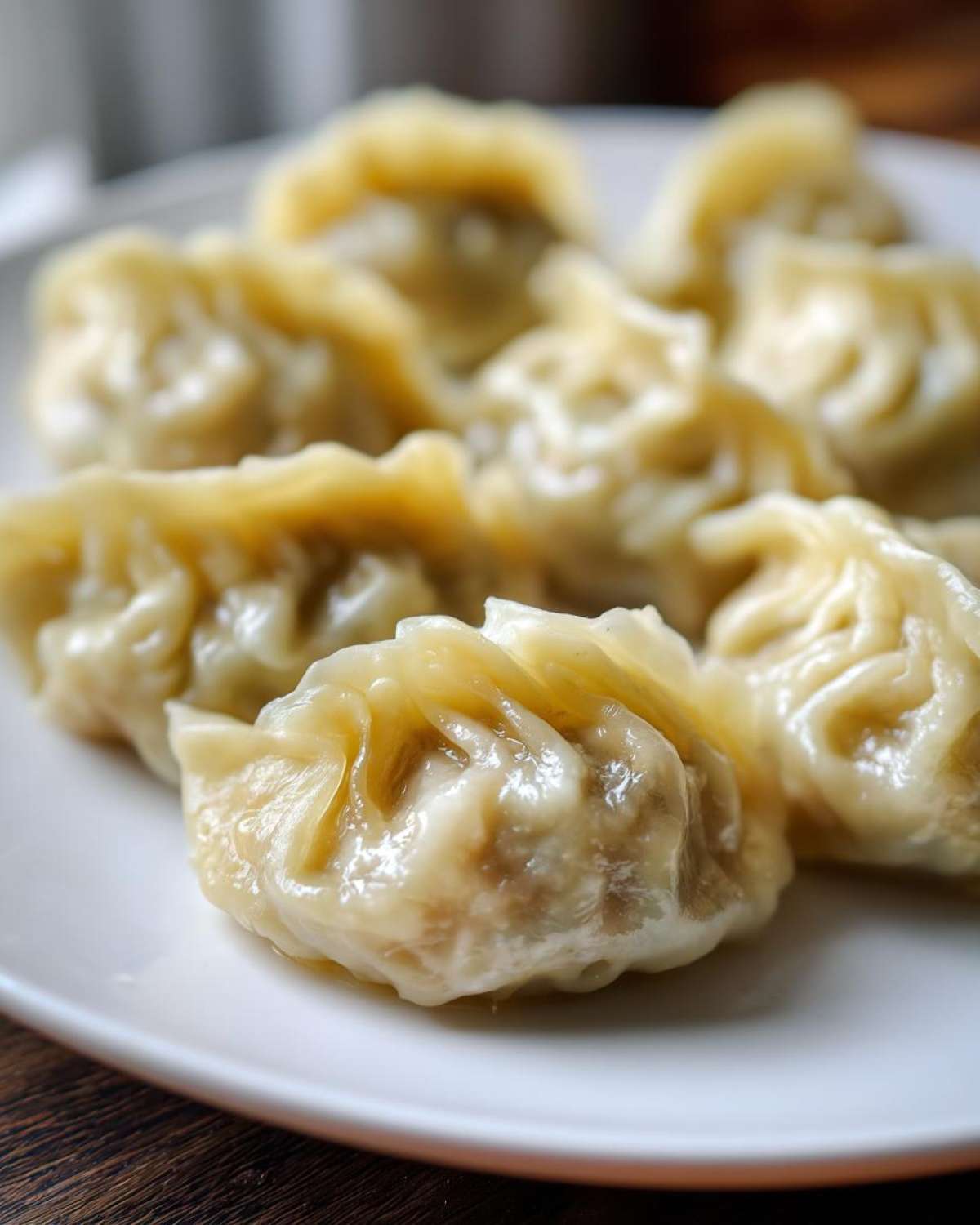
We are making boiled Chinese dumplings today, and this cooking method is super straightforward, but you have to watch the water! You want a huge pot of water—we aren’t talking a gentle simmer here, we need a rolling, vigorous boil. The dumplings need plenty of room to swim around, otherwise, they just clump into one giant dumpling brick, and nobody wants that disaster!
Gently drop your dumplings in batches; don’t crowd the pot! Now, watch closely. They will sink right away, which is perfectly normal. Once they start cooking through, they float to the top. That floating is your first signal that they’re almost ready. But here’s the crucial expert tip: don’t just pull them out when they float!
Once they’ve floated, let them hang out in that boiling water for another three to five minutes, depending on how thick your homemade dumpling wrappers are. This ensures that delicious pork filling in the middle is completely cooked through and safe to eat. If you are trying to keep that boiled texture soft, make sure you don’t let the boil die down while they are cooking. I actually like to give them a gentle stir right after they float to make sure none of them decide to settle on the bottom corner. For more cozy noodle ideas while you’re waiting, check out my homemade chicken ramen bowls—they’re perfect for the whole family!
Tips for Success Making Traditional Chinese Dumplings
Look, I’ve gone through enough batches of dumplings to know where things usually go wrong! Making these Traditional Chinese Dumplings from scratch is easy, but only if you avoid a few common pitfalls. These little tricks are what separate a good dumpling from a great one, and I’ve learned them the hard way so you don’t have to!
First things first: the cabbage moisture. Napa cabbage is full of water, and if you throw wet cabbage into your pork filling, it steams itself instead of cooking nicely, making your dumplings soggy shells. After you chop the cabbage fine, put it in a clean towel or some cheesecloth and just give it a good, enthusiastic squeeze until you feel the water lessen. It sounds dramatic, but it makes a huge difference in the final texture of your pork cabbage dumplings.
Secondly, when you’re working with your homemade wrappers, remember that dough dries out fast, especially if you’re making a big batch for Lunar New Year dumplings! Keep the stack of wrappers you aren’t actively working on covered with a damp cloth or a slightly damp paper towel. If they dry out even a little bit, they won’t seal properly, and you’ll end up trying to rescue sad, open dumplings in the boiling water.
My third big tip involves temperature for the filling. Make sure your pork filling is cold when you start assembling. Cold filling keeps the wrapper from getting greasy and tearing while you work the pleats. If your kitchen is warm, you can even pop the entire filling bowl in the freezer for ten minutes before you start wrapping. It firms everything up just enough!
Make-Ahead and Storage for Freezer Friendly Traditional Chinese Dumplings
This is probably my favorite part about the whole process, honestly. Making 100 Traditional Chinese Dumplings by hand is a marathon, not a sprint, so you absolutely have to make them ahead whenever you have the energy! Batch cooking is the only way I manage to have enough for a proper Lunar New Year celebration. They are the definition of freezer friendly dumplings!
You just have to treat them right so they don’t turn into one giant frozen blob. First, assemble all your dumplings as usual, but stop skipping the water seal! After they are sealed up tight, you need a baking sheet that’s lined with parchment paper. Lay the raw dumplings out on that sheet in a single layer, making sure they aren’t touching. If they’re snuggled up, they’ll freeze together and ruin that beautiful pleated edge you worked so hard on.
Pop that sheet right into the deep freeze, and let them sit there, uncovered, until every single one is rock hard—usually about an hour or two, depending on how cold your freezer runs. Once they are solidly frozen, transfer them right into heavy-duty freezer bags or an airtight container. They stay perfect this way for months! If you’re making a big batch for a party, I love doing this on a Sunday afternoon while I’m watching football. It’s just easy assembly work.
The best part? You don’t even have to thaw them before cooking! When you decide you want some amazing boiled Chinese dumplings mid-week, just drop those frozen guys right into your rolling boiling water. You’ll need to add an extra three to five minutes to the cooking time because they are coming in ice cold. It works like magic! If you’re looking for more slow-cooker make-ahead ideas for busy nights, you should check out my recipe for slow cooker chicken tikka masala—it pairs great with a side of these dumplings!
Serving Suggestions for Your Authentic Jiaozi
Serving these Traditional Chinese Dumplings isn’t complete until you have the right dipping sauce. Seriously, the sauce elevates the entire experience from good to unforgettable, bringing out the savory notes of that pork and cabbage filling perfectly. You don’t need anything fussy, though. Keep it simple so the flavor of your hard work shines through!
For that classic, authentic jiaozi hit, you have to mix up a simple bowl of dipping heaven. The standard ratio I always go for is heavy on the soy sauce, but balanced out with some rice vinegar for that necessary tang. A dash of sesame oil is non-negotiable for aroma. I find that a small dish of plain soy sauce and vinegar mixed 2:1 is perfect for my family.
But if you want that real kick, you absolutely must add chili oil! I mean, if you like spice, go big here. A spoonful of good, rich chili crisp—the kind with the crunchy bits—is fantastic on top. That texture contrast against the tender, **boiled Chinese dumplings** is just divine. You can find my favorite simple chili crisp recipe which really brightens up leftovers if you’re using them later, or for a fun side, those same flavors work great in my quick taco recipe over here!
Sometimes, if I’m serving these as an appetizer, I just serve them with some thinly sliced raw ginger soaked in vinegar on the side. It cuts right through the richness of the pork beautifully.
Frequently Asked Questions About Traditional Chinese Dumplings
I know you might have questions! When you’re making something as special as these Traditional Chinese Dumplings, it’s way better to ask first than to ruin a batch. I’ve pulled together the most common worries I hear from folks trying this recipe for the first time. Don’t hesitate to try something new!
Can I substitute the pork in this Chinese dumplings recipe?
Oh, absolutely! While the savory ground pork is the cornerstone of that perfect pork cabbage dumplings flavor, substitutions are totally fine depending on what you’ve got or dietary needs. My favorite swap is ground turkey, but you need to amp up the seasoning a bit—maybe add an extra splash of sesame oil or finely minced fresh ginger to keep that depth. Shrimp works wonderfully too; just make sure you chop it fine, or pulse it quickly in a food processor with the cabbage so it binds well. You want to maintain that texture we worked so hard to get!
How do I prevent my Traditional Chinese Dumplings from sticking while boiling?
Sticking happens when the dumplings huddle together or stick to the bottom of the pot before they’ve had a chance to cook and firm up. The biggest thing is water volume—you need a *ton* of water boiling vigorously. Don’t be shy with the water level! Right after you drop them in, use a long-handled spoon or ladle to very gently stir the bottom of the pot using slow, sweeping motions. You aren’t trying to mash them; you’re just nudging them apart so they don’t bond to the metal. Once they float, they generally won’t stick again. For other cooking woes, I’ve got a great guide on making katsu curry that deals with crispy coatings, which shares a similar need for controlled cooking!
Another quick tip: if you are worried about them sticking to each other while floating, give the water a little extra splash just before you drop the next batch in. It slightly raises the temperature and gives them an extra push to float sooner!
Estimated Nutritional Data for Traditional Chinese Dumplings
Now, I know some of you are busy tracking macros, and that’s totally fair! But remember, this is family cooking, not a science experiment! Since we’re doing homemade dumpling wrappers along with that savory filling, the numbers can shift depending on how much you eat or what kind of pork you grab.
The estimates below are based on the recipe details provided, assuming five boiled Chinese dumplings per serving size. Please take this as a general guideline, not gospel truth. If you decide to use leaner pork or skip the sesame oil, your numbers will change!
Here’s the ballpark for five of these little flavor pockets:
- Serving Size: 5 dumplings
- Calories: Around 250
- Fat: About 12 grams
- Saturated Fat: Roughly 4 grams
- Sodium: We’re looking at 450 mg – that’s why you taste those yummy soy and salt notes!
- Carbohydrates: About 20 grams
- Protein: A solid 16 grams to keep you full!
It’s amazing how much love and flavor you can pack into just five bites, especially when you’re preparing these special Traditional Chinese Dumplings for a big family meal!
Share Your Lunar New Year Dumplings Experience
Whew! You did it! You took the plunge and made homemade Traditional Chinese Dumplings. Seriously, I am so proud of you for tackling the wrappers and the filling. Now that you’ve got a mountain of perfectly plump jiaozi on your table, I absolutely need to hear about it!
Did you manage to get those beautiful little pleats along the edge? Or did you go for the super-simple, but equally delicious, crescent moon seal? Don’t be shy—tell me your secrets in the comments below! Ratings really help me know which recipes to feature next, so if you loved this authentic taste, toss this recipe a five-star rating, please!
Especially if you made these for a big family gathering or your own amazing Lunar New Year dumplings feast, I’d love to see photos! You can tag me on social media—I get such a kick out of seeing my recipes in your kitchens. It warms my heart knowing that this taste of home is traveling around.
And hey, if you have a few lucky leftover dumplings, you need something fun to wash them down with that feels just as festive. I have a killer recipe for a New Years Champagne Punch that would pair perfectly with the savory, salty flavor of these dumplings, taking your celebration to the next level!
Thanks so much for cooking with me today. Happy eating!
Print
Traditional Chinese Pork and Cabbage Dumplings (Jiaozi)
- Total Time: 60 min
- Yield: About 40 dumplings 1x
- Diet: Low Fat
Description
Make authentic Chinese dumplings with a savory pork and cabbage filling and homemade wrappers. This recipe includes instructions for boiling and freezing.
Ingredients
- 1 pound ground pork
- 1 pound Napa cabbage, finely chopped
- 2 tablespoons soy sauce
- 1 tablespoon sesame oil
- 1 teaspoon salt
- 1/2 teaspoon white pepper
- 1/4 cup chopped green onions
- 1 package round dumpling wrappers (or use homemade wrappers)
- Water for sealing
Instructions
- Prepare the filling: In a large bowl, combine the ground pork, chopped Napa cabbage, soy sauce, sesame oil, salt, white pepper, and green onions. Mix well until the ingredients are fully incorporated.
- Assemble the dumplings: Place about one teaspoon of filling in the center of a dumpling wrapper. Dip your finger in water and moisten the edge of half the wrapper. Fold the wrapper in half over the filling to create a half-moon shape. Press the edges firmly to seal, creating small pleats along the sealed edge if desired.
- Cook the dumplings: Bring a large pot of water to a rolling boil. Gently drop the dumplings into the boiling water, ensuring they do not stick together.
- Boil until the dumplings float to the surface, then continue to boil for an additional 3 to 5 minutes, or until the filling is cooked through.
- Remove the cooked dumplings with a slotted spoon and serve immediately.
Notes
- For freezing: Arrange uncooked dumplings in a single layer on a baking sheet lined with parchment paper. Freeze until solid, then transfer to a freezer bag. Cook directly from frozen, adding a few extra minutes to the cooking time.
- To make homemade wrappers: Combine 2 cups of all-purpose flour with 3/4 cup of hot water. Knead until smooth, rest for 30 minutes, then roll thin and cut into circles.
- Prep Time: 45 min
- Cook Time: 15 min
- Category: Main Course
- Method: Boiling
- Cuisine: Chinese
Nutrition
- Serving Size: 5 dumplings
- Calories: 250
- Sugar: 2
- Sodium: 450
- Fat: 12
- Saturated Fat: 4
- Unsaturated Fat: 8
- Trans Fat: 0
- Carbohydrates: 20
- Fiber: 1
- Protein: 16
- Cholesterol: 55