

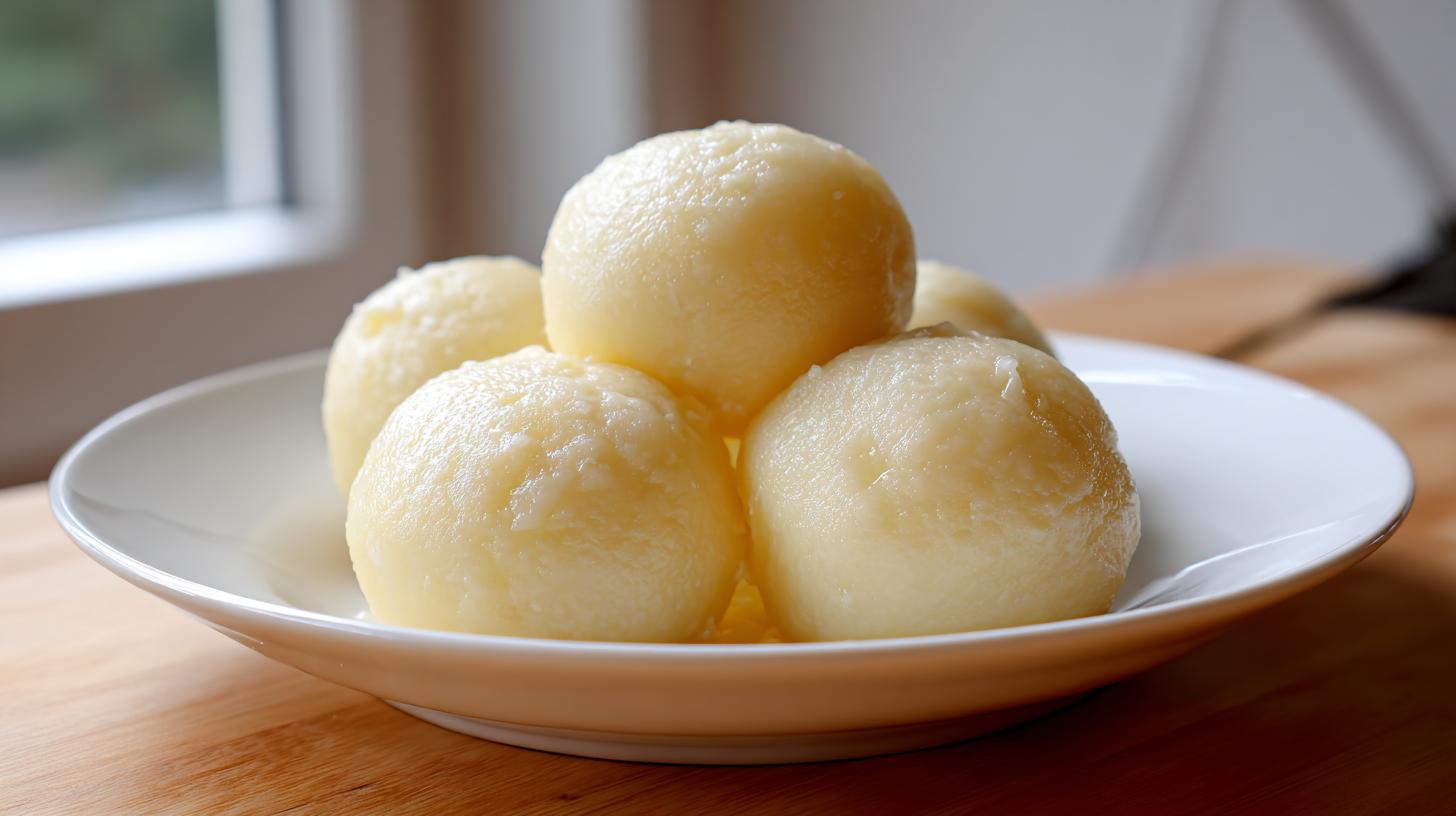
Welcome to Child Recipe: Making Authentic West African Fufu
When I first watched Liam make doughs, I thought, “Where’s the music?” Cooking should be fun, right? That’s my whole philosophy here at Child Recipe.
We bring that joyful spirit to every dish. Today, we’re tackling a staple. We’re making authentic West African fufu.
It’s the perfect, soft base for soulful soups. This recipe is about connection, not kitchen stress. Let’s get cooking together!
Why You’ll Love This Easy Fufu Recipe
I promise this version of fufu won’t take all day. You deserve an easy win in the kitchen. We designed this method for you.
It’s simple, approachable, and deeply satisfying. Here is why you’ll want to make this again and again:
- Quick Preparation Time: Seriously, the whole process takes about 35 minutes total. That’s fast for a staple this good.
- Authentic Texture Achieved Simply: We skip the overly fussy steps. You get that beautiful, smooth, elastic dough. It feels just right.
- Versatile Pairing Potential for Your Fufu: Think of this dough ball as a blank canvas. It soaks up flavor from any stew you serve it with.
Equipment Needed for Your Smooth Fufu
You don’t need a professional setup for great results here. I keep things simple in my kitchen always. Liam used to overcomplicate things. Not anymore!
Gathering your tools first makes the process flow better. It keeps the energy up. Here is what you will need on hand before we start.
Essential Cooking Tools
- A medium-sized, heavy-bottomed pot.
- A strong, sturdy mixing bowl.
- A long, dependable wooden spoon.
- A cutting board and sharp knife.
- Measuring cups and spoons, of course.
That wooden spoon is your best friend here. It handles the heat and the thick dough well. Trust me on the spoon!
Ingredients for Perfect Cassava and Plantain Fufu
Getting the ingredients right is half the battle won. I like to use a blend here. It gives a beautiful texture. Don’t stress if you only have one type of flour though.
We aim for clarity so you can shop easily. Everything should be ready by the stove. This keeps the process smooth and fun.
Dry Mix Components
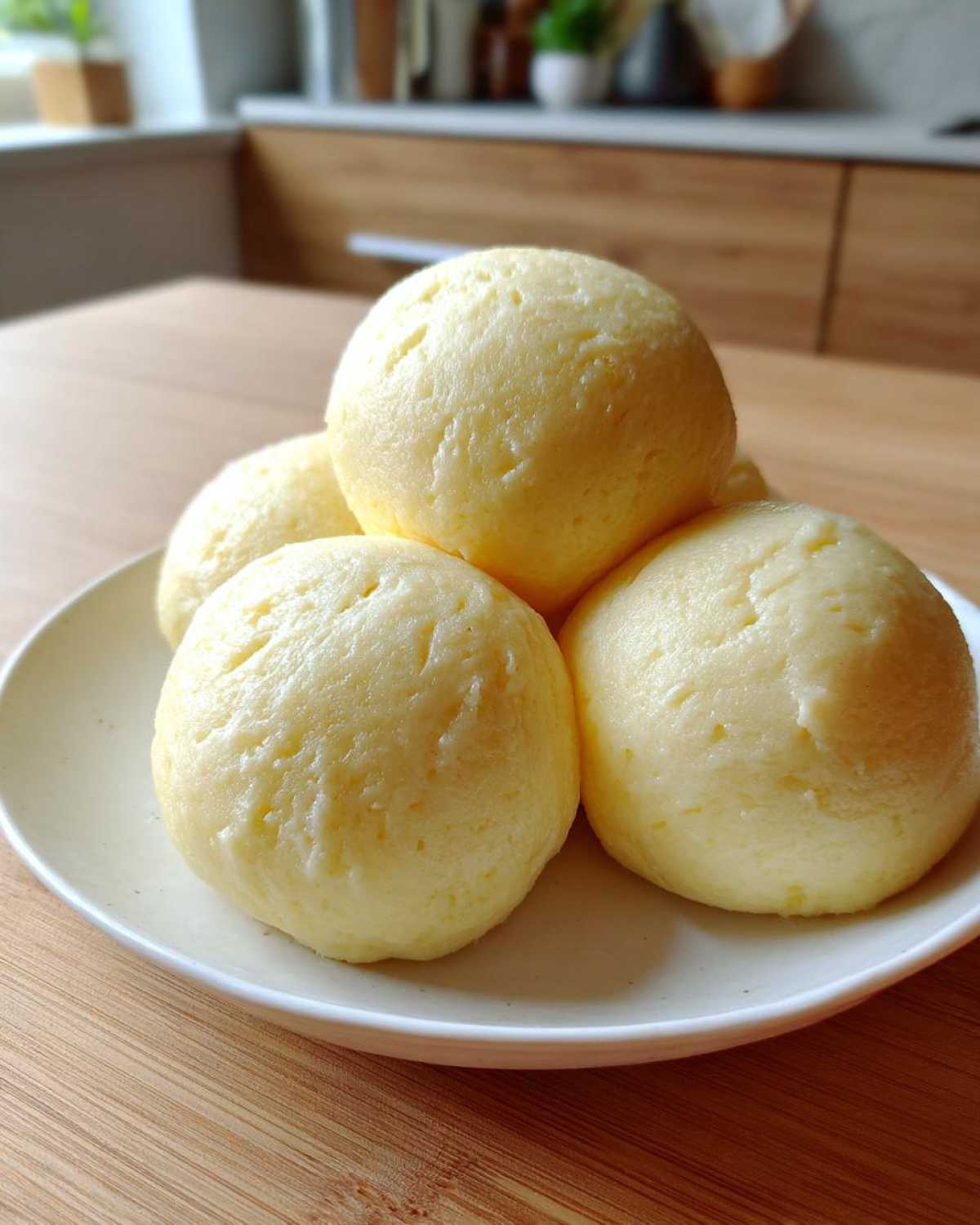
- One cup of Cassava flour. You can use garri if that’s what you have.
- One cup of Plantain flour. This adds a nice depth to the flavor.
- Remember, ratios can change later. Start with equal parts for now.
Liquid and Optional Additions
- About three cups of plain water. You might need a splash more later.
- Optional: A small piece of cooked yam or sweet potato.
- We add that cooked starch for a more traditional, authentic chew. It really helps!
Ingredient Notes and Substitutions for Fufu
Grain quality matters a lot for the final result. If you are using garri, make sure it is fine-grain. Coarse garri makes lumpy fufu.
If you cannot source plantain flour, just use two cups of cassava flour. It will still make wonderful fufu. We encourage playing around once you master the base recipe. That’s how the real cooking magic happens.
Step-by-Step Instructions to Make Fufu
Now for the fun part, putting it all together! Follow these steps closely. We want that perfect, smooth dough texture.
Don’t rush the mixing part. That’s where lumps try to sneak in. Be attentive, like watching your favorite show.
Preparing the Starch Mixture and Boiling Water
First, grab your medium pot. Measure out 2.5 cups of water. Bring this water to a good boil over medium-high heat.
While that heats up, mix your flours together well. Do this in a separate bowl. We want them perfectly combined before they hit the heat.
Mixing and Thickening the Fufu Dough
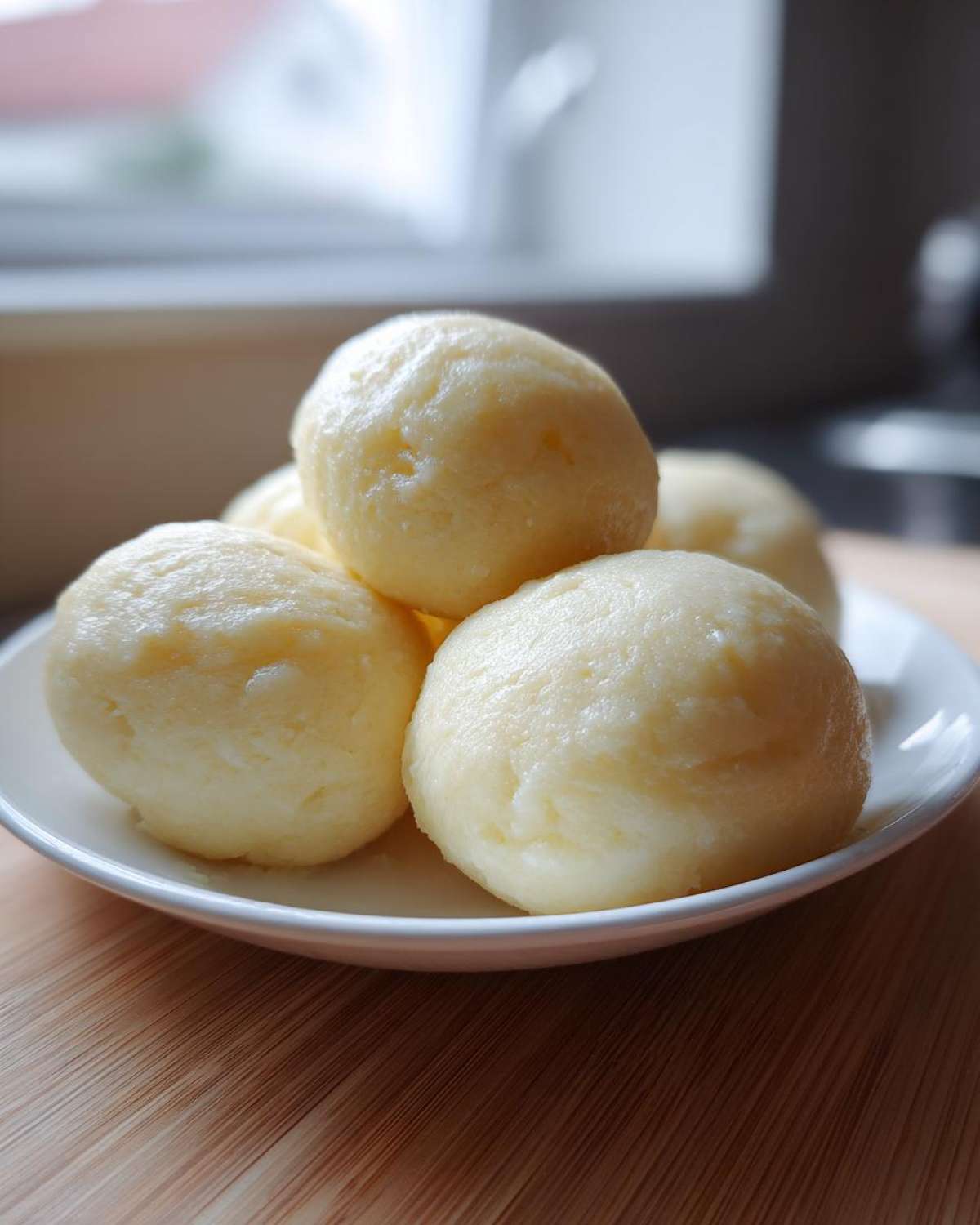
Once the water is boiling, start sprinkling the flour mix in slowly. Do this gently. Stir vigorously with your wooden spoon.
Keep stirring until the mixture turns into a sticky, thick mass. It will look strange at first. Keep going; you are doing great!
Steaming and Final Smoothness for Your Fufu
Reduce the heat way down low now. Cover the pot tightly. Let this dough steam for about five to seven minutes.
Next, take it off the heat. Slowly add that last half cup of water. Stir constantly until the dough becomes elastic. This step perfects your fufu dough.
Achieving the Authentic Pounded Texture
Transfer the hot dough to a strong bowl. Dip your spoon in water first. Now, you must pound and fold it hard. Do this for ten to fifteen minutes.
This pounding develops the real chew. If pounding feels too much, use a strong food processor. Blend it with a little hot water until it’s smooth. Either way, the resulting fufu must be uniform.
Tips for Achieving a Great Fufu Consistency
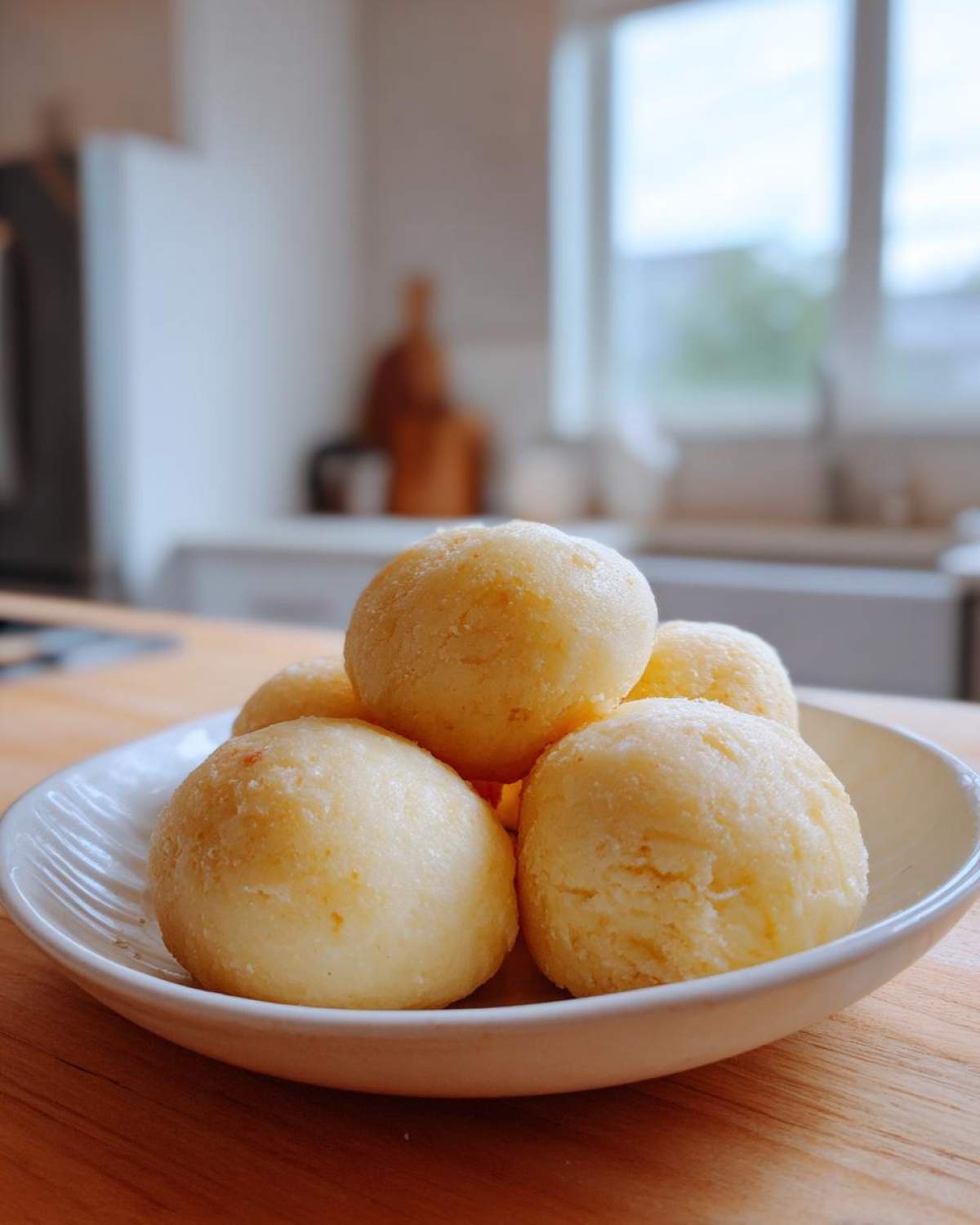
Getting that perfect, silky smooth texture can feel tricky. I learned this through many sticky kitchen sessions. Don’t worry if your first attempt isn’t perfect.
Consistency is the soul of good fufu. Here are my best kitchen secrets for success. These little tweaks make a huge difference.
- If the dough feels too stiff while mixing, stop! Add hot water slowly. A teaspoon at a time helps.
- Keep stirring constantly when adding flour. This is non-negotiable for lump-free results.
- The pounding step is where the magic happens. Don’t stop early. You want uniform elasticity in your fufu.
- If you use garri, taste it first. Some brands are more sour. This affects the final flavor profile.
- Remember that the dough firms up as it cools. Pull it off the heat slightly before it looks perfectly done.
Trust your instincts during the final mixing stage. This feeling develops over time. Soon, making this staple will feel completely natural.
Serving Suggestions for Your West African Fufu
This smooth dough is ready to meet its destiny. It waits patiently for a flavorful companion. Think of it as the perfect edible spoon.
You need a soup or stew with bold flavor. The blandness of the dough balances the richness perfectly. My favorite pairings bring me right back home.
Here are the classic dishes that deserve to be scooped up with your creation:
- Egusi Soup: This melon seed soup is rich and savory. It is a mandatory pairing for many.
- Groundnut Soup: Also known as Peanut Soup. The creamy, nutty broth clings beautifully to the dough.
- Light Vegetable Stews: If you prefer something lighter, try a spinach or okra stew. They offer great contrast.
- Light Soup: A clear, flavorful broth often made with goat meat or fish. It’s simple yet deeply satisfying.
When serving, divide the dough into small, manageable balls. Place one ball on each plate. Ladle your chosen soup right next to it. Don’t forget to offer a clean spoon, but most people prefer using their fingers for scooping!
Storing and Reheating Leftover Fufu
What happens when you have leftovers? Don’t worry about waste. We can save this dough easily. Leftover fufu needs a little care.
It stiffens up quickly once it cools down. That’s just the starch structure settling in. Storing it right keeps it usable for later.
For short storage, wrap the remaining fufu tightly. Use plastic wrap first. Then place it in an airtight container. This keeps air out. It should last about two days in the fridge.
Reheating takes a little moisture. This brings back the soft texture. Add a splash of hot water to the dough. Microwave it in short bursts. Stir well between each heating cycle.
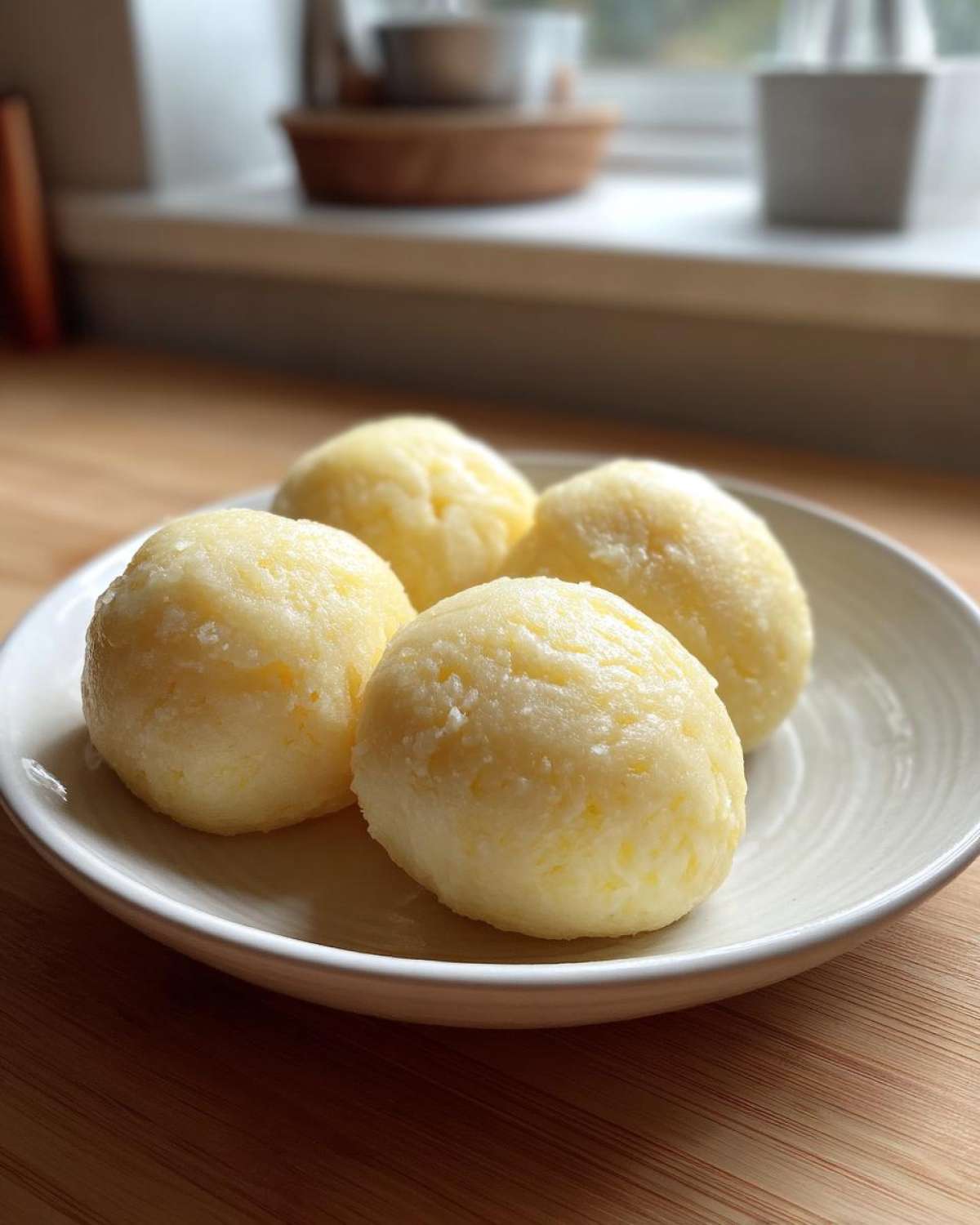
Alternatively, you can steam the fufu again. Steaming works wonders for restoring moisture. This method gives the best results for your leftover fufu. It tastes almost as good as fresh!
Frequently Asked Questions About Fufu
I know you might have a few lingering questions. Cooking new things often brings up queries. I get it! Let’s tackle the most common things people ask me.
These answers should help you feel confident next time you prepare this staple. We want everyone to enjoy this dish.
Can I use only cassava flour to make fufu?
Yes, absolutely, you can! If you only have cassava flour, use two cups of it. That makes a classic cassava fufu.
It will be slightly denser than the blend we made. Some people prefer this texture anyway. It still scoops soup beautifully.
What is the difference between garri and cassava flour for fufu making?
This is a great question about ingredients. Garri is essentially pre-cooked, dried, and ground cassava.
Cassava flour is usually made from raw, dried cassava root. Garri dissolves faster when mixing. It can sometimes result in a slightly grainier texture if it is coarse. Cassava processing is an important step for many staple foods.
For the smoothest result, use fine garri or true cassava flour. Taste your garri first for sourness.
How do I stop my fufu from becoming hard?
Hardness happens when moisture leaves the dough too fast. The primary culprit is often not adding enough water during the final mixing stage.
Make sure you add that last bit of hot water gradually. Pound it well until it’s truly elastic. Reheating leftovers also needs moisture added back in. Never reheat dry fufu directly.
Nutritional Estimates for This Fufu Recipe
Liam always asks about the numbers. He loves tracking macros. I remind him food is more about feeling!
Here is a general guide for one serving ball. Please remember this is just an estimate, okay?
Actual values change based on your flour brands. Ingredient sourcing matters a lot here. We are using the 50/50 cassava and plantain mix.
- Serving Size: One ball
- Calories: Around 180
- Carbohydrates: High, as expected for a root staple.
- Fat: Very Low content overall.
- Protein: Low, this is primarily a starch dish.
- Fiber: Moderate amounts are present.
This food provides great energy for your day. It’s a fantastic base for nutrient-dense soups. Enjoy it as part of a balanced plate. For more information on staple food nutrition, check out resources like the World Health Organization on Nutrition.
Think of this as fuel for fun and play. We are not counting every single calorie here. We are cooking with love!
Share Your Fufu Cooking Experience
Now you have the script for your own kitchen performance. I truly hope you had fun making this staple.
Did your dough turn out smooth and elastic? Tell me about your blending versus pounding adventure. I love hearing your kitchen stories.
Don’t keep your culinary triumphs a secret. Come back and share them below. Your feedback helps other cooks so much.
Rate this recipe using the stars above. A simple rating tells us a lot. Did you pair it with a delicious Egusi soup? If you need ideas for other great meals, check out our homemade chicken ramen bowls.
We read every single comment we receive. Sharing your photos is the best part of my day. Let’s build this community together.
What dish will you try next week? Keep that joyful, playful spirit alive in your cooking!
Print
Amazing fufu: 1 secret for smooth dough
- Total Time: 35 minutes
- Yield: 4 servings 1x
- Diet: Vegetarian
Description
Make authentic West African Fufu with this simple guide. This recipe blends cassava and plantain for a perfect, smooth dough that pairs wonderfully with your favorite soups and stews. Let’s bring joy and connection to your kitchen.
Ingredients
- 1 cup Cassava flour (or garri)
- 1 cup Plantain flour (or use all cassava/plantain)
- 3 cups Water (approximate)
- Optional: A small piece of cooked yam or sweet potato for pounding
Instructions
- In a medium pot, bring 2.5 cups of water to a boil over medium-high heat.
- In a separate bowl, mix the cassava flour and plantain flour together.
- Slowly sprinkle the flour mixture into the boiling water while stirring vigorously with a wooden spoon to prevent lumps.
- Continue stirring and mixing until the mixture thickens into a sticky mass.
- Reduce the heat to low. Cover the pot and let it steam for about 5 to 7 minutes.
- Remove the pot from the heat. Add the remaining 1/2 cup of water gradually, stirring constantly until the dough is smooth and elastic.
- If using the traditional method, transfer the hot dough to a sturdy bowl. Dip your wooden spoon in water and begin pounding and folding the dough vigorously for 10 to 15 minutes until it is very smooth and uniform. (If blending, use a strong food processor with a little hot water to achieve a smooth texture).
- Form the fufu into small, smooth balls for serving.
Notes
- Fufu consistency is key; keep adding small amounts of hot water while mixing if it feels too stiff.
- Pounding develops the texture; do not skip this step if you want the authentic chew.
- Serve immediately while hot with soups like Egusi, Peanut Soup, or light vegetable stews.
- We encourage you to play with the ratio of cassava to plantain based on what you have available.
- Prep Time: 10 minutes
- Cook Time: 25 minutes
- Category: Staple/Side Dish
- Method: Boiling and Pounding/Blending
- Cuisine: West African
Nutrition
- Serving Size: 1 ball
- Calories: Approx. 180
- Sugar: Low
- Sodium: Low
- Fat: Very Low
- Saturated Fat: Trace
- Unsaturated Fat: Trace
- Trans Fat: 0g
- Carbohydrates: High
- Fiber: Moderate
- Protein: Low
- Cholesterol: 0mg