
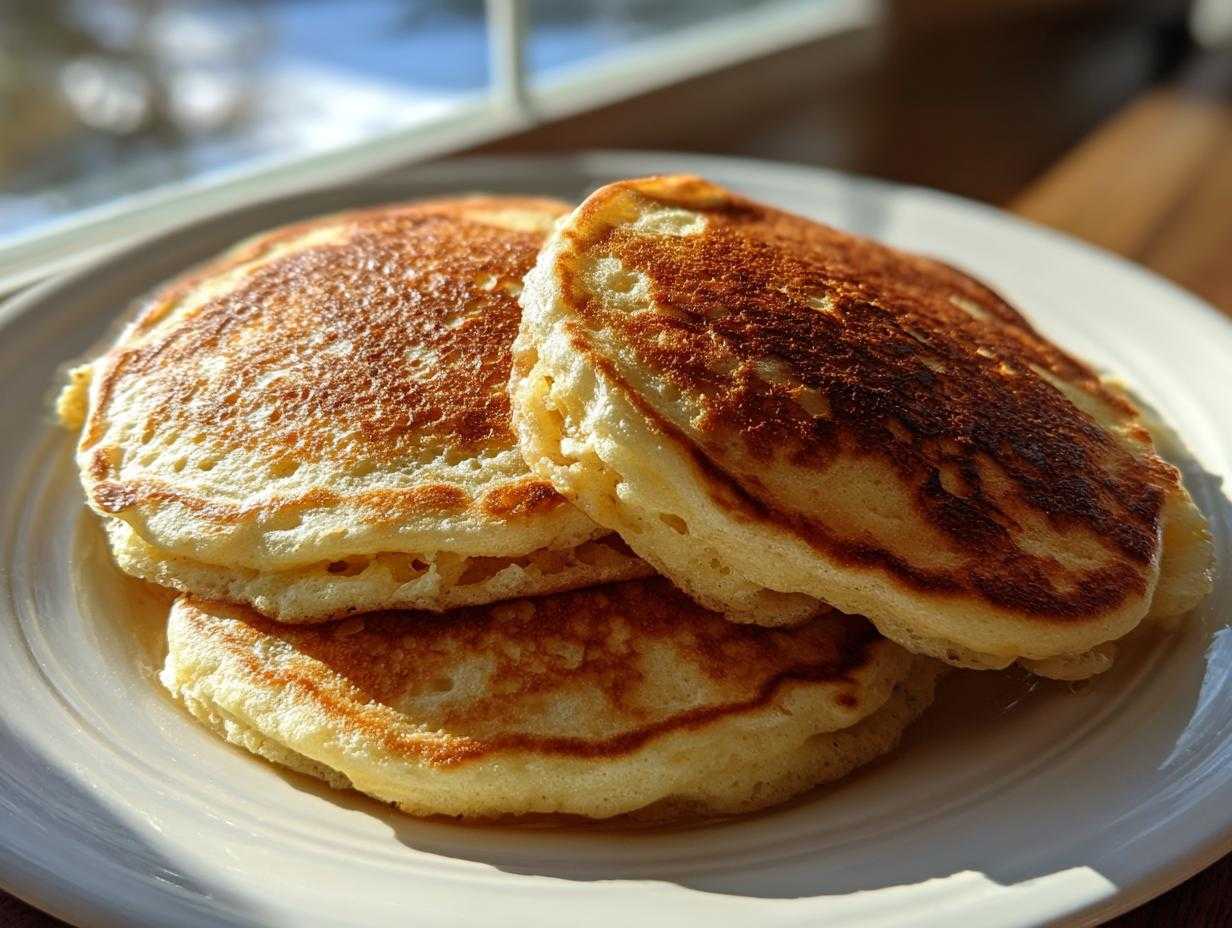
Oh, weekend mornings. There’s nothing quite like that smell drifting from the kitchen, signaling it’s time for a real breakfast, right? Forget thin, sad discs of batter; we are making the real deal today! I’m sharing what I truly believe are The Absolute Best Fluffy Old-Fashioned Buttermilk Pancakes you’ll ever have. I spent years chasing that perfect, thick, airy cloud texture in my pancakes. I tried everything—more baking powder, less stirring, special flours—until I landed right back here with the classics. Trust me, once you nail this simple technique, you’ll never look back. They are totally worth pulling out the mixing bowls for!
Why These Are The Best Fluffy Old-Fashioned Pancakes
I think what sets these apart as the Best Fluffy Pancakes isn’t some exotic ingredient; it’s honoring a couple of old-school techniques. Most recipes fail because people rush them. We are not rushing anything! The reaction between the acid in the buttermilk and the baking agents is what gives you that incredible lift, turning them into a Thick and Fluffy Breakfast treat. If you follow the instruction to let the batter rest, I promise you’ll see huge results.
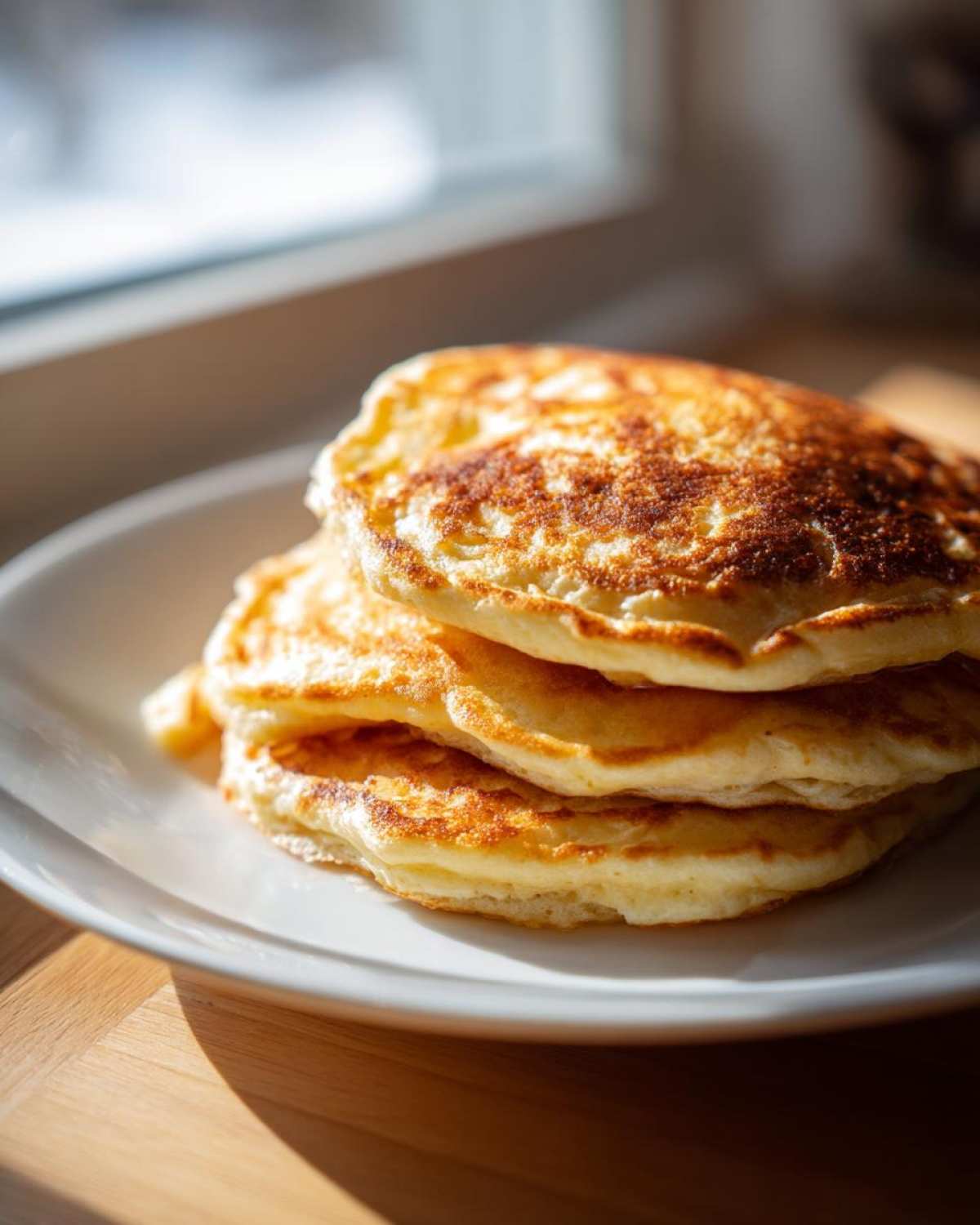
It’s the secret sauce, really. Everything that happens after mixing is just as important as what happens before. You can read a little more about how I finally landed on this perfect technique here: this foolproof pancake recipe just works every time.
Achieving Light and Airy Pancakes Texture
It all comes down to chemistry, but don’t let that scare you! When the acidic buttermilk hits the baking soda and baking powder, it immediately starts bubbling up CO2 tiny air pockets. These little bubbles are what give you those Light and Airy Pancakes. You need to keep those bubbles intact, which is why we never, ever overmix the batter. Overmixing pops those bubbles, and poof! You end up with thick, sad, flat pancakes instead of the fluffy towers we want.
Essential Ingredients for Perfect Pancakes
I always tell people that mastering homemade pancakes starts with respecting your ingredients, even simple pantry staples. You simply can’t skimp here! We need flour, sugar, baking powder for lift, baking soda to react with the buttermilk, and salt for flavor balance. The two real stars, though, are the buttermilk and the eggs. Make sure your two large eggs are just cracked into a bowl, and definitely melt that unsalted butter until it’s liquid gold. Treating these components right sets us up for success.
If you are looking for other great breakfast ideas, I have a fantastic oatmeal version too, though they cook up slightly differently; you can check that recipe out here.
Buttermilk Substitution for Classic Pancakes
What if you’re staring at your fridge and realize you’re completely out of buttermilk for these classic pancakes? Don’t panic! I have you covered. Just stir 2 tablespoons of regular white vinegar or fresh lemon juice into 2 cups of regular milk. Let that sit on the counter for about five minutes while you gather your dry stuff. It curdles slightly, and voilà—instant buttermilk substitute that reacts perfectly with the other ingredients!
Step-by-Step Instructions for Foolproof Pancakes
Alright, let’s get mixing! This process is so straightforward, but paying attention to a couple of little moments makes all the difference between good pancakes and these spectacular, foolproof pancakes. First things first: combine all your dry ingredients—flour, sugar, baking powder, baking soda, and salt—in a big bowl. Whisk them really well to distribute everything evenly. No one wants a bite that’s pure salt, right?
Next, handle the wet stuff separately. Whisk your 2 cups of buttermilk with the 2 eggs in a medium bowl. Then, pour that wet mixture right into your dry ingredients. Here is the most important part, seriously: whisk gently until they are *just* combined. I mean it—a few lumps are totally fine! If you spend too long trying to remove every single lump, you are developing gluten, and that leads to tough pancakes. After a light whisking, stir in your 4 tablespoons of melted butter. Now, let that batter sit at room temperature for a solid 5 minutes. This resting time lets the baking powder get happy and ready to lift!
If you’re cooking for a big crowd, I have a super fun way to manage that using a baking sheet, which you can find the instructions for here, but for a standard batch, we keep it classic.
Pancake Cooking Secrets for Golden Brown Pancakes
Get your griddle or a big non-stick skillet heating up over medium heat. You want it warm enough to sizzle just slightly when you drop in a tiny bit of butter. Pour about a quarter cup of batter for each one. You’ll know it’s time to flip when those lovely bubbles appear on the surface AND the edges start to look dry and set—don’t flip early! Cook the second side for just a minute or two until it’s golden. If you aren’t eating them immediately, keep them in a single layer on a baking sheet inside a 200°F oven to keep that perfect texture until everyone is ready to eat. For more foundational tips that help with any quick breakfast, check out my oatmeal pancake guide!
Tips for Making Better Homemade Pancakes
So you’ve mixed your batter, but what if things still go sideways? Don’t stress, even the best cooks have off days! The number one complaint I hear is that people end up with flat homemade pancakes, and that always comes down to two things: chemistry or mixing. If your batter is too thin, it spreads out before it can rise, so you must trust the recipe’s ratios in this Simple Pancake Batter.
If you’re struggling with bubbles not showing up on top, your heat is probably too low. If your batter is sitting there just slowly melting the butter instead of forming little islands, crank that heat up just a touch! Understanding how the heat interacts with the batter is one of the biggest Pancake Cooking Secrets. For another incredibly reliable classic recipe, check out what the folks at King Arthur are doing with their buttermilk version over here. Sometimes seeing another professional approach helps lock in your own technique!
Variations on Classic American Pancakes
Once you’ve mastered the basic technique for these wonderfully thick, Classic American Pancakes, it’s time to have some fun! The magic of this base batter is how beautifully it accepts mix-ins. My favorite way to level up for a special holiday brunch is adding a handful of fresh or frozen blueberries right after you pour the batter onto the griddle, being careful not to stir them in beforehand.
If you are feeling extra decadent, try a cinnamon swirl! Mix about 1/4 cup of brown sugar with a teaspoon of cinnamon and a tiny splash of melted butter. Drizzle that right over the batter on the hot griddle *after* you pour it. It creates this gorgeous, slightly caramelized ribbon throughout the pancake. If you love that rich, sweet flavor profile, you absolutely have to see my recipe for my Red Velvet Pancakes—they use a similar approach to make breakfast feel like dessert!
Serving Suggestions for Your Weekend Brunch Pancakes
While a drizzle of pure maple syrup is always a classic winner, these light and fluffy creations deserve some fancier company on the plate! Since these pancakes are absolutely perfect for those slow, indulgent Weekend Brunch Recipes, I like to elevate the spread. My go-to right now is a quick warm fruit compote—just toss some sliced peaches or berries in a pan with a tablespoon of sugar until they start weeping juice.
If you’re feeling savory on the side, don’t be afraid to balance that sweetness with a few slices of crispy bacon or some great sausage patties. And if you happen to be making muffins for the side, you might want to check out my Cranberry Orange Muffins; they balance the meal beautifully!
Storage and Make Ahead Pancakes Tips
Nobody wants to wash dishes after making pancakes, and honestly, who has time to cook every morning? The good news is these are great for planning ahead! You can definitely make Make Ahead Pancakes by freezing them. Once they are completely cool, lay them in a single layer on a baking sheet lined with parchment paper and pop them in the freezer until solid. Then, transfer them to a zip-top bag.
To reheat, I skip the microwave entirely (it makes them rubbery!). Pop them directly into a toaster set to medium, or just lay them on a warm baking sheet in the oven at about 350°F for about 5 minutes until they are warmed through and slightly crisp at the edges again. They taste almost as good as fresh!
Frequently Asked Questions About Fluffy Pancakes
I always find that after making a new recipe once, a few little questions pop up, usually about how to tweak it next time. These are the questions I get asked the most about achieving the fluffiest result when people try my Easy Homemade Pancakes Recipe.
Why did my pancakes turn out flat even though I followed the instructions?
Nine times out of ten, it’s one of two things: either your leavening agents (baking powder/soda) are old and didn’t react properly, or you overmixed the batter. If you mixed until it was perfectly smooth, you ruined the air bubbles we worked so hard to create! For perfect From Scratch Pancakes, lumps are your friends.
Can I use regular milk instead of buttermilk in a pinch?
Totally! I already mentioned the vinegar trick, but yes, you can swap it. If you don’t have buttermilk, use regular whole milk, but make sure you slightly increase the baking soda by about 1/2 teaspoon to make sure you have enough acid to react and get that good lift we want in these thick pancakes. It won’t be quite as tangy, but it works!
How do I get them perfectly golden brown and not burnt?
Heat management is everything on the griddle. Medium heat is the sweet spot, but honestly, every stovetop is different. If you put a drop of water on the surface and it sizzles and evaporates immediately, you’re close. If it jumps around like a manic little bead, it’s too hot! Always start by cooking the first one a little lower just to gauge your surface temperature. Learning to cook these pancakes is like learning a new dance!
Can this batter be made ahead of time?
You really shouldn’t leave the batter sitting for more than 10 minutes before cooking it because the baking powder starts to lose its power quickly. If you need to prep ahead, mix all the dry ingredients together and keep them in one airtight container. Mix the buttermilk and eggs and keep them separate in the fridge. Then, when you are ready to cook, melt the butter, mix the wet ingredients, and combine everything right there, letting it rest for just 5 minutes before hitting the griddle. You can see how I organize my recipes for make-ahead cooking here if you like batch cooking!
Estimated Nutrition for These Pancakes
Okay, let’s talk fuel! While these are definitely a sweet breakfast treat, they aren’t terribly heavy if you stick to the recipe measurements. Remember, these numbers are just estimates based on the ingredients listed—how much butter you use on the griddle or how much syrup you drown them in will totally change the final tally, of course!
For one standard pancake, based on our recipe yielding about 12, here is what we are generally looking at:
- Calories: About 190
- Total Fat: 7 grams (with 4 grams of that being saturated fat, thanks to that lovely butter!)
- Carbohydrates: 27 grams
- Protein: 7 grams
- Sugar: Just 4 grams (before you pour on the maple syrup, naturally!)
I always say that the carbs are what fuel your fun morning exploring or playing with the kids, and the protein helps keep you full until lunch. It’s a well-rounded start for your Sunday brunch!
Print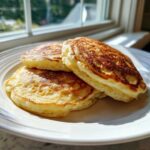
The Absolute Best Fluffy Old-Fashioned Buttermilk Pancakes
- Total Time: 25 min
- Yield: About 12 pancakes 1x
- Diet: Vegetarian
Description
A simple recipe for thick, light, and airy buttermilk pancakes made from scratch, perfect for a weekend breakfast.
Ingredients
- 2 cups all-purpose flour
- 2 tablespoons granulated sugar
- 2 teaspoons baking powder
- 1 teaspoon baking soda
- 1 teaspoon salt
- 2 cups buttermilk
- 2 large eggs
- 4 tablespoons unsalted butter, melted, plus more for the griddle
Instructions
- Combine the flour, sugar, baking powder, baking soda, and salt in a large bowl. Whisk them together well.
- In a separate medium bowl, whisk together the buttermilk and eggs until combined.
- Pour the wet ingredients into the dry ingredients. Gently whisk until just combined. Do not overmix; a few lumps are fine.
- Stir in the 4 tablespoons of melted butter. Let the batter rest at room temperature for 5 minutes.
- Heat a lightly oiled griddle or large non-stick skillet over medium heat. Lightly grease the surface with butter or cooking spray.
- Pour about 1/4 cup of batter onto the hot griddle for each pancake.
- Cook for 2 to 3 minutes per side. You know it is time to flip when bubbles appear on the surface and the edges look set.
- Flip the pancakes and cook the second side until golden brown, about 1 to 2 minutes more.
- Serve immediately with your favorite toppings.
Notes
- For extra fluffy pancakes, do not stir the batter after it rests.
- If you do not have buttermilk, mix 2 tablespoons of white vinegar or lemon juice into 2 cups of regular milk and let it sit for 5 minutes before using.
- Keep finished pancakes warm in a single layer on a baking sheet in a 200F oven while you cook the remaining batter.
- Prep Time: 10 min
- Cook Time: 15 min
- Category: Breakfast
- Method: Griddling
- Cuisine: American
Nutrition
- Serving Size: 1 pancake
- Calories: 190
- Sugar: 4
- Sodium: 350
- Fat: 7
- Saturated Fat: 4
- Unsaturated Fat: 3
- Trans Fat: 0
- Carbohydrates: 27
- Fiber: 1
- Protein: 7
- Cholesterol: 55