
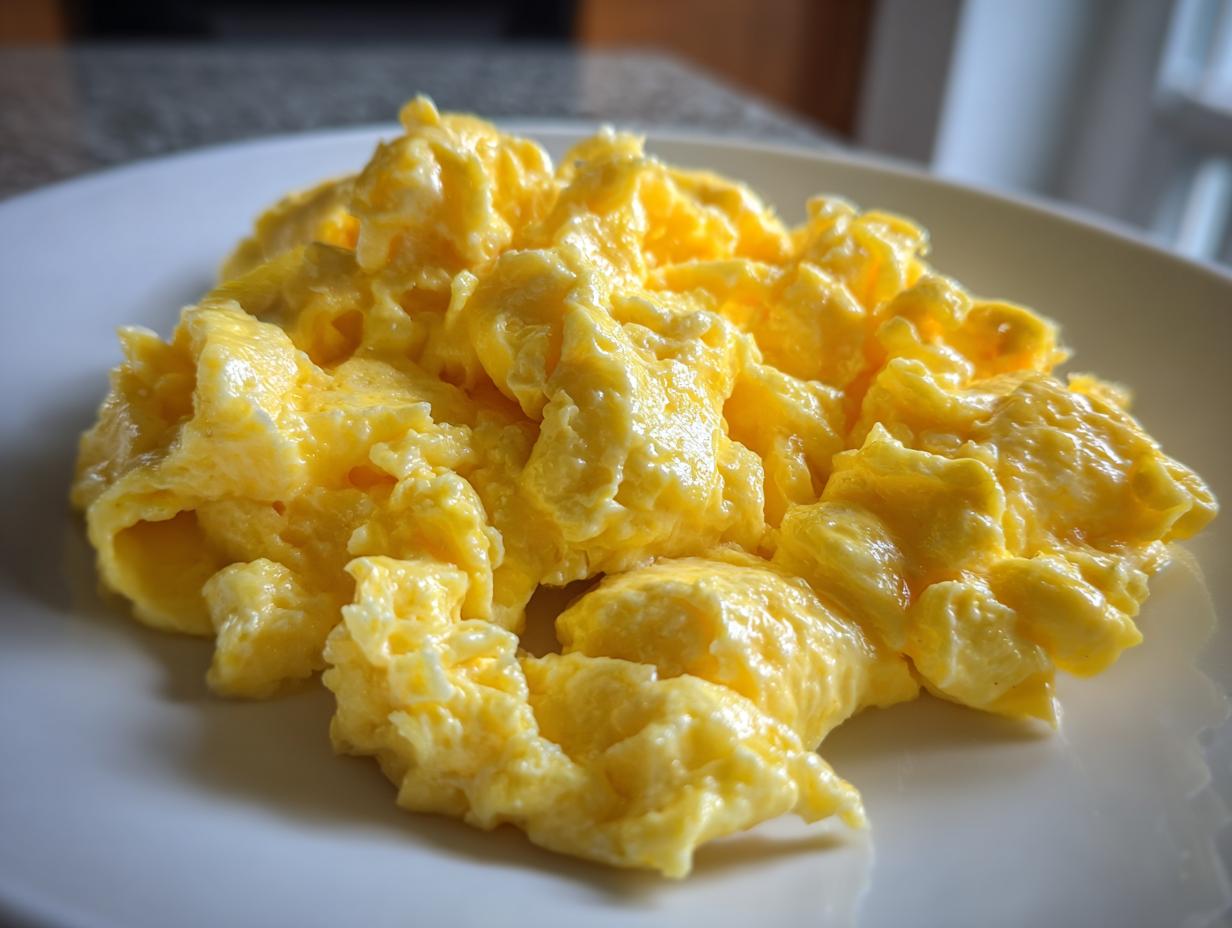
Oh my gosh, let me tell you, finding breakfast perfection used to feel impossible. Every morning was a gamble: were we getting dry, crumbly sadness or watery curdled mush? It took me years, countless burnt pans, and yelling at the stove before I finally cracked the code on truly amazing scrambled eggs. Forget everything you think you know about scrambling fast! This method—the low and slow way I learned from a very particular French chef—guarantees you get that beautiful blend: incredibly fluffy and impossibly creamy texture, all in about ten minutes. This is the ultimate comfort food morning meal, my friend, and I’m so excited for you to try it.
Why This Recipe Makes the Best Fluffy and Creamy Scrambled Eggs
If you thought great eggs were just about speed, think again! This recipe is different because it respects the process. We focus on texture above all else, which is why we end up with the best results, every single time. It’s fast enough for a busy morning but treats the eggs gently enough for a gourmet breakfast.
- Dual Texture Success: You’re finally getting that dreamy, velvety softness without any hint of dryness in sight.
- Super Simple: Honestly, once you master the heat setting, it’s practically hands-off cooking. It’s one of the easiest breakfast recipes you’ll ever attempt.
- Perfect Consistency: We aim for large, soft curds rather than tiny, stiff flakes that tend to happen when you cook too fast.
You can check out my favorite pancake recipe if you need a break from eggs sometime, but trust me, these scrambled ones are worth sticking to! Try these easy fluffy oatmeal pancakes next!
Achieving Perfect Egg Texture Tips
The secret is temperature control, period. We cook these eggs over **low heat**—I mean the absolute lowest setting your stove has. High heat forces the proteins to seize up immediately, squeezing out all the moisture and ending up with rubbery little bits. Slow cooking allows the fat (butter!) and the liquid (milk/cream) to emulsify properly with the eggs. This keeps everything velvety and traps pockets of air, making them genuinely fluffy. It takes patience, but the payoff is huge!
Gathering Ingredients for Perfect Scrambled Eggs
Okay, this recipe shines because we use simple, quality ingredients. You don’t need a huge grocery run for this; it’s perfect for a five-minute breakfast! But how you prep them makes a difference, even for something as basic as scrambled eggs. Make sure you grab those three large eggs and have your butter ready to go. I always use whole milk or heavy cream here—water just doesn’t give us that luxurious, rich mouthfeel we are aiming for.
- 3 large eggs (try to let them sit out for 10 minutes first!)
- 1 tablespoon whole milk or heavy cream
- 1 teaspoon unsalted butter
- Pinch of salt
- Pinch of black pepper
Ingredient Notes and Substitutions
When deciding on dairy, heavy cream is your secret weapon for that super rich, almost custardy texture. Milk works fine for a slightly lighter result, leaning more towards the fluffy side. Now, about the salt: I know some people swear by adding salt right at the beginning, but I often add mine *after* the eggs are mostly cooked, right before I take them off the heat. Why? Adding salt too early can sometimes break down the proteins, making the eggs weep a little. You can absolutely swap the butter for a little bit of high-quality olive oil, but butter just adds that classic, comforting flavor profile we love. Keep the fat high; that’s crucial for texture!
How To Make Creamy Scrambled Eggs: Step-by-Step Instructions
This is where the magic happens, so pay attention! We are moving *slowly* here. This isn’t the quick scramble you make when you are running out the door. We are aiming for large, luscious curds that melt in your mouth. Start by grabbing your best non-stick pan—seriously, don’t skimp on the pan quality here, it makes clean-up a breeze! Set that skillet over the lowest heat you can manage. We want barely a sizzle when the butter goes in.
- First, crack those eggs into a bowl with your milk or cream and whisk like crazy! You want them frothy and totally uniform.
- Drop that teaspoon of butter into the barely warm pan. Let it melt completely until it’s just starting to foam—that’s your signal.
- Pour the entire, whisked egg mixture right in! Now, step one is the hardest part: Do nothing for about thirty seconds. Just let the edges barely start to look set.
- Next comes the gentle push. Take your heat-resistant rubber spatula and gently push the cooked egg from the outer edge toward the center. Tilt the pan so the runny egg flows right into the empty, warm space you created.
- Keep repeating that slow pushing and folding motion. Don’t rapidly stir! We are building those big, soft curds. This takes time, maybe five to eight minutes total for perfect scrambled eggs.
- The absolute most important part: When the eggs look glossy, slightly wet, but totally no longer runny, immediately take the pan off the heat! Residual heat will finish the job perfectly as you plate them. If you wait until they look ‘done’ in the pan, they will be sadly overcooked on the plate.
If you just finished those, maybe give this creamy avocado egg salad a try for lunch tomorrow! And remember, if you ever need a break from the egg routine, these easy fluffy oatmeal pancakes are always a hit!
Mastering Breakfast Eggs: Pro Techniques
To really elevate these into gourmet egg breakfast status, I have a few non-negotiables. First, always use a flexible, heat-resistant silicone spatula rather than a wooden spoon. The silicone lets you scrape every bit of softly cooked egg off the bottom without breaking up your curds too much. Second, always use a non-stick pan—don’t even bother with stainless steel unless you want to spend ten minutes scrubbing solidified egg proteins off the bottom! Finally, when you start the pushing process, make sure you are using your spatula to cut the eggs into large, sweeping sections. This creates those gorgeous, big folds versus the tiny, dry crumbles you see everywhere else. We want softness!
Variations for Your Scrambled Eggs
The beauty of mastering this base technique is how easily you can pivot into other delicious comfort food morning meals! Once you have your soft, glossy base, adding secondary ingredients is simple. You can customize these scrambled eggs to fit whatever mood you’re in, whether you want something sharp and savory or just a little herb garden freshness on top. If you’re looking for something completely different, I have a fun deviled egg pasta salad recipe, but for breakfast, these simple additions are perfect.
Scrambled Eggs with Cheese: This is a classic pairing, but remember, the trick is timing! Never add the cheese while the eggs are still very raw. Wait until the eggs are about 80% cooked—that glossy stage right before you pull them off the heat. Toss in about a quarter cup of softly shredded cheddar, Monterey Jack, or a good Gruyère. Fold the mixture gently just once or twice until the cheese is melted and stretchy. It adds a wonderful richness!
Scrambled Eggs with Chives: If you want a little bright flavor pop, fresh chives are the way to go. Chop them super finely, and ONLY sprinkle them over the eggs *after* you’ve taken the pan off the heat. Chives have a delicate flavor, and cooking them actually turns them a drab green and makes them bitter. A light garnish right before serving gives you that beautiful color and fresh bite, turning your simple eggs into a more gourmet egg breakfast experience.
If you make a big batch, remember these are one of those dishes that taste best fresh off the pan, but you can store leftovers carefully!
Storage & Reheating Instructions for Leftover Scrambled Eggs
Okay, let’s talk about leftovers, because while these scrambled eggs are truly best eaten piping hot right off the stove, sometimes life happens! If you made a double batch (smart move, by the way), you need to store them correctly so they don’t turn into sad, rubbery discs when you reheat them later. The absolute best thing you can do is store them in an airtight container in the fridge right away. Don’t let them cool down on the counter too long!
The key to waking up refrigerated eggs is moisture. You must add liquid back in when reheating, or they will be dry and crumbly—we are strictly avoiding dry eggs here! Set your pan over *very* low heat, just like when you made them the first time. Toss your leftover eggs in, and immediately add a small splash of milk, cream, or even just a teaspoon of water per serving. Seriously, just a tiny bit!
Gently fold them, letting that little bit of moisture turn back into steam. This process effectively re-hydrates them. They won’t be *quite* as cloud-like as the fresh batch, but they will still be soft cooked eggs, much closer to that creamy texture you love than if you microwaved them dry. Speaking of microwaving—if you absolutely must, use 50% power in short 15-second bursts, stirring in between, with that splash of liquid firmly in place!
Serving Suggestions for Your Scrambled Eggs Breakfast
So, you’ve nailed the texture—your scrambled eggs are perfectly custardy and fluffy! Now what? A masterpiece deserves excellent framing, right? I always think of breakfast as this foundational meal, so the side dishes should either keep things simple and wholesome or go full-on comfort food indulgence. These eggs are so versatile that they pair well with nearly anything, whether you’re keeping it low carb or going all out.
For a classic, hearty start, you can’t go wrong with crispy bacon or sausage. The slight saltiness and crunch offer a fantastic contrast to the richness of the eggs. If you’re looking for something lighter but still satisfying, a simple side of lightly dressed greens—maybe some arugula tossed with a squeeze of lemon—adds a great peppery freshness. It balances out the fat perfectly!
If you’re doing the toast thing, make it count! Instead of plain white bread, try a nice, sturdy sourdough. My recent obsession is loading that toast up first. You absolutely have to check out my recipe for the perfect base layer, avocado toast with a drizzle—even though that recipe focuses on poached eggs, the avocado base works beautifully under soft scrambled eggs too. If you don’t want to switch techniques, just toast a thick slice and smear it with real salted butter. Let that rich flavor mingle with your soft curds.
No matter what you choose, remember that these eggs cook so fast that your sides should be mostly ready when the eggs are done. It’s all about timing so that everything hits the plate hot and ready to eat! These simple pairings turn a quick meal into a wonderful, wholesome morning food experience.
Frequently Asked Questions About Scrambled Eggs
I get so many questions about eggs because everyone seems to have a different treasured method! It’s fun comparing notes on what works best for different kitchens. Here are the top things folks always ask me about whipping up the perfect batch of scrambled eggs, whether you are aiming for incredible fluffiness or maximum creaminess.
Can I make fluffy scrambled eggs without milk?
Absolutely! This is one of those common debates, isn’t it? If your main goal is to achieve those towering, fluffy peaks, you can often get a better result by using a tiny splash of water instead of milk or cream. Why? Water turns to steam when it hits that warm pan, and that steam physically lifts the egg mixture, giving you that airy, light texture. Milk or cream, on the other hand, adds fat, which gives you rich, dense, and creamy eggs. So, for ultra-fluffy results, try water! For my signature hybrid recipe, I stick to cream for that decadent mouthfeel.
What is the secret to soft cooked eggs?
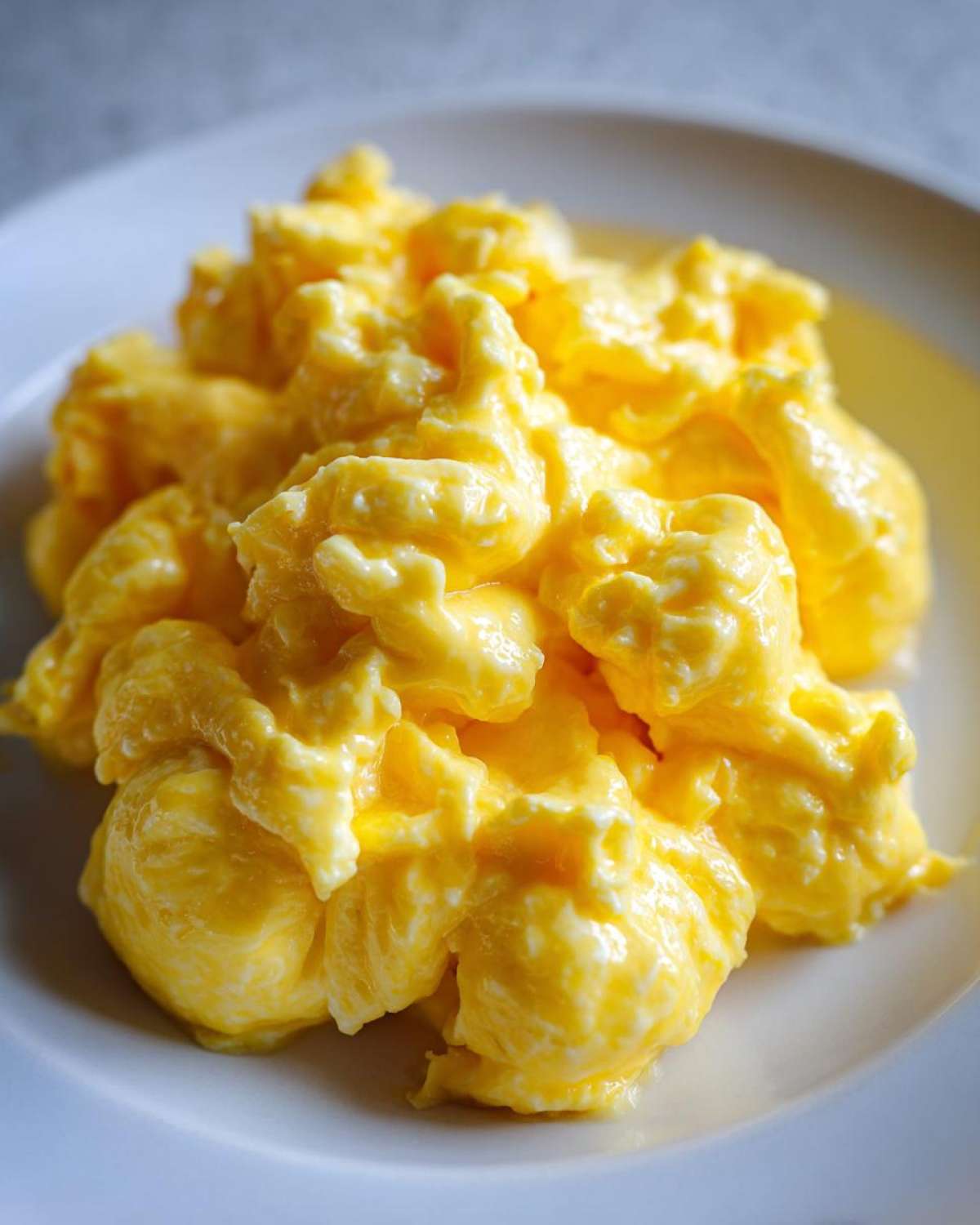
The true secret to those gorgeous, soft cooked eggs that look like velvet on your plate comes down to two things we talked about: very low heat and constant, gentle movement. You need to move them continuously but slowly—not whisking them around like a tornado! That slow movement ensures the curds are forming together in soft layers that catch the butter and moisture. But here’s the real keeper for those velvety scrambled eggs: You have to pull them off the burner when they still look slightly wetter than you think they should be. That residual heat clinging to the pan and the plate will cook them through the rest of the way without drying them out. If they look done in the pan, they will be overdone on the plate!
Are these scrambled eggs a good Low Carb Breakfast Eggs option?
You bet they are! If you’re watching carbs, this recipe is fantastic because the base ingredients—eggs, butter, and cream—are naturally very low in carbohydrates. This is a wonderful, wholesome morning food that keeps you feeling full without the sugar crash later. The only thing you have to watch out for is what you serve them with! If you pile them high on white toast or serve them next to pancakes, you’re defeating the purpose. Pair these delicious, low-carb eggs with some fresh avocado, sautéed mushrooms, or a side of grilled tomatoes instead. You’ll get a satisfying, high-protein, low-carb start to your day!
If you’re looking for a super speedy (though less fancy!) alternative, check out my two-minute microwave version for your busiest mornings!
Nutritional Estimate for Perfect Scrambled Eggs
I always feel a little strange posting official nutrition facts because honestly, when I’m making my ultimate comfort food morning meals, I’m not usually counting calories! But since we’re building the ultimate guide, I wanted to include an estimate based on standard measurements for this recipe. Keep in mind these are just ballpark figures based on the three eggs, whole milk, and butter used.
For one serving of these creamy, velvety scrambled eggs, you’re looking at something like this:
- Serving Size: 1 serving
- Calories: 210
- Sugar: 1g
- Sodium: 150mg
- Fat: 16g
- Saturated Fat: 8g
- Unsaturated Fat: 8g
- Trans Fat: 0g
- Carbohydrates: 2g
- Fiber: 0g
- Protein: 13g
- Cholesterol: 450mg
See? High protein, low carbs—perfect for a satisfying start to the day! Just a quick note, since this is for entertainment and basic guidance, you should always refer to my official nutritional disclaimer for any serious dietary planning. But for a quick gauge on this delicious, simple egg technique, there you have it!
Share Your Perfect Scrambled Eggs Experience
Well, that’s it! You are now armed with the knowledge to ditch those dry, disappointing morning scrambles forever. I truly hope your kitchen smells amazing right now and that you’re enjoying the fluffiest, creamiest scrambled eggs you’ve ever made. This recipe is a labor of love, and it took me way too long to perfect, so I really want to hear about your results!
Did you manage to keep the heat low enough? Tell me in the comments: Did you lean more towards the fluffy side, or did you end up with that luxurious, velvety coating that melts right on your tongue? Be honest!
If this method changed your morning game—and I bet it will!—please consider leaving a star rating below. It helps other home cooks find reliable, tried-and-true recipes like this one. And if you snap a picture of your perfectly glossy curds, tag me on social media! I absolutely love seeing your kitchen successes. Happy scrambling, and I’ll see you making another classic breakfast dish soon!
Print
The Ultimate Fluffy and Creamy Scrambled Eggs Recipe
- Total Time: 10 min
- Yield: 1 serving 1x
- Diet: Vegetarian
Description
Follow these simple steps to make perfectly fluffy and creamy scrambled eggs every time using a low and slow cooking method.
Ingredients
- 3 large eggs
- 1 tablespoon whole milk or heavy cream
- 1 teaspoon unsalted butter
- Pinch of salt
- Pinch of black pepper
Instructions
- Crack the eggs into a small bowl. Add the milk or cream, salt, and pepper. Whisk vigorously until the mixture is uniform and slightly frothy.
- Place a non-stick skillet over low heat. Add the butter and let it melt completely until it foams slightly.
- Pour the egg mixture into the skillet. Let the eggs sit undisturbed for about 30 seconds until the edges just begin to set.
- Using a heat-resistant spatula, gently push the cooked egg from the edge toward the center, tilting the pan so the uncooked egg flows underneath.
- Continue this slow pushing and folding motion every few seconds. Do not stir rapidly; you want large, soft curds.
- Cook until the eggs are mostly set but still look slightly wet and glossy. This usually takes 5 to 8 minutes on low heat.
- Remove the pan from the heat immediately. The residual heat will finish cooking them to a creamy consistency. Serve right away.
Notes
- For extra creaminess, stir in a teaspoon of crème fraîche or cream cheese just before removing from the heat.
- If you prefer fluffier eggs, whisk in a tiny splash of water instead of milk.
- For a gourmet touch, sprinkle finely chopped fresh chives over the eggs just before serving.
- Prep Time: 2 min
- Cook Time: 8 min
- Category: Breakfast
- Method: Stovetop Cooking
- Cuisine: American
Nutrition
- Serving Size: 1 serving
- Calories: 210
- Sugar: 1
- Sodium: 150
- Fat: 16
- Saturated Fat: 8
- Unsaturated Fat: 8
- Trans Fat: 0
- Carbohydrates: 2
- Fiber: 0
- Protein: 13
- Cholesterol: 450