
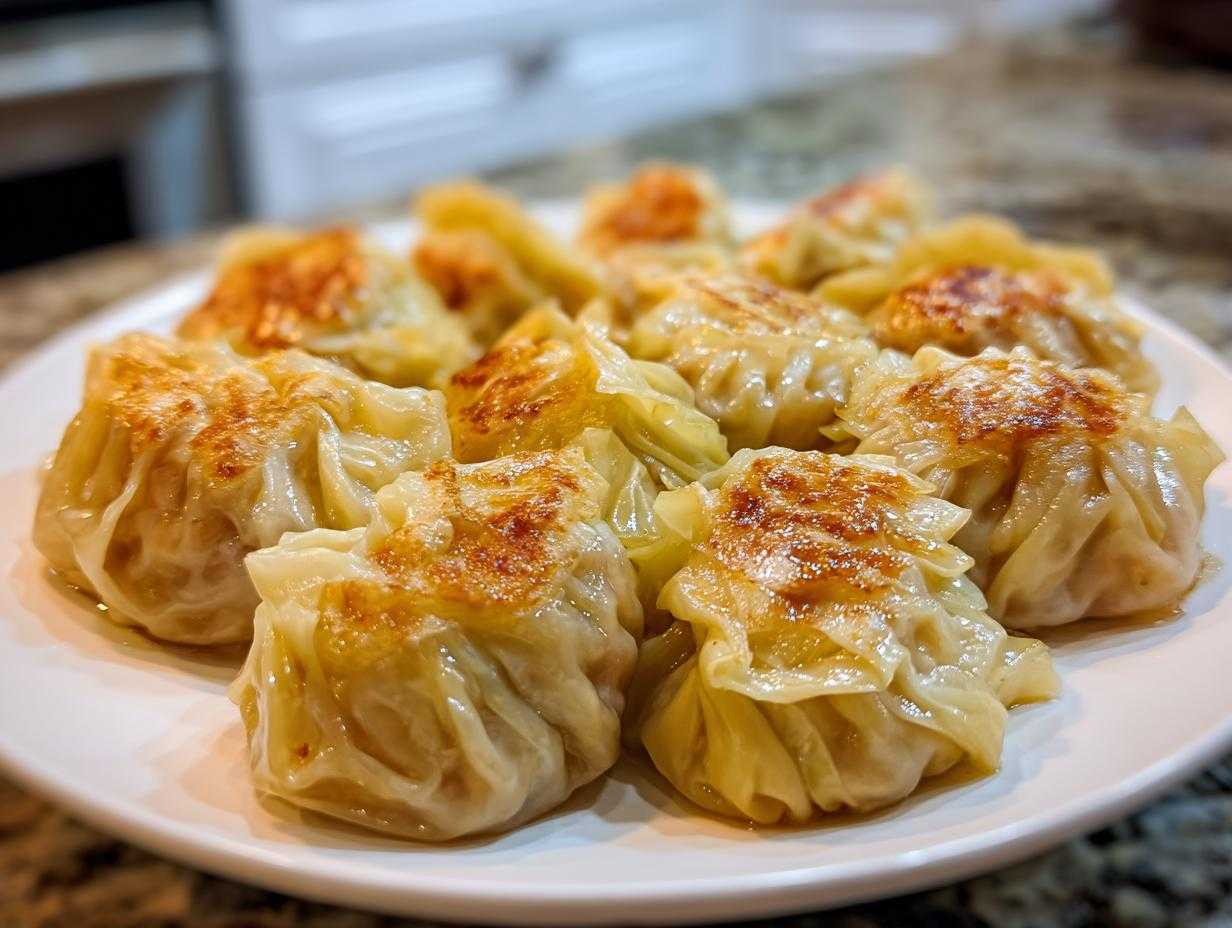
Oh, trust me when I say there’s no joy quite like pulling wrappers off a counter absolutely covered in perfectly pleated dumplings! For the longest time, Liam treated cooking like a sterile operation, but after I reminded him that food should feel like a hug, everything changed. We’re finally leaving the quiet lab phase behind, and that effort culminates right here. If you’ve ever thought you couldn’t master restaurant quality at home, prepare to be proven wrong. This **Traditional Chinese Dumplings** recipe is our absolute go-to guide for making everything from scratch—the dough, the filling, and even the sauce. It’s the secret to turning our kitchen into the happiest stage, and it feels like the coziest **Family Recipe Chinese Food** we could ever share!
Why Making Traditional Chinese Dumplings is Worth the Effort
I know, I know. Making jiaozi (the proper term for these beauties!) from scratch sounds like a weekend commitment. But honestly, once you start, you won’t go back. Liam used to grab the frozen ones, and while convenient, they just don’t have that soul we are aiming for here at Child Recipe. That’s why we always recommend diving deep into the art of wonton and dumpling making!
The payoff is huge. Think about it:
- The flavor is miles beyond anything you buy in a bag. Seriously, the fresh filling sings!
- There is such a massive sense of accomplishment when you realize you made the dough yourself.
- It turns cooking into a team sport. We put on music, and suddenly, folding 40 dumplings feels like a fun, meditative dance.
This recipe covers all the bases—from rolling out that amazing dough to frying gorgeous potstickers. It’s truly the full experience.
The Joy of Homemade Jiaozi Instructions
Connecting with **Chinese Food Favorites** this deeply is why we cook! When you follow the **Homemade Jiaozi Instructions**, those first bites taste like flavor memories. Plus, once you see how incredibly easy it is to mix that basic dough, the intimidation melts away. Trust me, Sara here promises you that mastering this is much simpler than you think—it’s just a little bit of rhythmic kneading!
Ingredients for Authentic Traditional Chinese Dumplings
Every great culinary performance needs stellar props, right? For dumplings, that means fresh ingredients handled with care. Liam insists that if you nail this list, the rest is just technique! Forget those sad, pale little packets you find in the freezer aisle; these ingredients are how we get that amazing flavor and juicy interior. If you’re stocking your pantry for more adventures like this, don’t forget to check out our guide on kitchen basics for Chinese cooking!
For the Dough: How To Make Dumpling Wrappers From Scratch
This is where the magic starts! We use a hot/cold water combination—the hot water partially cooks the flour, giving us that amazing, pliable texture that’s perfect for thin rolling. You want them sturdy enough to hold the filling but delicate enough to chew beautifully.
- 2 cups all-purpose flour
- 1/2 cup hot water (must be near boiling!)
- 1/2 cup cold water
For the Filling: Classic Pork and Cabbage Dumpling Filling
This is the gold standard, folks. The key here isn’t just the ratio, but the mixing! We mix this filling until it gets sticky—that’s the emulsification happening, which locks in the juices so your dumplings don’t turn out dry. It’s Liam’s favorite part of the process!
- 1 lb ground pork (15-20% fat is ideal!)
- 3 cups finely chopped napa cabbage (This part is non-negotiable: You MUST squeeze out every drop of water after chopping!)
- 1/4 cup chopped scallions
- 2 tablespoons soy sauce
- 1 tablespoon Shaoxing wine (If you can’t find it, dry sherry works in a pinch.)
- 1 teaspoon sesame oil
- 1 teaspoon grated fresh ginger
- 1/2 teaspoon white pepper
- 1/2 teaspoon salt
For the Dipping Sauce: Best Chinese Dumpling Dipping Sauce
Keep it simple, keep it authentic. This combination hits all the right notes: salty, tangy, and a little spicy.
- 1/4 cup light soy sauce
- 2 tablespoons Chinese black vinegar (Chinkiang vinegar is my favorite here)
- 1 teaspoon sesame oil
- 1 teaspoon chili oil (Only if you like a kick!)
- 1 teaspoon finely minced fresh ginger
Mastering the Dough: How To Make Dumpling Wrappers From Scratch
Okay, this is Liam’s moment to shine, because if the dough isn’t right, the whole show falls flat! Seriously, understanding **How To Make Dumpling Wrappers From Scratch** is the first big win. We use the crucial hot/cold water method here, which is what gives these wrappers that beautiful chewiness that you just can’t get from store-bought wrappers.
First, dump your flour right into a big bowl. Then, slowly stream in the near-boiling water while immediately stirring with chopsticks. Don’t worry about it looking like anything useful yet—it’ll be shaggy and weird looking. Then, you dribble in the cold water until you can actually gather it into a rough ball. Now comes the fun part!
You need to turn this rough dough out onto your counter and get kneading. Liam’s rule is 8 to 10 solid minutes of pressing, folding, and turning until it feels completely smooth, not shaggy at all. That’s the expert tip: don’t stop until you can feel that smoothness right under your knuckles. Once it’s perfect, cover it up tight with plastic wrap—it needs a *minimum* of 30 minutes to rest—and then we move on to the filling prep!
Assembling Your Traditional Chinese Dumplings: Rolling and Folding
This is where the performance really shines! Once your dough has rested—make sure you let it rest, seriously!—you divide it up. We cut our resting dough log into roughly half-inch pieces. I like to smash the little dough bits flat with my palm first; mine look a little rustic, which is my signature messy-but-effective style!
Liam, of course, insists on razor-sharp precision. Whether you’re messy or precise, you roll each piece into a circle. The trick here, which takes practice, is making sure the edges are thinner than the center. The center needs to be a little stronger to hold that filling, but the edges have to be delicate so they seal perfectly.
We’ve linked some great inspiration for **Asian Appetizer Recipes** if you get adventurous later, but for now, focus on the seal!
Tips for Perfect Wrapper Shape
Aim for a wrapper about three inches wide. Don’t stress if they aren’t perfectly uniform; as long as the center is thicker than the edge, you win! I usually make a long rope, cut it, and then I roll them one by one, keeping the unused pieces covered with a damp towel so they don’t get crusty while I work.
Easy Dumpling Folding Techniques for a Tight Seal
For the classic crescent shape, which is my favorite of the **Easy Dumpling Folding Techniques**, you take about a tablespoon of that sweet, juicy filling and put it right in the middle. Before you fold, brush just a tiny bit of water along the outside edge of one half—that’s your edible glue. Fold it in half to make that crescent moon shape. Now, here’s the essential part: you need to make pleats along one side, pressing them firmly against the straight edge of the other side.
If you don’t seal them well, I promise you, they will explode when they hit the water or the hot oil! Make sure those seams are pressed tight from end to end. They should look sturdy enough to survive a wrestling match!
Cooking Your Traditional Chinese Dumplings: Three Methods
This is such a fun part because you get to decide what mood you’re in! Are you looking for a soft, comforting bite, or do you want that crispy bottom? We’re covering all three major ways to cook your amazing, fresh **Traditional Chinese Dumplings**. If you’re planning a big feast, I highly recommend trying all three methods just to see which one your audience loves best—it’s like giving them a little taster menu!
If you love playing with noodles and broths, these dumpling cooking methods are stepping stones to other recipes, like our favorite homemade chicken ramen bowls, so keep practicing!
Boiling (Shui Jiao Boiling Method)
For the classic, tender soup dumpling, boiling is the way to go. Bring a huge pot of water to a real, rolling boil—not just simmering. Gently drop your dumplings in, stirring immediately so they don’t stick to the bottom. This is the trick: as soon as the water boils again, pour in about half a cup of cold water. Wait for it to boil again, add cold water one more time, and let it go until the final boil. That three-addition cold water dance is the secret to the perfect **Shui Jiao Boiling Method** because it cooks the filling thoroughly without splitting the wrapper. They’re done when they float proudly and look plump!
Pan-Frying (Traditional Chinese Potstickers Recipe)
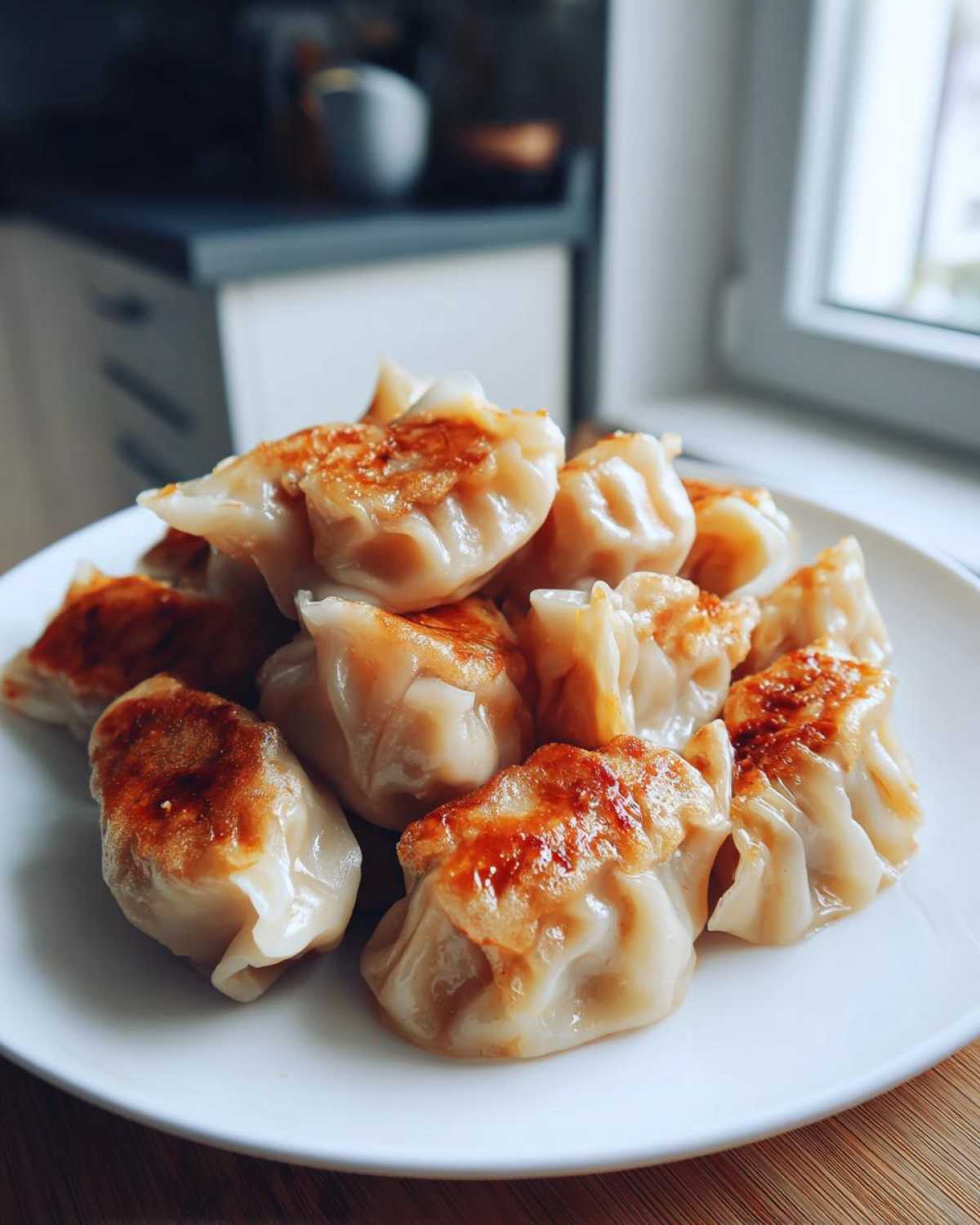
If you prefer that satisfying crunch, you must try the potsticker method! This technique is how we make restaurant-quality **Traditional Chinese Potstickers Recipe**—or *Guotie*!
Heat a tablespoon of oil in a non-stick skillet over medium-high heat. Line up your dumplings flat-side down. Let them sizzle for about two minutes until those bottoms are gloriously golden brown. Don’t walk away! Then, pour in maybe half a cup of water—be careful, it will hiss and steam like crazy! Cover it fast and let them steam for 6 to 8 minutes until all that water evaporates. Take the lid off, and let that bottom crisp up one last time. Perfection!
Steaming (Steamed Jiaozi Tutorial)
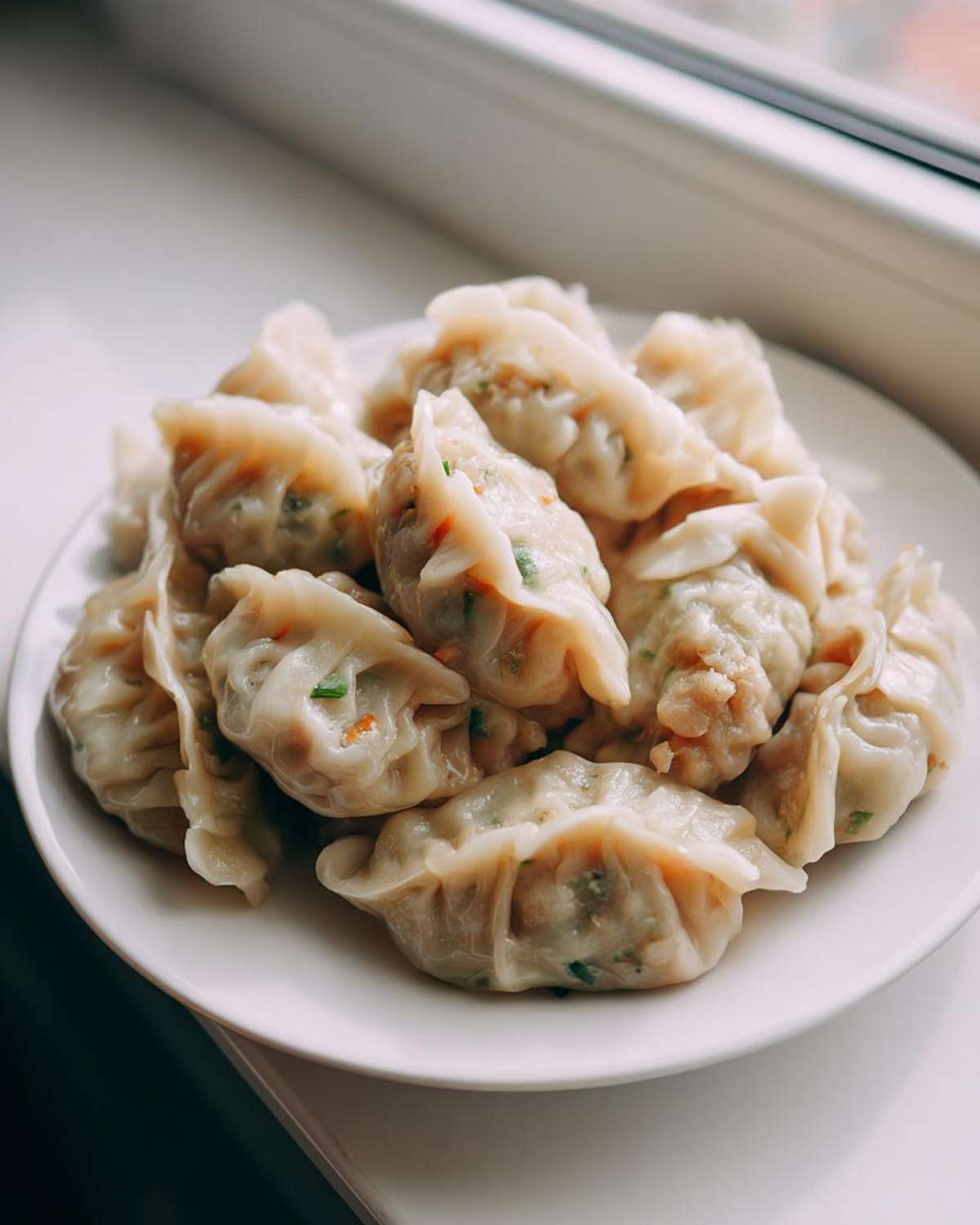
Steaming is arguably the healthiest and prettiest way to cook them! For the best **Steamed Jiaozi Tutorial**, you need to line your steamer basket. I use parchment paper with holes poked in it, but Liam swears by lining it with cabbage leaves—it looks gorgeous and keeps them from sticking. Arrange your dumplings so they aren’t touching; they swell up a bit! Steam them over rapidly boiling water for about 10 to 12 minutes. You’ll know they’re ready when the wrappers look slightly translucent and feel tender.
Tips for Success When Making Traditional Chinese Dumplings
Okay, now that you’ve mastered the technique, I want to share a few of the little survival tips we learned the hard way. Liam and I always joke that the difference between a *good* dumpling and an *amazing, juicy* dumpling is often just one neglected step! These secrets came directly from the notes we keep scribbled on our original recipe card that got sauce drops on it years ago. Pay attention, because these small details elevate your **Traditional Chinese Dumplings** from home cooking to “where did you order these?” territory.
Ingredient Prep Secrets for Juicy Traditional Chinese Dumplings
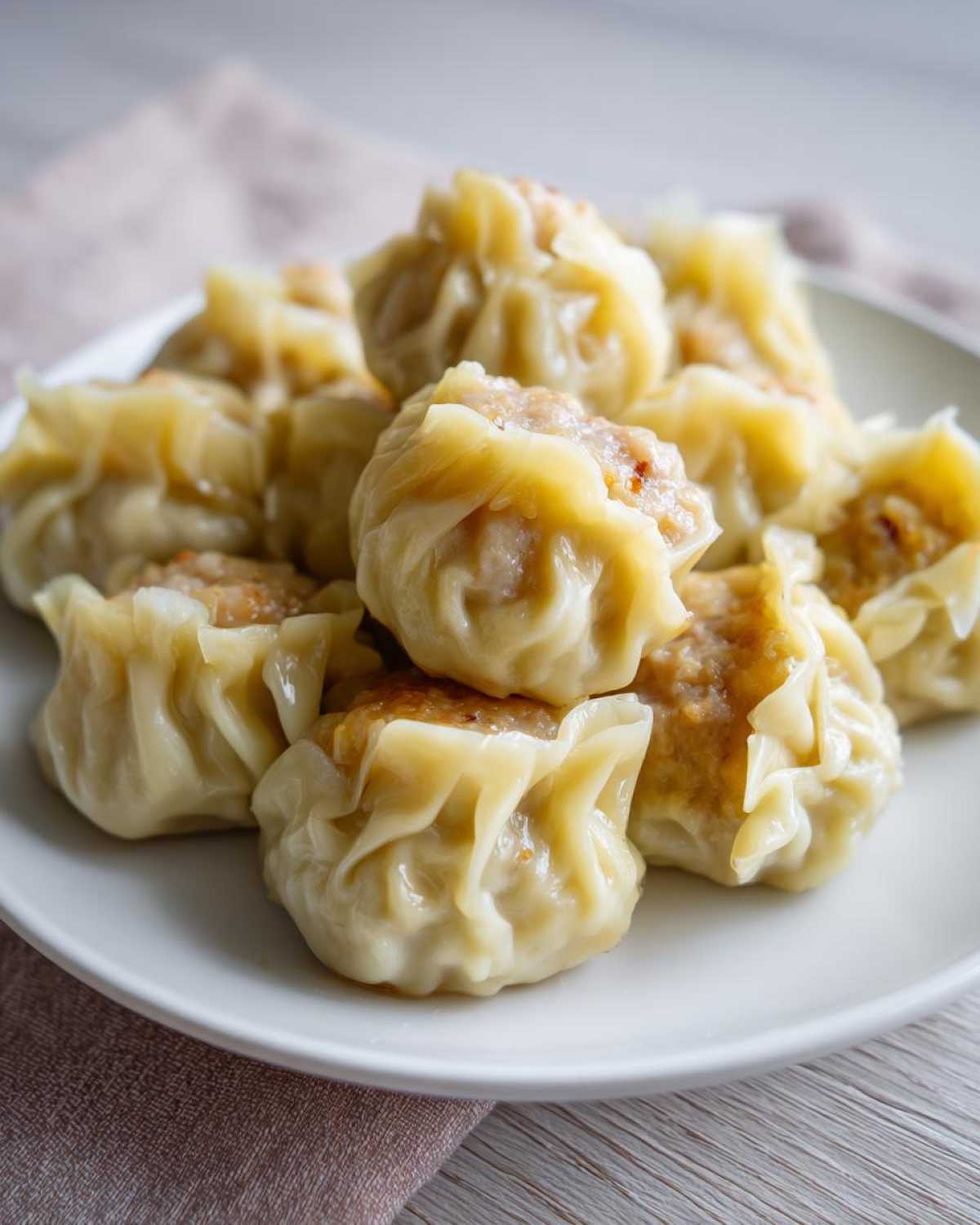
Remember how I stressed squeezing the cabbage? You have to treat that cabbage like a wet sponge you’re trying to wring out! Seriously, use a clean kitchen towel and squeeze until your hands cramp up. If that water stays in the filling, your dumplings will be soggy and weak. Also, don’t be afraid to experiment with the protein; if you swap out half the pork for ground shrimp, you get an incredible texture boost that makes the whole filling taste brighter!
Preventing Dough Dryness While You Assemble
This is where the rhythm comes in. You can’t roll 40 wrappers and then fill them all later—the dough will seize up and crack when you try to seal them. We roll just the batch we plan to fill immediately. Keep the rest of your dough rope covered tightly, or if your assembled, unfilled dumplings start looking matte and dry while you’re working through the plate, spritz them lightly with water or throw them under a slightly damp tea towel. You need moisture until they hit the heat!
Serving Suggestions for Your Traditional Chinese Dumplings
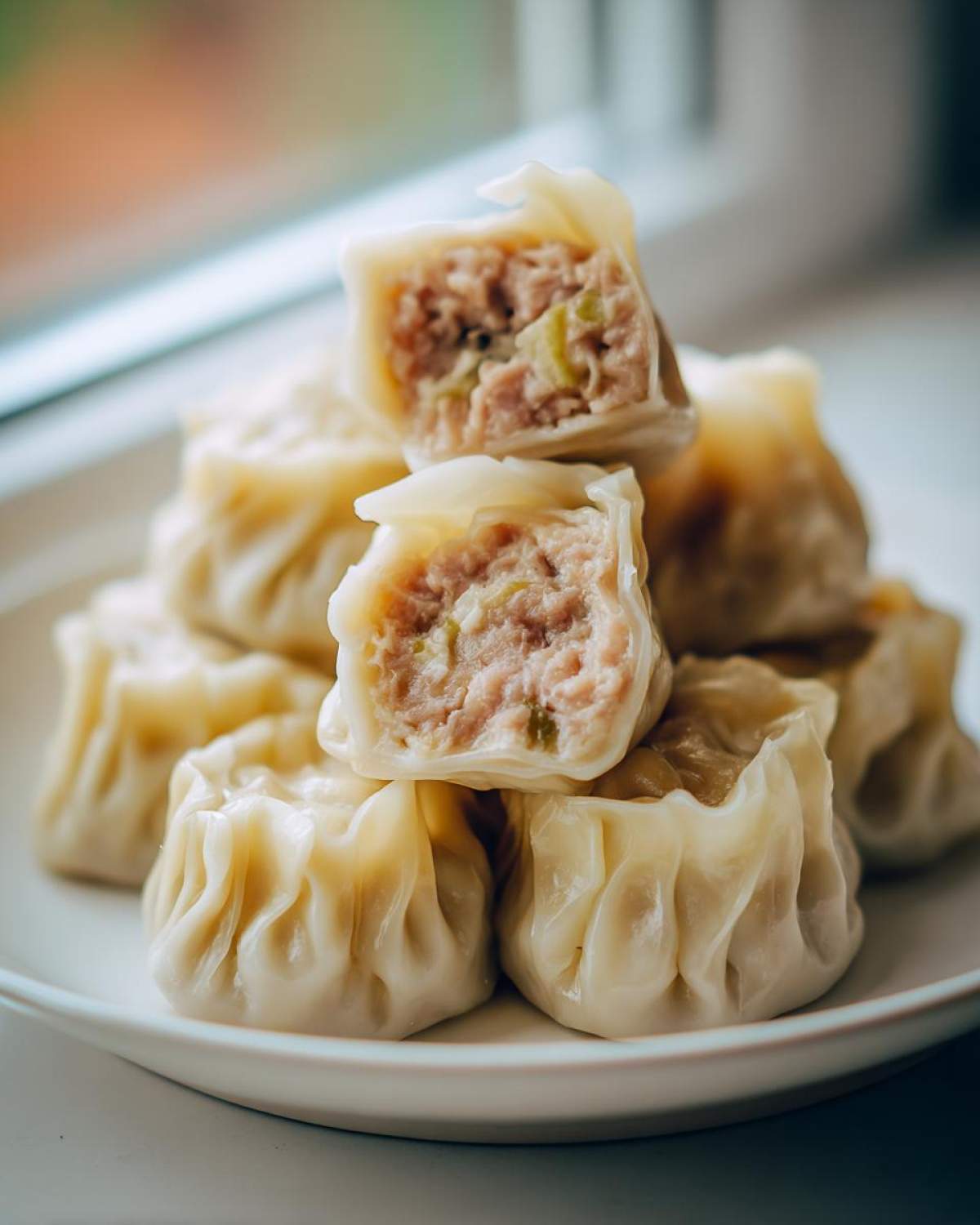
The moment they come out of the water, pan, or steamer, you have to serve them! These beauties wait for no one. Drizzle them generously with that killer dipping sauce we whipped up. They make an absolutely stunning centerpiece for any party, easily stepping up as the star of your Asian Appetizer Recipes lineup. Or, if you’re like us, just pile them high and call it dinner!
Storage and Reheating Instructions for Traditional Chinese Dumplings
So, what happens if you actually managed to have leftovers? Or maybe you’re a genius and made a giant batch ahead of time! That’s smart cooking, and we totally support it. How you store them matters a ton if you want them to taste just as good later. For uncooked dumplings, they need to be frozen immediately if you aren’t cooking them that day.
To freeze them perfectly, you can’t just dump them into one big bag—they’ll fuse together into one giant, delicious hockey puck! You need to lay the finished dumplings out on a baking sheet totally separated from each other. Pop that sheet in the freezer for about an hour until they are rock hard. That’s the *flash freeze* step. Once they’re solid, transfer them to a zip-top bag and pop them back in the freezer. They’ll keep for about three months this way!
When reheating, never use a microwave if you can help it; it just turns them rubbery. If they are frozen, throw them right into boiling water or steam them—no need to thaw them first! If you have cooked ones, just steam them for about three minutes to wake them back up. They’ll be perfect!
Frequently Asked Questions About Traditional Chinese Dumplings
We get asked so many questions when people first decide to tackle these beauties! It’s wonderful you’re reaching out to us here at Child Recipe. If you ever have more specific questions after trying this out, don’t hesitate to contact us!
Can I use store-bought wrappers instead of making them for Traditional Chinese Dumplings?
Look, if you are in a massive rush, yes, you certainly can! Store-bought wrappers work in a pinch. But here is the hard truth, Sara’s culinary wisdom coming through: they are never as good! The texture of the dough we make from scratch—the one addressed in the **How To Make Dumpling Wrappers From Scratch** section—is naturally chewier and handles the boiling or steaming process much better. The flavor of fresh dough just elevates the whole experience of your **Traditional Chinese Dumplings**!
What is the best way to freeze leftover Traditional Chinese Dumplings?
This is my (Liam’s) specialty! You must flash freeze them first. Lay your fully assembled, uncooked dumplings on a parchment-lined baking sheet so that no two dumplings are touching. Freeze them solid for about an hour. Once they are hard little nuggets, transfer them all into a heavy-duty freezer bag. This prevents them from sticking together forever. You can then boil or steam them straight from frozen!
My dumpling filling tastes bland. What seasoning ratio adjustments should I make?
Blandness usually means the seasonings didn’t totally meld, or you didn’t mix vigorously enough! For the **Classic Pork and Cabbage Dumpling Filling**, if you feel it needs a lift before you wrap everything, take a teaspoon of the raw filling and pan-fry it quickly. Taste it! Then, you can adjust. I often add an extra teaspoon of fresh ginger or a tiny dash more Shaoxing wine to deepen the flavor profile. Remember, the cooking process mellows flavors slightly, so season them a touch bolder than you might think!
Nutritional Estimate for Traditional Chinese Dumplings
Okay, I know we cook from the heart here at Child Recipe, not to count calories, but Liam insists that we should always give you a rough idea of what you’re enjoying! When you’re diving into a big plate of these incredible, homemade **Traditional Chinese Dumplings**, it’s good to have a ballpark idea. Remember, since we are talking about a recipe that uses ground pork and fresh vegetables, the numbers can wiggle around depending on the fat content of your meat or how much extra oil you use when pan-frying!
These estimates are calculated based on a serving size of about four dumplings, which is honestly just a starting point because who stops at four, right? For the official legal stuff and data privacy details, you can always check our privacy policy, but here’s the culinary snapshot:
- **Calories:** Around 250 per serving
- **Protein:** A solid 14 grams! Great fuel for all that folding work.
- **Fat:** Roughly 12 grams
- **Carbohydrates:** About 22 grams
Just a friendly reminder, just like I’m never perfect with my pleats, these are just estimates! If you use extra lean pork or load up on cabbage, the numbers shift. So enjoy them guilt-free, knowing you made them with love and fresh ingredients!
Share Your Culinary Performance
Well, that’s it! We’ve reached the end of our script for making the most incredible **Traditional Chinese Dumplings** you’ll ever taste. Now, the stage is yours! Liam and I absolutely thrive seeing your results. Did you go wild with the pleats? Did you perfectly crisp up those potsticker bottoms? Don’t keep all that deliciousness to yourself!
We want to see your culinary performance! Head over to our social pages and tag us with photos of your homemade jiaozi. Leave a star rating right here on the recipe card once you’ve tasted the results—it really helps other cooks jump into the fun. Remember, this whole journey is about finding that childlike joy in the kitchen. It doesn’t have to be serious, it just has to be shared. Go make some delicious, soulful food!
Print
Authentic Chinese Dumplings From Scratch: A Joyful Recipe
- Total Time: 60 min
- Yield: About 40 dumplings
- Diet: Low Lactose
Description
Learn how to make restaurant-quality traditional Chinese dumplings, including wrappers, a classic pork and cabbage filling, and three cooking methods.
Ingredients
- For the Dough: 2 cups all-purpose flour, 1/2 cup hot water (near boiling), 1/2 cup cold water
- For the Filling (Classic Pork and Cabbage): 1 lb ground pork, 3 cups finely chopped napa cabbage (squeezed dry), 1/4 cup chopped scallions, 2 tablespoons soy sauce, 1 tablespoon Shaoxing wine, 1 teaspoon sesame oil, 1 teaspoon grated fresh ginger, 1/2 teaspoon white pepper, 1/2 teaspoon salt
- For the Dipping Sauce: 1/4 cup light soy sauce, 2 tablespoons Chinese black vinegar, 1 teaspoon sesame oil, 1 teaspoon chili oil (optional), 1 teaspoon finely minced fresh ginger
Instructions
- Make the Dough: Place flour in a large bowl. Slowly pour in the hot water while mixing with chopsticks until shaggy. Gradually add the cold water until a rough dough forms. Knead on a lightly floured surface for 8-10 minutes until smooth. Cover the dough with plastic wrap and let it rest for at least 30 minutes.
- Prepare the Filling: In a large bowl, combine the ground pork, squeezed cabbage, scallions, soy sauce, Shaoxing wine, sesame oil, ginger, white pepper, and salt. Mix vigorously in one direction until the mixture becomes sticky and emulsified. This mixing technique is key for juicy dumplings.
- Shape the Wrappers: Divide the rested dough into four sections. Roll each section into a long rope (about 1 inch thick). Cut the rope into 1/2-inch pieces. Flatten each piece with your palm, then use a small rolling pin to roll it into a thin, round wrapper, keeping the edges slightly thinner than the center.
- Assemble the Dumplings: Place about 1 tablespoon of filling in the center of a wrapper. Moisten the edges lightly with water. Fold the wrapper in half to create a half-moon shape. Create small pleats along one edge, pressing firmly to seal the dumpling completely.
- Cook the Dumplings (Choose One Method):
- Boiling (Shui Jiao): Bring a large pot of water to a rolling boil. Gently drop the dumplings in, stirring gently so they do not stick. When the water returns to a boil, add 1/2 cup of cold water. Repeat this process two more times. The dumplings are done when they float and look plump (about 5-7 minutes total).
- Pan-Frying (Guotie/Potstickers): Heat 1 tablespoon of oil in a non-stick skillet over medium-high heat. Arrange dumplings flat-side down in the pan. Fry until the bottoms are golden brown (about 2 minutes). Add 1/2 cup of water to the pan, cover immediately, and steam for 6-8 minutes, or until the water evaporates and the filling is cooked through. Remove the lid and let the bottoms crisp up again briefly.
- Steaming (Zheng Jiao): Line a steamer basket with parchment paper or cabbage leaves. Arrange dumplings without touching. Steam over boiling water for 10-12 minutes until the wrappers are translucent and the filling is cooked.
- Prepare the Dipping Sauce: Whisk together all dipping sauce ingredients in a small bowl. Serve immediately with your freshly made Chinese dumplings.
Notes
- For the best texture, make sure your cabbage is very dry before mixing it into the filling. Squeeze out as much water as possible.
- If you are making wrappers ahead of time, keep them covered with a damp cloth to prevent drying.
- For an extra flavorful filling, substitute half the ground pork with ground shrimp.
- Prep Time: 45 min
- Cook Time: 15 min
- Category: Appetizer
- Method: Boiling, Steaming, Pan-Frying
- Cuisine: Chinese
Nutrition
- Serving Size: 4 dumplings
- Calories: 250
- Sugar: 2
- Sodium: 450
- Fat: 12
- Saturated Fat: 4
- Unsaturated Fat: 8
- Trans Fat: 0
- Carbohydrates: 22
- Fiber: 1
- Protein: 14
- Cholesterol: 50