

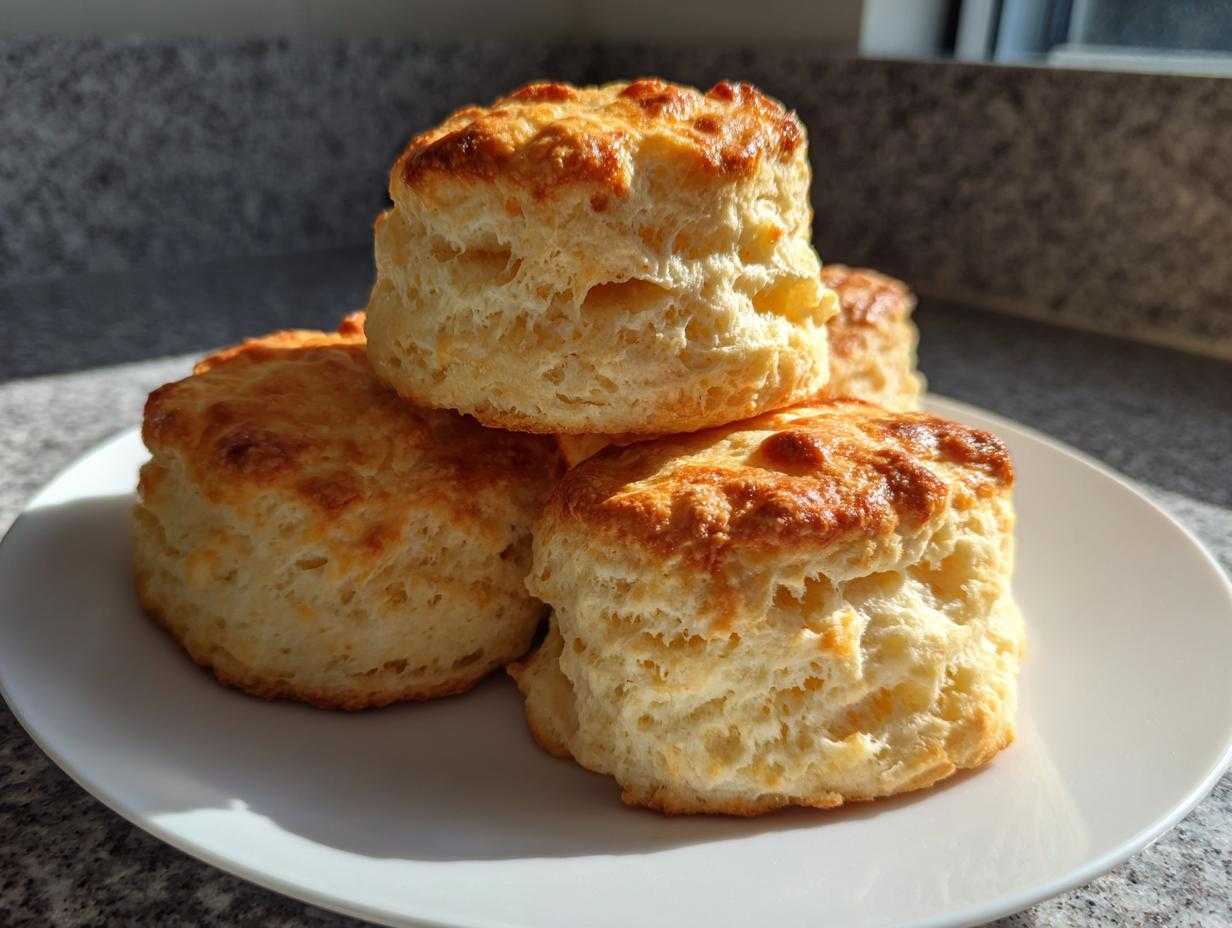
Oh my gosh, get ready because we are finally tackling the world of scones! I swear, I used to think those amazing, towering scones they sold in fancy bakeries were completely out of reach for a home cook. Mine always came out flat, a little dry, maybe even tasting like a hockey puck—I know you’ve been there!
But after about a dozen ruined batches (yes, really, don’t judge!), I finally cracked the code on keeping everything cold and handling the dough just right. This recipe is what I now call the best scones recipe because it reliably gives you that stunning, fluffy height and a beautifully tender crumb every single time. Seriously, once you master the cold butter trick, you’ll never look back!
Why These Are the Best Scones Recipe for Fluffy Buttermilk Scones
What sets these buttermilk scones apart from the flat disks you sometimes end up with? It’s all about respect for the ingredients and a little bit of kitchen science! We’re aiming for those incredible, tall bakery style scones that look like they jumped right out of an afternoon tea tray. The secret weapon here, besides the cold butter, is actually the buttermilk. That acidity tenderizes the flour just enough right at the start, which is crucial for that soft, melt-in-your-mouth texture we are chasing.
If you want a no-fail approach, stick exactly to the chilling times. You can even glance over at how I handle similar baking projects, like folding batter for my soda bread muffins, for more ideas on gentleness! See how patience works in other quick breads. Trust me, this method guarantees you won’t end up with dry, tough results.

The Secret to Fluffy Scones: Cold Ingredients
Listen up, this is non-negotiable for fluffy results! When you cut that cold butter into the flour, you need visible, pea-sized chunks left. When those chunks hit the hot oven, they melt instantly, creating little pockets of steam. That steam is what forces the scone batter upward, giving you height!
The buttermilk needs to be ice cold too, for the very same reason. Cold = Steam = Tall scones. Simple physics, really, but it’s the key to mastering how to make perfect scones.
Techniques for Crumbly Light Scones
Once that cold liquid hits the flour mixture, stop mixing! I mean it—stop before you think you should. I know we want everything combined for our classic plain scones recipe, but overmixing develops gluten, and gluten means tough, chewy scones.
When you pat the dough out, be gentle. And when you use your round cutter for the shapes? Don’t twist it around! Twisting seals the edges shut, preventing the scone from rising evenly. Just press the cutter straight down firmly and lift it straight up. That little bit of care makes all the difference between a delicate, crumbly light scone and pavement!
Ingredients for Classic Plain Scones Recipe
Okay, let’s talk about what exactly you need for this foolproof batch of scones. Remember, clarity in this step equals perfection later! We are using just the basics here, which is why it’s such a great foundation for future variations.
For the dry goods, grab two cups of regular all-purpose flour, about a quarter cup of plain white sugar because we want the butter flavor to shine, a tablespoon of baking powder to give us lift, and just half a teaspoon of salt to balance everything out.
Now for the magic: you absolutely need half a cup, which is a full stick, of unsalted butter cut into small cubes, and it *must* be kept very cold. Finally, you need three-quarters of a cup of that icy cold buttermilk. We’ll save the egg and milk for the wash right before baking.
Ingredient Notes and Substitutions for Scones
I can’t stress this enough: the buttermilk needs to be cold, like, straight-from-the-fridge cold. If you don’t have buttermilk, though, don’t panic! You can make a quick substitute by adding a tablespoon of lemon juice or white vinegar to half a cup of regular milk and letting it sit for five minutes. It needs that little bit of acid to react with the baking powder.
Also, make sure that butter stays frigid! If it starts getting soft while you’re working the flour, just toss the bowl into the freezer for five minutes. That five-minute chill is the difference between flaky layers and a dense brick when making your easy homemade scones.
How to Prepare Perfect Scones: Step-by-Step Instructions
Alright, deep breath! This is where we put all that cold-ingredient theory into action. If you’ve been following along, your oven should already be screaming hot—425°F (220°C) is the temperature that wakes up that baking powder fast! Line a sheet pan with parchment paper; we want zero sticking issues later.
First, make sure your dry ingredients—the flour, sugar, powder, and salt—are whisked together. Then it’s time for the butter. You’ll use a pastry blender or your fingers to work that cold butter in until it looks like coarse crumbs. I look for plenty of those pea-sized pieces because that’s our height insurance!
Once the butter is mixed, make a little dip in the center, pour in all that cold buttermilk at once—don’t hesitate! Use a fork to stir it together just until it forms a shaggy mess. That’s it! Seriously, as soon as the flour dampens, walk away from the bowl. You can check out how I handle mixing doughs gently over at my naan bread post for inspiration! See how minimal mixing creates soft doughs here.
Mixing the Dough for Tall Bakery Style Scones
The absolute most important part of this instruction set is stopping before you feel like you should. Those butter chunks you see? They need to survive. You are just encouraging the liquid and dry ingredients to meet, not trying to knead bread dough here!
When you turn the shaggy bits onto your floured counter, handle that dough like it’s spun glass. Pat it gently into a circle or rectangle that’s about three-quarters of an inch thick. This thickness is key to getting those dramatic, tall bakery style scones.
Shaping and Baking Your Scones
Now, cut your shapes out. If you’re using a round cutter, push straight down and pull straight up—no wiggling or twisting allowed so we don’t seal those rise-pockets we created!
Place them on the sheet where they are just barely touching. That little bit of contact actually helps them push upward instead of spreading out. Before they go into the heat, whisk that egg and milk together for the wash and brush the tops lightly. This gives you that beautiful, deep golden color we want for scones for afternoon tea. Bake them hard at 425°F for about 12 to 15 minutes until they are golden and cooked through.
Serving Suggestions for Your Scones for Afternoon Tea
The moment of truth! You pulled those gorgeous, tall scones out of the oven, and now you have to decide how to serve them. If you are going totally traditional for scones for afternoon tea, you simply can’t beat a thick layer of clotted cream and your favorite fruit jam. Honestly, sometimes I keep it even simpler with just a smear of tart lemon curd—the sharpness cuts through the richness beautifully.
But don’t feel limited! These classic buttermilk scones are also fantastic warm with a drizzle of maple syrup if I’m serving them for a weekend brunch. For more flavor combinations, check out my cranberry orange muffins for inspiration; you can adapt that zestiness into these scones too! Find fruit flavor ideas you can incorporate here.
Simple Scone Glaze Recipe Ideas
If you want something a little fancier than just serving them plain, a super quick drizzle really makes them pop. For a simple glaze, just whisk about half a cup of powdered sugar with a teaspoon of milk or fresh lemon juice until it drizzles nicely. If you use lemon juice, you get a wonderful little crackle when it sets!
Variations: Flavor Ideas Beyond Classic Scones
While this basic recipe makes the most wonderful, tender scones imaginable, it’s also the perfect blank canvas! If you’re looking beyond the classic plain preparation, let’s talk about tossing in extras. You can easily transform these into things like a holiday treat or a flavor bomb for brunch! Don’t feel guilty about adding mix-ins; they still bake up beautifully as long as you keep that butter cold.
My favorite way to change things up is leaning into those warm spices. If you want a real treat reminiscent of those incredible cinnamon bun scones, mix two teaspoons of cinnamon and an extra tablespoon of brown sugar into your dry ingredients. It’s just heavenly.
For something bright and zesty, I often look at my cranberry orange muffin recipe for inspiration; you can swap out a bit of the sugar for fresh orange zest and fold in half a cup of dried cranberries or even white chocolate chips. See how citrus and spice play well together. Even without a fancy glaze, these flavored scones are absolutely sensational on their own!
Storage and Reheating Instructions for Scones
Even the best scones rarely last long in my house, but when they do, storage is important! If you have leftovers, pop them into an airtight container at room temperature. They tend to dry out fast, so keep them off the counter if you live somewhere humid or if it’s going to be more than a day before you eat them.
If they accidentally go a little stale—oops!—don’t throw them out! You can revive them quickly. Just wrap each cooled scone individually in a tiny bit of foil and heat it in a low oven (about 300°F) for about five minutes. That warm-up brings that buttery flakiness right back. Seriously, a couple of minutes and they’ll taste freshly baked.
Frequently Asked Questions About Making Scones
I get so many questions about making scones, and honestly, most issues boil down to just a couple of things. People want that quick scone recipe that works every time, but sometimes things go sideways, so let’s clear those up right now!
Can I make these without buttermilk? You certainly can, but your texture will change. If you use regular milk, you miss out on that key acidic reaction that helps make them light and tender. As I mentioned before, if you’re in a pinch, mix a teaspoon of vinegar or lemon juice into regular milk and let it sit for five minutes—that’s my go-to trick for a no fail scone recipe.
Another common question is about speed: can I skip chilling the butter? Oh, please, don’t! If you use room temperature butter, you won’t get the necessary steam pockets. Your scones will spread out instead of rising up tall, resulting in something closer to a flat cookie than a beautiful breakfast treat! For handling dough gently, think about how I treat my naan dough; it needs barely any pressure! See minimal handling ideas from my naan recipe.
Troubleshooting Common Scones Issues
If your final product is tough, dry, or feels like you could use it as a doorstop, you overmixed the dough! That’s the number one mistake people make when striving for crumbly light scones. Once that buttermilk hits the flour, you only mix until you can see the dry streaks disappear. It should look messy and underdeveloped, not smooth. Trust me, it comes together enough in the oven!
Estimated Nutritional Data for Buttermilk Scones
If you are tracking things, here are the rough numbers for one of these gorgeous treats. Please remember these are just estimates based on my exact recipe measurements, and they can shift based on what brand of butter or size of egg you use. Real life means real variation, right?
- Serving Size: 1 scone
- Calories: 280
- Sugar: 6g
- Fat: 14g (Saturated Fat: 9g)
- Carbohydrates: 33g
- Protein: 6g
Share Your Perfect Scones Experience
Now that you have my absolute favorite, fool-proof method for achieving those fluffy, tender scones, I want to hear how it went! Did you stick to the classic plain version, or did you sneak in some orange zest?
Please rate this recipe below—I truly believe this is the best way to make them from scratch. And if you’ve got a photo, I’d love to see your beautiful results! Feel free to send me a note or question anytime via my site contact form!
Estimated Nutritional Data for Buttermilk Scones
If you are tracking things, here are the rough numbers for one of these gorgeous treats. Please remember these are just estimates based on my exact recipe measurements, and they can shift based on what brand of butter or size of egg you use. Real life means real variation, right?
- Serving Size: 1 scone
- Calories: 280
- Sugar: 6g
- Fat: 14g (Saturated Fat: 9g)
- Carbohydrates: 33g
- Protein: 6g
Share Your Perfect Scones Experience
Now that you have my absolute favorite, fool-proof method for achieving those fluffy, tender scones, I want to hear how it went! Did you stick to the classic plain version, or did you sneak in some orange zest?
Grab a cup of tea, slather on some jam, and let me know! Please rate this recipe below—I truly believe this is the best way to make them from scratch. And if you’ve got a photo, I’d love to see your beautiful results! Feel free to send me a note or question anytime via my site contact form!
Print
Perfect Fluffy Buttermilk Scones
- Total Time: 30 min
- Yield: 8 scones 1x
- Diet: Vegetarian
Description
A straightforward recipe for classic buttermilk scones that results in a tall, tender, and light crumb, suitable for afternoon tea or breakfast.
Ingredients
- 2 cups all-purpose flour
- 1/4 cup granulated sugar
- 1 tablespoon baking powder
- 1/2 teaspoon salt
- 1/2 cup (1 stick) cold unsalted butter, cut into small cubes
- 3/4 cup cold buttermilk
- 1 large egg, lightly beaten (for egg wash)
- 1 tablespoon milk or cream (for egg wash)
Instructions
- Preheat your oven to 425°F (220°C). Line a baking sheet with parchment paper.
- In a large bowl, whisk together the flour, sugar, baking powder, and salt.
- Add the cold butter cubes to the flour mixture. Use a pastry blender or your fingertips to cut the butter into the flour until the mixture resembles coarse crumbs with some pea-sized pieces of butter remaining. This step is key for flakiness.
- Make a well in the center of the dry ingredients. Pour in the cold buttermilk all at once.
- Use a fork to mix the ingredients just until they come together into a shaggy dough. Do not overmix.
- Turn the dough out onto a lightly floured surface. Gently pat the dough into a 3/4-inch thick circle or rectangle.
- Cut the dough into 8 wedges or use a 2-inch round cutter to cut out shapes. Place the scones on the prepared baking sheet, ensuring they touch slightly if you want taller sides.
- In a small bowl, whisk together the egg and milk for the wash. Brush the tops of the scones lightly with the egg wash.
- Bake for 12 to 15 minutes, or until the tops are golden brown and a toothpick inserted into the center comes out clean.
- Transfer the scones to a wire rack to cool slightly before serving.
Notes
- Keep all wet and dry ingredients very cold before mixing. Cold butter creates steam pockets, resulting in a taller scone.
- For the tallest scones, avoid twisting the biscuit cutter; press straight down and lift straight up.
- If you prefer a sweeter scone, you can add 1/4 cup of dried cranberries or orange zest to the dry ingredients.
- Prep Time: 15 min
- Cook Time: 15 min
- Category: Breakfast
- Method: Baking
- Cuisine: British
Nutrition
- Serving Size: 1 scone
- Calories: 280
- Sugar: 6
- Sodium: 350
- Fat: 14
- Saturated Fat: 9
- Unsaturated Fat: 5
- Trans Fat: 0
- Carbohydrates: 33
- Fiber: 1
- Protein: 6
- Cholesterol: 55